Welcome to our online store!
0%

Table of Contents

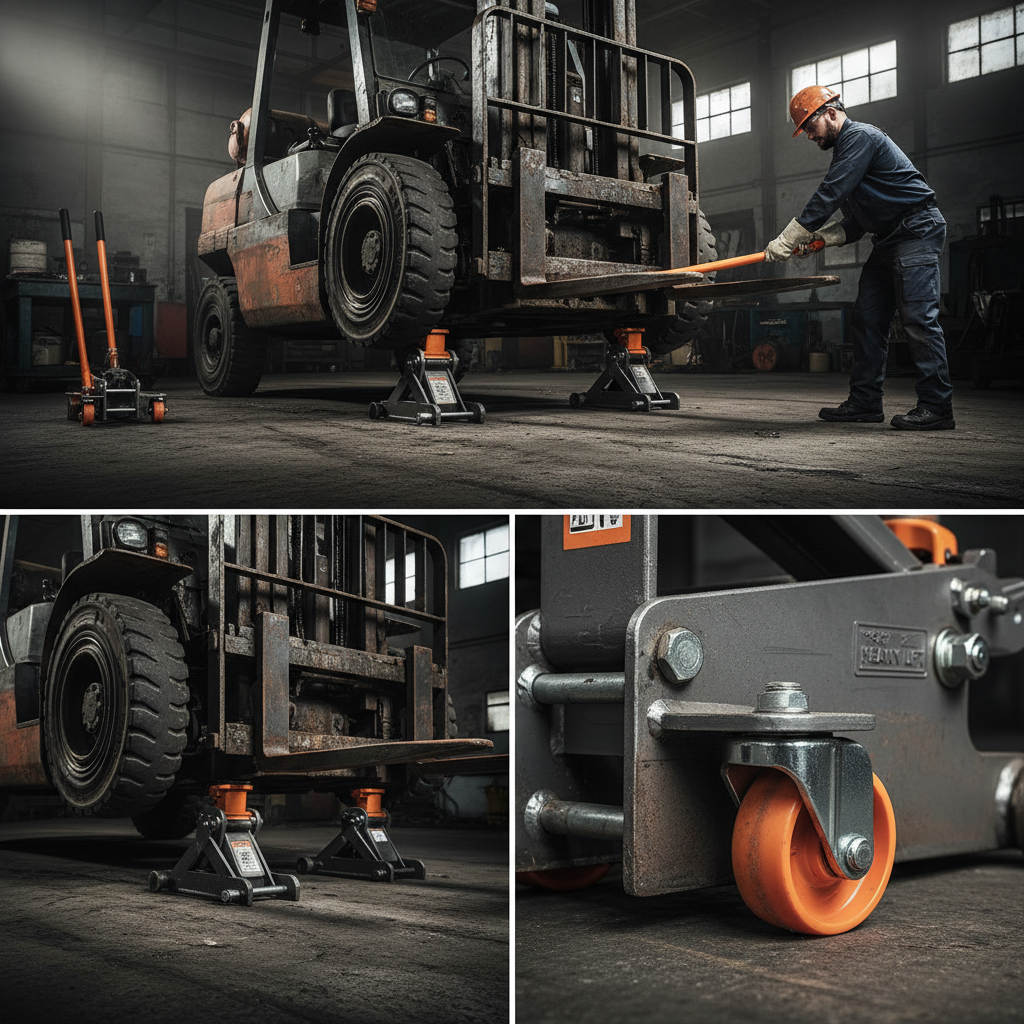
Selecting the right car jack for truck is not merely about purchasing a tool; it is about ensuring the safety and efficiency of heavy-duty vehicle maintenance. In the automotive world, the sheer mass of trucks demands equipment that exceeds standard consumer grade specifications, focusing on load capacity and structural stability.

Across the global logistics and transportation sectors, the reliability of lifting equipment directly impacts operational uptime. Whether it is a fleet manager overseeing hundreds of vehicles or a professional mechanic in a high-pressure shop, having a high-performance car jack for truck prevents costly delays and minimizes the risk of workplace accidents.

Understanding the nuances of hydraulic systems, load ratings, and safety mechanisms allows users to optimize their workflow. This guide provides an in-depth exploration of the technical specifications and practical applications of the modern car jack for truck to help you make an informed investment.
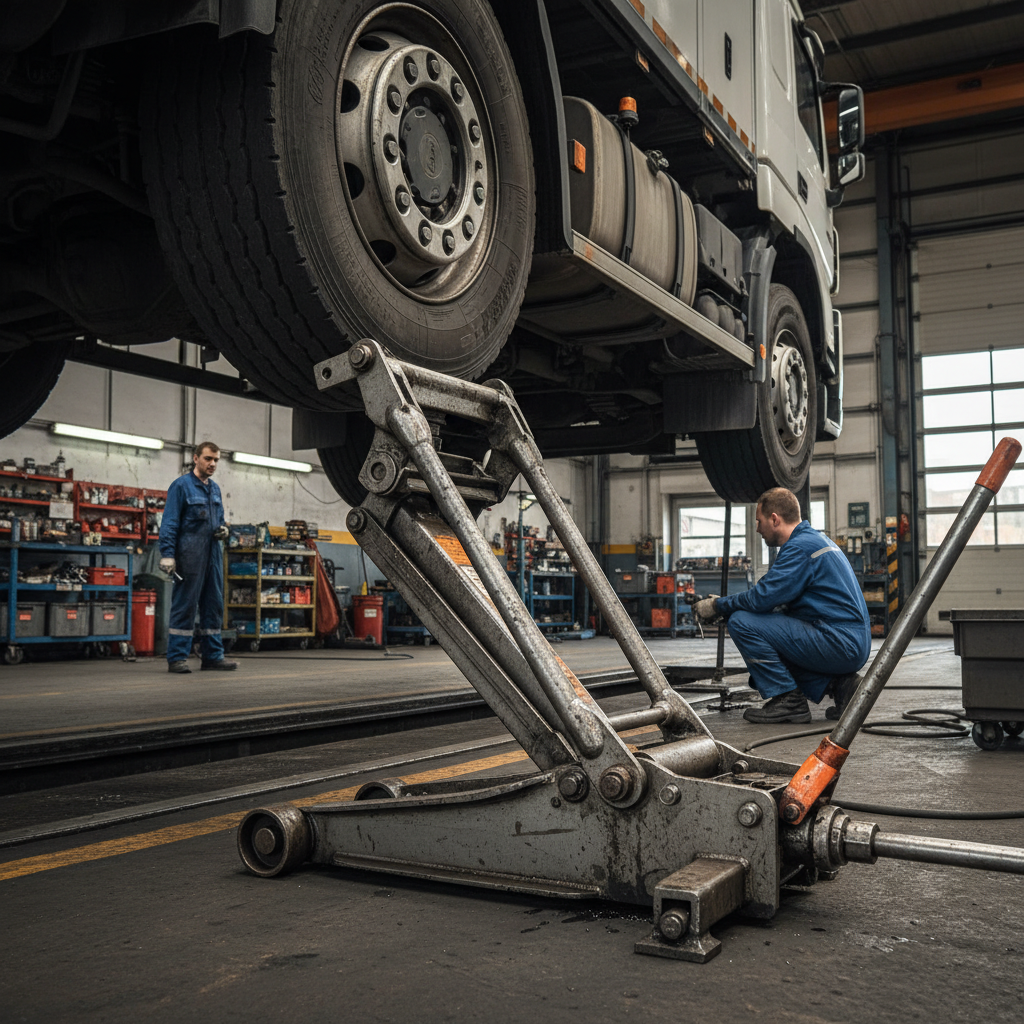
Professional Car Jack for Truck Heavy Duty Lifting Guide

Global Market Demand for Heavy-Duty Lifting Solutions
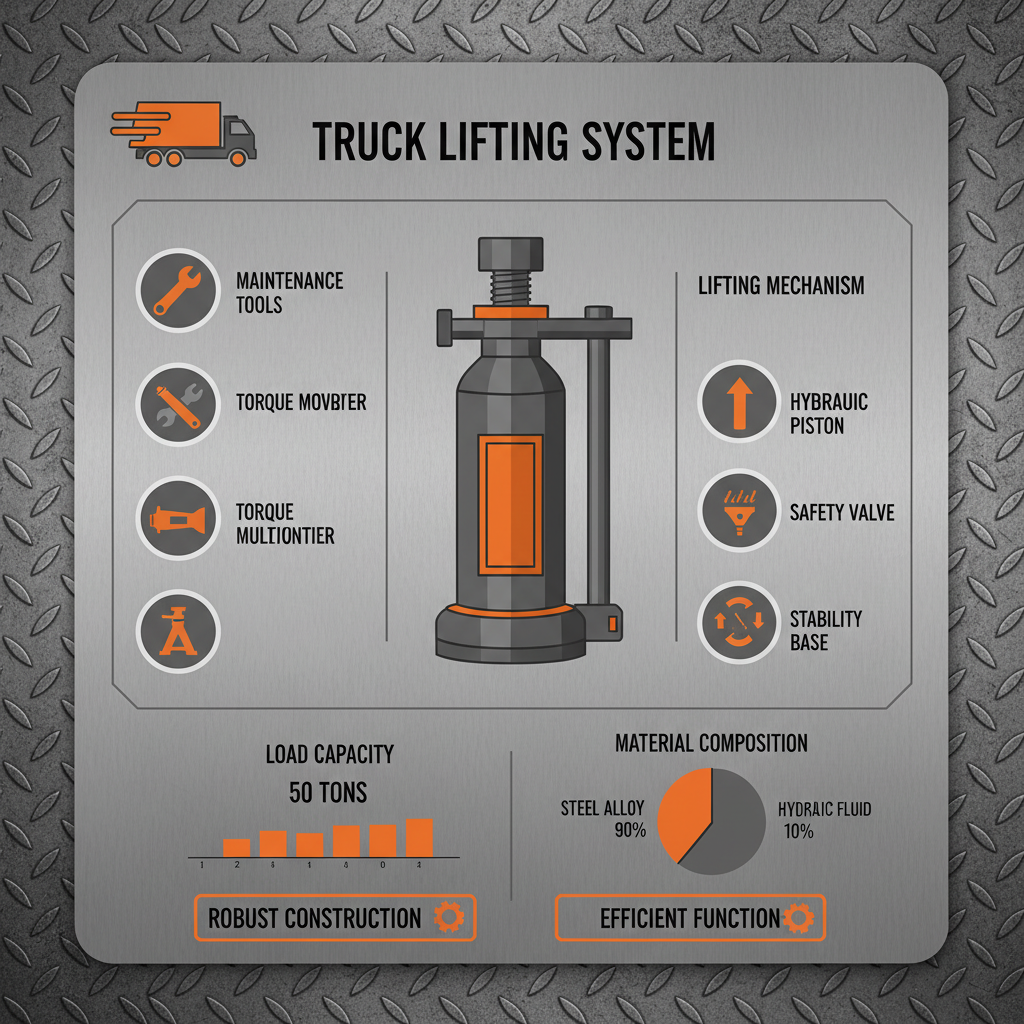
Professional Car Jack for Truck Heavy Duty Lifting Guide

The global surge in e-commerce and logistics has led to an unprecedented increase in truck traffic and fleet sizes. According to ISO standards for automotive tools, the demand for a specialized car jack for truck has grown as vehicles become heavier due to the integration of electric batteries and reinforced chassis.

This growth presents a significant challenge: the "lifting gap." Traditional jacks often lack the tonnage required for modern semi-trucks or heavy-duty pickups, leading to equipment failure. Consequently, the industry is shifting toward reinforced hydraulic systems that can handle extreme loads while maintaining a compact footprint for portable use.

Defining the Modern Car Jack for Truck

In simple terms, a car jack for truck is a mechanical or hydraulic device designed to lift significantly heavier loads than a standard passenger car jack. While a typical car jack might handle 2 tons, a truck-specific version is engineered to lift anywhere from 5 to 50 tons, depending on whether it is intended for light commercial vehicles or heavy industrial haulers.

Beyond mere lifting power, these tools are essential for humanitarian and industrial needs. In remote mining zones or disaster relief areas, where professional garages are non-existent, a robust car jack for truck allows for emergency tire changes and undercarriage repairs, ensuring that critical supply chains remain operational.

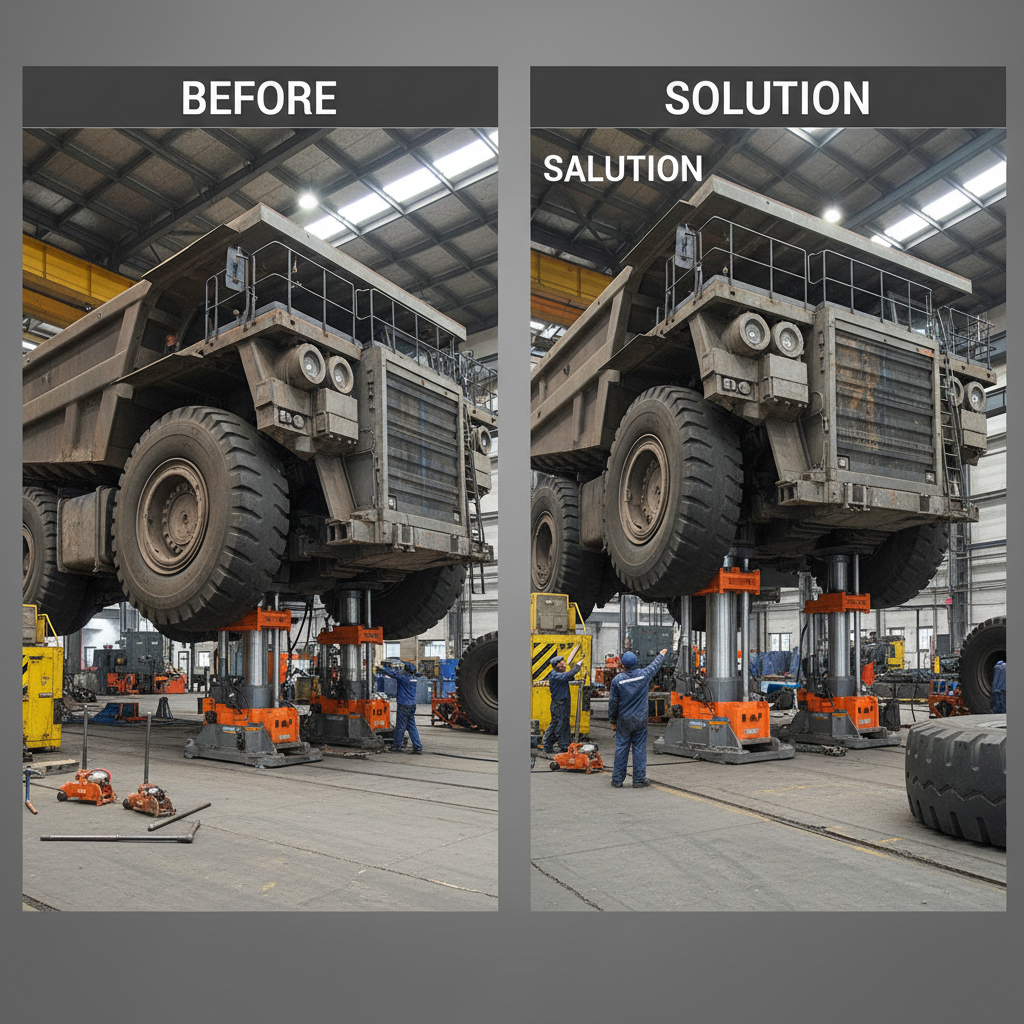
The connection to modern industry lies in the pursuit of "zero-downtime." By utilizing a professional-grade car jack for truck, maintenance teams can perform rapid interventions, reducing the time a vehicle is off the road and increasing the overall ROI of the fleet.

Core Components of High-Capacity Jacks

The durability of a car jack for truck begins with its chassis material. High-grade alloy steel is used to prevent bending or warping under extreme pressure, ensuring that the tool remains stable even when lifting several thousand kilograms of vehicle weight.

Scalability in these tools is achieved through advanced hydraulic cylinder design. A premium car jack for truck utilizes a dual-piston system or a high-pressure valve arrangement that allows the user to lift heavy loads with minimal physical effort, bridging the gap between manual labor and industrial automation.

Cost efficiency is not about the lowest purchase price, but the lowest cost per lift over the tool's lifespan. By incorporating wear-resistant seals and corrosion-proof coatings, a high-quality car jack for truck reduces the need for frequent replacements and expensive hydraulic fluid leaks.

Performance Metrics and Efficiency Factors

Evaluating the effectiveness of a car jack for truck requires looking at the lift speed versus the effort exerted. Modern hydraulic designs have optimized the flow rate, meaning that while the load is immense, the time taken to reach the desired height is significantly reduced, boosting shop productivity.

Another critical metric is the "stability ratio," which measures the jack's resistance to lateral movement. A specialized car jack for truck must maintain a perfectly vertical lift path to avoid the catastrophic risk of the vehicle sliding off the saddle during a tire swap or brake repair.

Comparative Efficiency of Car Jack for Truck Types


Industrial Applications and Use Cases

In real-world contexts, the car jack for truck is indispensable in heavy-duty workshops across North America and Europe, where long-haul trucking is the backbone of the economy. Professional garages use these jacks not only for tires but also for supporting heavy axles during suspension overhauls.

Beyond the shop, these tools are vital in remote industrial zones, such as oil fields in the Middle East or mining sites in Australia. In these environments, a breakdown can cost thousands of dollars per hour; having a portable, high-tonnage car jack for truck allows on-site technicians to resolve issues without waiting for a tow truck.

Long-Term Value and Safety Advantages

The tangible benefit of investing in a premium car jack for truck is the reduction of liability. Safety is the most critical emotional and logical angle; the peace of mind knowing that a tool will not collapse under 10 tons of steel is priceless for any technician.

From a sustainability perspective, high-quality jacks are built to last decades, reducing the environmental impact caused by the disposal of cheap, disposable equipment. This reliability fosters trust between the service provider and the client, as the work is performed using professional, safe equipment.

Furthermore, the use of a dedicated car jack for truck prevents damage to the vehicle's chassis. Lower-quality tools often lack the proper saddle width, causing "pinch points" that can dent or warp the frame of an expensive commercial truck.

Future Trends in Truck Lifting Technology

The future of the car jack for truck is moving toward automation and "smart" hydraulics. We are seeing the emergence of IoT-integrated jacks that can sense the weight of the load and alert the operator via a smartphone app if the vehicle is not balanced or if the load exceeds the safety limit.

Material science is also playing a role, with the introduction of carbon-reinforced alloys that offer the same strength as steel but at a fraction of the weight. This makes the car jack for truck far more portable, allowing a single operator to deploy it in emergency roadside situations more efficiently.

Additionally, the shift toward green energy is prompting the development of electric-hydraulic hybrids. These systems eliminate the need for manual pumping and reduce the reliance on fossil-fuel-powered compressors, aligning the automotive tool industry with global carbon-reduction goals.

Comparison of Heavy-Duty Lifting Solutions by Application

Jack Type Ideal Load Range Deployment Speed Durability Score
Heavy-Duty Bottle Jack 10 - 50 Tons Moderate 9/10
Professional Floor Jack 3 - 15 Tons Fast 8/10
Air-Hydraulic Jack 20 - 100 Tons Very Fast 10/10
Electric Truck Lift 5 - 20 Tons Fast 7/10
Reinforced Scissor Jack 2 - 5 Tons Slow 6/10
Gantry-style Jack 15 - 60 Tons Moderate 9/10

FAQS

What is the difference between a car jack and a car jack for truck?

The primary difference is the load-bearing capacity and structural reinforcement. A standard car jack is designed for lightweight passenger vehicles (usually up to 2-3 tons). In contrast, a car jack for truck is engineered with high-strength alloy steel and larger hydraulic cylinders to safely lift commercial vehicles, which can weigh significantly more, ensuring the tool does not buckle under the extreme pressure.

How do I determine the correct tonnage for my truck jack?

You should always choose a jack with a capacity that exceeds the heaviest corner of your vehicle. For example, if your truck's heaviest axle load is 5 tons, a 10-ton car jack for truck is recommended. This "safety buffer" prevents the jack from operating at its absolute limit, which extends the life of the seals and provides a crucial margin of safety during the lift.

Are hydraulic jacks better than mechanical jacks for trucks?

Yes, for trucks, hydraulic systems are vastly superior. They allow the user to lift multi-ton loads with minimal physical effort compared to the grueling cranking required by mechanical scissor jacks. Modern hydraulic car jack for truck options also offer more precise height control and better stability, which is essential when working under heavy machinery.

Can I use a car jack for truck on a standard SUV?

Technically, yes, but it may be impractical. Because a truck jack has a higher "minimum lift height" (the height of the jack when fully collapsed), it might be too tall to fit under the chassis of a low-profile SUV. Always check the minimum clearance of your vehicle against the closed height of the jack to ensure it can actually reach the lifting point.

How often should I maintain my heavy-duty hydraulic jack?

For professional use, we recommend a quarterly inspection. This includes checking the hydraulic fluid levels, inspecting the seals for leaks, and lubricating moving parts. Ensuring your car jack for truck is well-maintained prevents "drift" (where the jack slowly lowers on its own), which is a critical safety hazard in a workshop environment.

Is it safe to work under a truck supported only by a jack?

Absolutely not. A car jack for truck is a lifting device, not a support device. Once the vehicle is raised to the desired height, you must immediately place it on certified jack stands. Hydraulic jacks can fail due to seal rupture; jack stands provide the mechanical lock necessary to ensure the vehicle cannot fall on the technician.

Conclusion

Investing in a professional-grade car jack for truck is a fundamental requirement for any serious automotive operation. By focusing on the intersection of high load capacity, structural durability, and operational safety, fleet managers and technicians can drastically reduce downtime and eliminate avoidable workplace risks. From the initial choice of alloy steel to the implementation of smart hydraulic systems, the right equipment transforms a dangerous task into a streamlined process.

As the automotive industry evolves toward heavier electric trucks and more automated workshops, the tools we use must evolve in tandem. We encourage all professionals to audit their current lifting equipment and upgrade to tools that meet modern ISO and safety standards. For a comprehensive selection of professional lifting and shop equipment, visit our website: www.lgautorepairtool.com

Brian Wilson

Brian Wilson

Brian Wilson is the Customer Service Manager at Xianxian Longge. He’s dedicated to providing exceptional support to our valued customers. Brian and his team handle everything from product inquiries and technical assistance to post-sale repairs and warranty claims. He's committed to a prompt, friendly, and effective service experience, aiming to
Next Best Heavy Duty Car Jack for Lifted Trucks and Modified Rigs