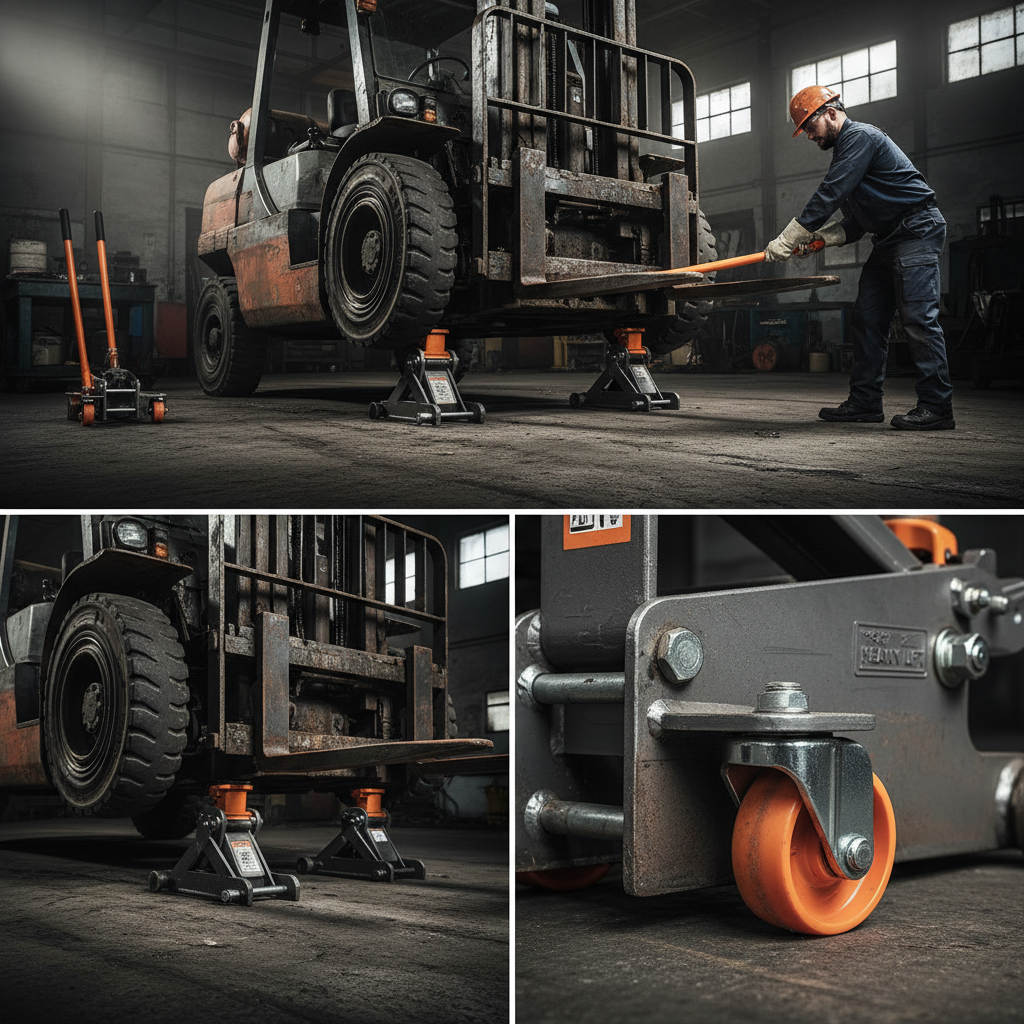
Finding a reliable car jack for lifted trucks is a critical challenge for off-road enthusiasts and fleet managers alike. As vehicle modifications become more common, standard garage equipment often falls short, unable to reach the higher chassis of a modified rig or support the increased curb weight of heavy-duty suspensions. Understanding the intersection of lift height, weight capacity, and stability is essential to ensure that maintenance remains safe and efficient.
Globally, the trend toward customized utility vehicles has surged, leading to a demand for specialized lifting solutions that adhere to strict safety standards. When a vehicle is lifted, the center of gravity shifts, and the traditional jacking points may be harder to access or require a longer reach. Using an under-rated jack not only risks damaging the vehicle's frame but poses a severe safety hazard to the operator, making a dedicated high-lift solution a non-negotiable tool for any serious workshop.
By investing in a high-quality car jack for lifted trucks, owners gain the peace of mind that comes with professional-grade stability. Whether it is for a routine tire rotation or complex undercarriage repairs, the right equipment transforms a dangerous struggle into a streamlined process. This guide explores the technical requirements, global applications, and future innovations of lifting technology tailored for the lifted truck market.
Global Demand for Specialized Lifting Solutions
The global automotive aftermarket has seen a significant shift toward the "overlanding" and "off-roading" culture, particularly in North America, Australia, and parts of Europe. This cultural shift has led to a proliferation of lifted trucks, which require specific tools for maintenance. According to industrial trends, the lack of specialized equipment often leads to improvised and dangerous lifting methods in residential garages, highlighting a critical gap in the consumer tool market.
Addressing this need requires a car jack for lifted trucks that combines a high minimum lift height with an exceptional maximum reach. The challenge is not just the weight, but the geometry of the vehicle; a jack must be able to fit under the higher frame while maintaining a wide, stable base to prevent tipping as the vehicle ascends.
Defining the High-Reach Jack for Modified Vehicles
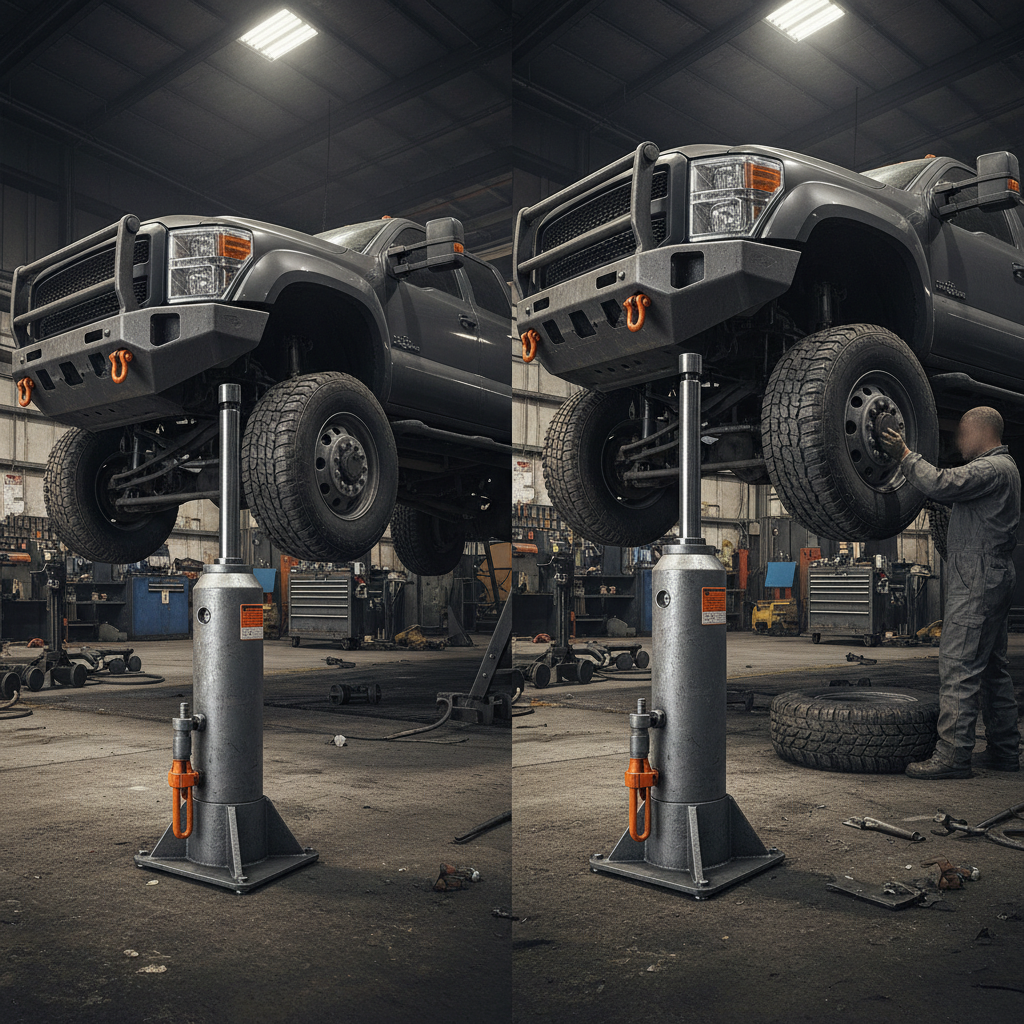
In simple terms, a car jack for lifted trucks is a heavy-duty lifting device engineered specifically to accommodate the increased ground clearance of modified vehicles. Unlike standard floor jacks, these tools feature extended lifting arms or taller hydraulic cylinders that allow them to reach the axle or frame of a truck that has been lifted by 3 to 12 inches.
Beyond mere height, these tools are integrated into the broader automotive service industry to support the "Right Tool for the Right Job" philosophy. This is not just about convenience; it is a matter of structural integrity. A jack designed for a standard sedan cannot safely support the concentrated load of a lifted diesel truck, as the internal seals and steel constructions of standard jacks would likely fail under such extreme pressure.
From a humanitarian and industrial perspective, these high-capacity jacks are vital in remote regions where rugged trucks are the primary mode of transport for aid and supplies. When a vehicle breaks down in a rural zone, having a specialized jack ensures that repairs can be made safely and quickly, maintaining the critical supply chain in challenging environments.
Core Components of High-Capacity Jacks
Durability is the cornerstone of any car jack for lifted trucks. To handle the massive tonnage, these jacks utilize reinforced high-carbon steel and thickened hydraulic cylinders. This ensures that the tool does not flex or warp under the weight of a heavy-duty truck, providing a rigid support system that is essential for technician safety.
Stability and reach are achieved through an elongated chassis and a wide-track wheel base. For a car jack for lifted trucks, the "reach" refers to the distance from the jack's center to the lifting point. An extended saddle allows the user to lift the truck without having to place the jack in an awkward or unstable position, reducing the risk of the vehicle slipping.
Cost efficiency in these tools is measured by their lifespan and versatility. While a specialized jack requires a higher initial investment, its ability to service a wide range of lifted heights—from mild street lifts to extreme mud-truck builds—eliminates the need for multiple tools. High-quality seals and precision-machined valves further reduce maintenance costs over the tool's operational life.
Performance Metrics and Efficiency Analysis
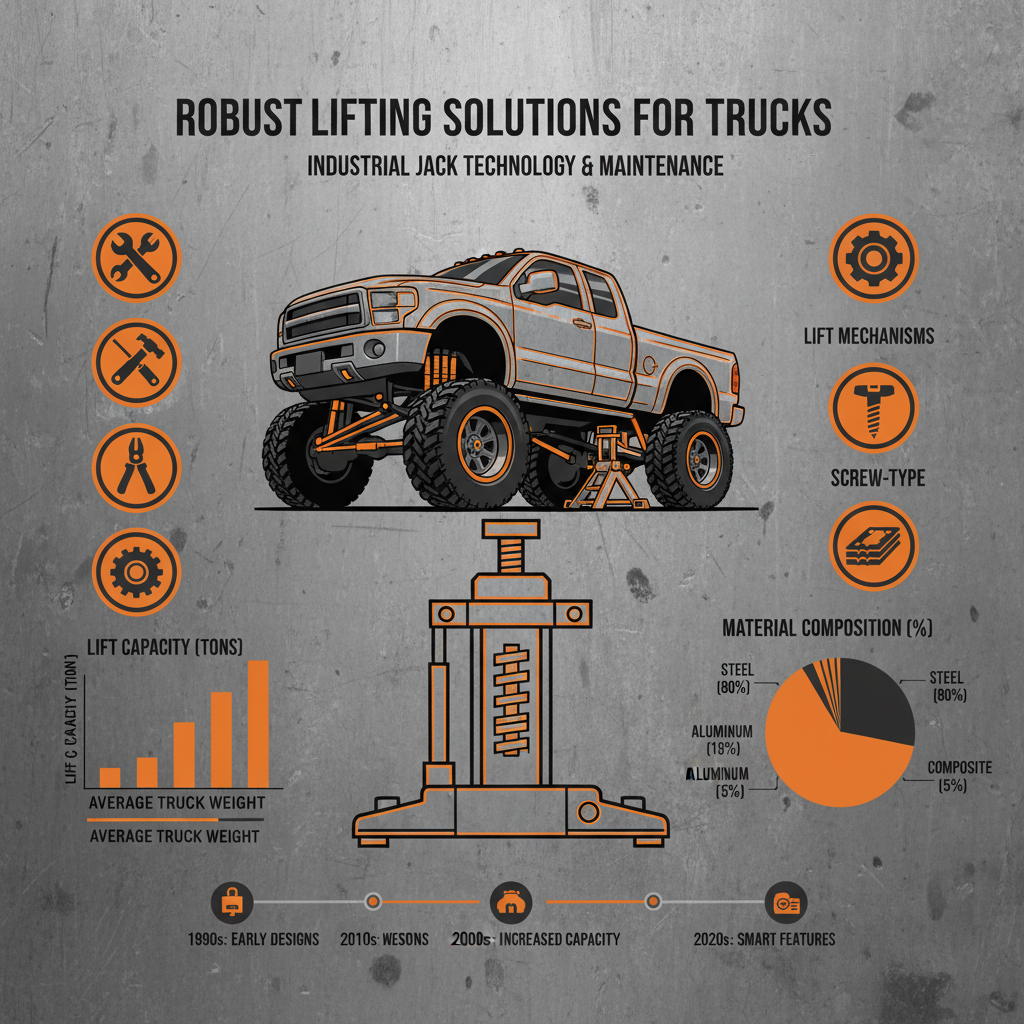
Evaluating the efficiency of a car jack for lifted trucks involves analyzing the lift-to-effort ratio and the stability index at maximum extension. Professional shops prioritize tools that offer rapid ascent without sacrificing control, ensuring that the vehicle reaches the desired height in fewer pumps.
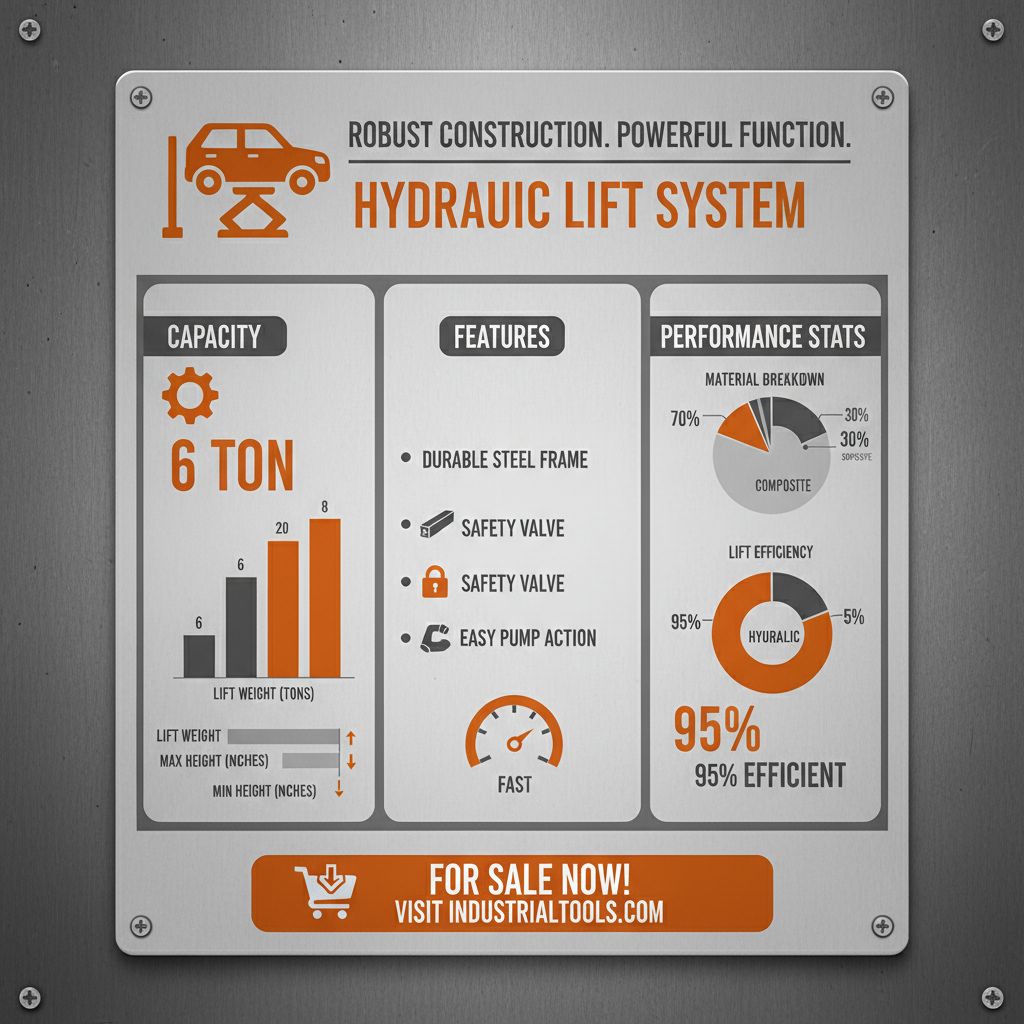
The following data compares different types of lifting methods commonly used for lifted vehicles to determine which provides the best balance of safety, speed, and reach.
Comparison of Lifting Methods for Lifted Trucks
Global Applications in Extreme Terrains
In the mining and forestry sectors of Canada and Siberia, heavy-duty vehicles with extreme lift kits are standard. Here, a car jack for lifted trucks is not a luxury but a survival tool. Field technicians must be able to lift massive axles in freezing temperatures on uneven soil, requiring jacks that are both powerful and resistant to thermal contraction.
Similarly, in the Australian Outback, the "4WD culture" relies heavily on specialized jacks for emergency recovery. Whether it is changing a tire in deep sand or performing a field repair on a suspension link, the ability to safely lift a 3-ton vehicle with a high center of gravity is paramount. These applications prove that the utility of these jacks extends far beyond the urban garage.
Long-Term Value of Industrial Grade Equipment
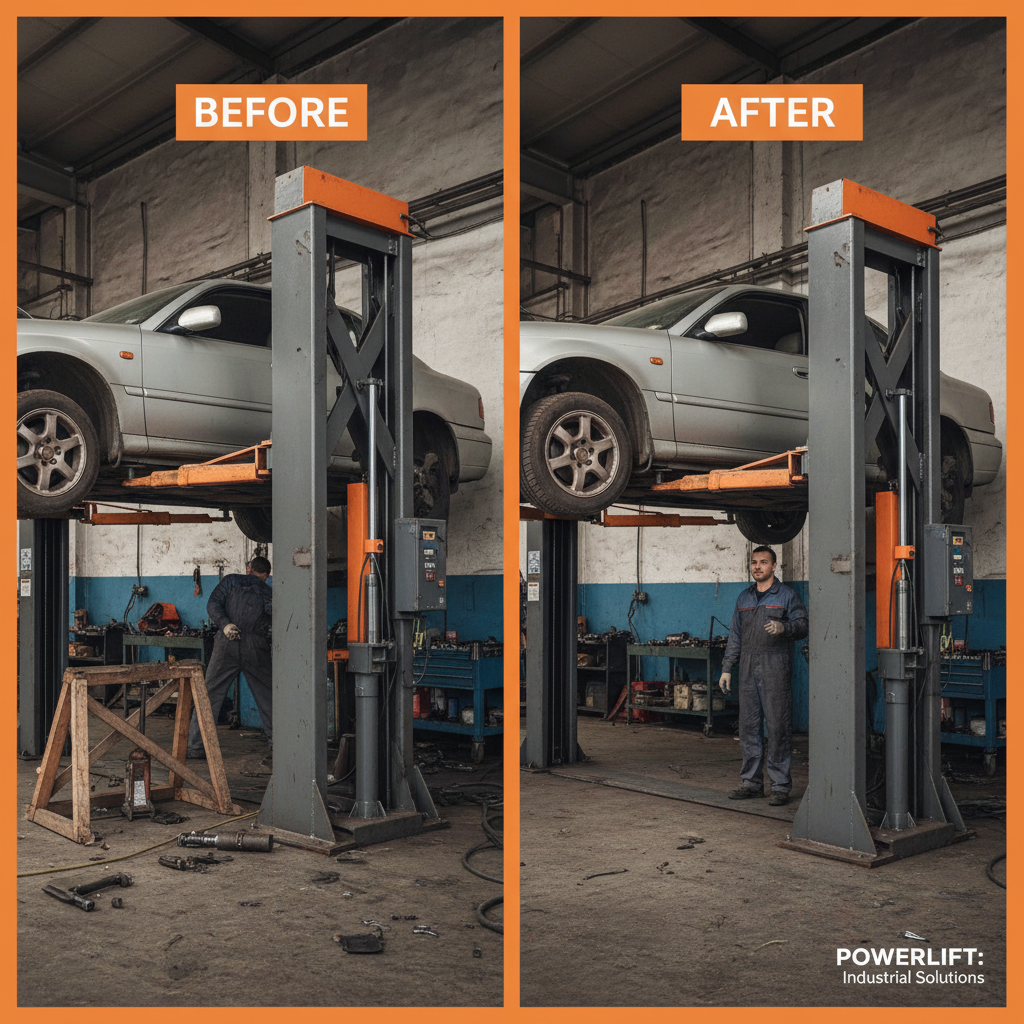
The long-term value of investing in a professional car jack for lifted trucks manifests in reduced downtime and increased safety. For a commercial fleet, using an improperly rated jack can lead to workplace accidents and costly liability claims. An industrial-grade tool ensures that every lift is predictable and stable, protecting both the technician and the asset.
From a psychological standpoint, the confidence provided by a sturdy jack allows a mechanic to work more efficiently. When you trust that the vehicle will not shift, you can focus entirely on the technical aspects of the repair. This trust is built on the quality of the materials—such as the use of aerospace-grade seals and precision-ground pistons.
Furthermore, these tools hold their value exceptionally well. High-quality automotive equipment often retains a significant portion of its resale value because the demand for reliable lifting solutions only grows as more trucks are modified globally. It is an investment in safety, productivity, and asset preservation.
Future Innovations in Automotive Lifting
The future of the car jack for lifted trucks is moving toward electrification and smart monitoring. We are seeing the emergence of battery-powered hydraulic systems that provide the power of a shop press with the portability of a hand jack. This eliminates the physical strain on the operator and allows for precise, millimeter-perfect height adjustments.
Sustainability is also playing a role, with manufacturers exploring new composite materials that offer the strength of steel but with significantly less weight. This makes the tools easier to transport in a vehicle's cargo bed without adding unnecessary weight to the truck, thereby improving fuel efficiency and payload capacity.
Integration with digital sensors is another exciting frontier. Future jacks may include load-cell sensors that alert the user via a smartphone app if the vehicle is unbalanced or if the weight exceeds the safe operating limit. This "smart lifting" approach will virtually eliminate the guesswork and drastically reduce the occurrence of accidents in both professional and home environments.
Technical Analysis of Lift Jack Specifications
| Jack Category |
Max Lift Height |
Weight Capacity |
Stability Score (1-10) |
| Standard Floor Jack |
18 inches |
2 Tons |
5 |
| Lifted-Specific Hydraulic |
28 inches |
5 Tons |
9 |
| Heavy Duty Bottle Jack |
22 inches |
10 Tons |
7 |
| Off-Road High Lift |
70 inches |
3 Tons |
6 |
| Professional Gantry Lift |
40 inches |
15 Tons |
10 |
| Air-Powered Jack |
25 inches |
4 Tons |
8 |
FAQS
Generally, no. A standard floor jack often lacks the maximum lift height to reach the frame of a 6-inch lifted truck. Even if it reaches, the angle of the lift may be unstable. It is highly recommended to use a car jack for lifted trucks that offers a higher starting point and extended reach to ensure safety.
Bottle jacks provide immense lifting power in a compact size but have a very small base, making them less stable on uneven ground. Floor jacks offer a wider base and a handle for easier positioning. For lifted trucks, a high-reach floor jack is usually preferred for garage work, while bottle jacks are great for emergency on-trail use.
Check your vehicle's GVWR (Gross Vehicle Weight Rating) and add a safety margin of at least 20-30%. Lift kits and larger tires add significant weight. If your truck weighs 7,000 lbs, a jack rated for at least 3-5 tons is advisable to ensure the hydraulic system isn't strained to its limit.
High-lift jacks (farm jacks) are excellent for recovery and lifting in off-road scenarios, but they are notoriously unstable for long-term maintenance. For any work where you are placing your body under the vehicle, always use a dedicated hydraulic car jack for lifted trucks and always secure the vehicle with high-capacity jack stands.
Yes, depending on the type of lift (spacer vs. bracket), your original factory jacking points may shift or become inaccessible. Always consult your lift kit manual to identify the new reinforced points on the frame or axle to avoid bending suspension components.
You should inspect your jack every six months. Check for hydraulic fluid leaks, ensure the release valve operates smoothly, and lubricate the pivot points. For industrial-grade jacks, replacing the hydraulic oil every two years helps maintain the smooth ascent required for heavy loads.
Conclusion
Choosing the right car jack for lifted trucks is more than a matter of convenience; it is a fundamental safety requirement. Throughout this guide, we have explored how increased vehicle height and weight necessitate a shift toward specialized equipment that prioritizes stability, reach, and raw capacity. From the rugged terrains of the Outback to the precision of a professional workshop, the right lifting tool ensures that the passion for vehicle modification is matched by a commitment to safety and professional maintenance standards.
Looking forward, the integration of smart sensors and electric hydraulics will continue to make automotive lifting safer and more accessible. Whether you are a professional mechanic or a weekend warrior, investing in high-quality, rated equipment is the only way to guarantee the longevity of your vehicle and your own well-being. For those seeking the most reliable and durable lifting solutions tailored for modified rigs, we invite you to explore our professional range. Visit our website: www.lgautorepairtool.com