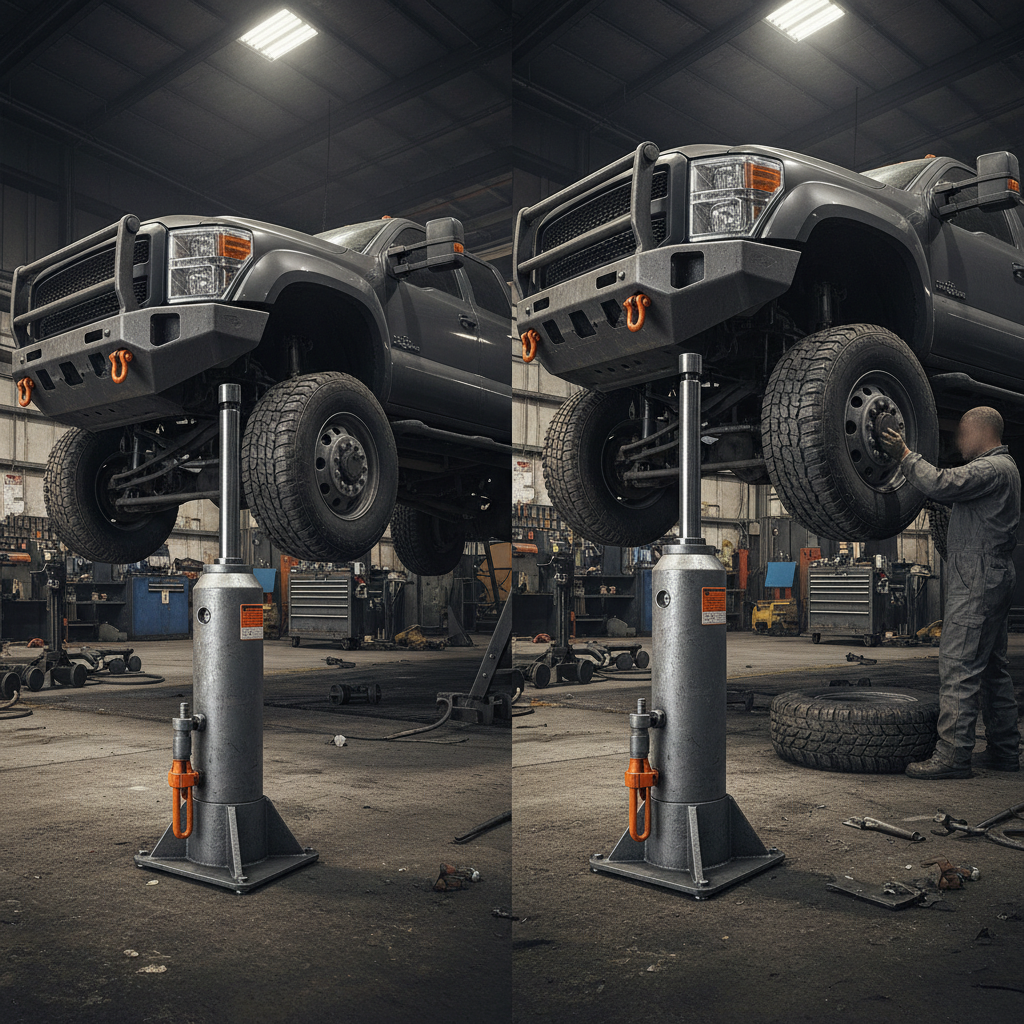
Floor jack construction is a critical aspect of automotive repair and maintenance, extending beyond simply lifting a vehicle. It encompasses the engineering, material science, and manufacturing processes that ensure safe and reliable operation. The global demand for reliable lifting equipment drives continuous innovation in floor jack design and construction, impacting industries ranging from professional automotive shops to individual DIY enthusiasts. Understanding the principles behind robust floor jack construction is fundamental for anyone working with vehicles, contributing directly to workplace safety and efficient repair procedures.
The automotive industry’s reliance on floor jacks is substantial, with millions utilized annually worldwide. According to industry reports, the market for hydraulic jacks – a core component of floor jack construction – is projected to experience steady growth, driven by increasing vehicle ownership and the expanding automotive aftermarket. This demand creates both opportunities and challenges, requiring manufacturers to balance cost-effectiveness with stringent safety standards and durability requirements. Effective floor jack construction addresses these needs, mitigating risks associated with vehicle lifting and providing a stable platform for repair work.
The escalating need for efficient and safe vehicle maintenance globally further underlines the importance of understanding floor jack construction. As vehicle complexity increases, so too does the demand for specialized lifting equipment capable of handling diverse vehicle types and weights. This highlights the need for continuous improvement in design, materials, and manufacturing techniques within floor jack construction to meet the evolving requirements of the automotive industry.
Introduction to Floor Jack Construction
The term ‘floor jack construction’ refers to the entire process of designing, engineering, and manufacturing hydraulic floor jacks used for lifting vehicles. It's not merely about assembling parts, but rather a comprehensive understanding of materials, hydraulics, welding techniques, and safety protocols. A well-constructed floor jack ensures both operator safety and the integrity of the vehicle being lifted.
The quality of floor jack construction directly impacts its performance and lifespan. Factors like steel gauge, hydraulic seal quality, and weld integrity all contribute to the jack’s ability to handle heavy loads repeatedly without failure. Understanding these factors is vital for both manufacturers and end-users seeking a reliable and safe lifting solution.
Defining Floor Jack Construction
Floor jack construction is the comprehensive methodology employed to build hydraulic floor jacks, devices utilizing Pascal’s principle to lift heavy loads with minimal effort. It's a multidisciplinary field incorporating mechanical engineering, metallurgy, and manufacturing expertise. The process begins with design, specifying load capacity, lift range, and safety features, and culminates in a rigorously tested product ready for use.
This construction is inherently tied to the modern automotive industry and broader mechanical repair landscape. From vehicle maintenance in professional garages to roadside repairs, floor jacks are indispensable tools. Reliable floor jack construction facilitates efficient workflows, minimizes downtime, and ultimately contributes to safer working environments.
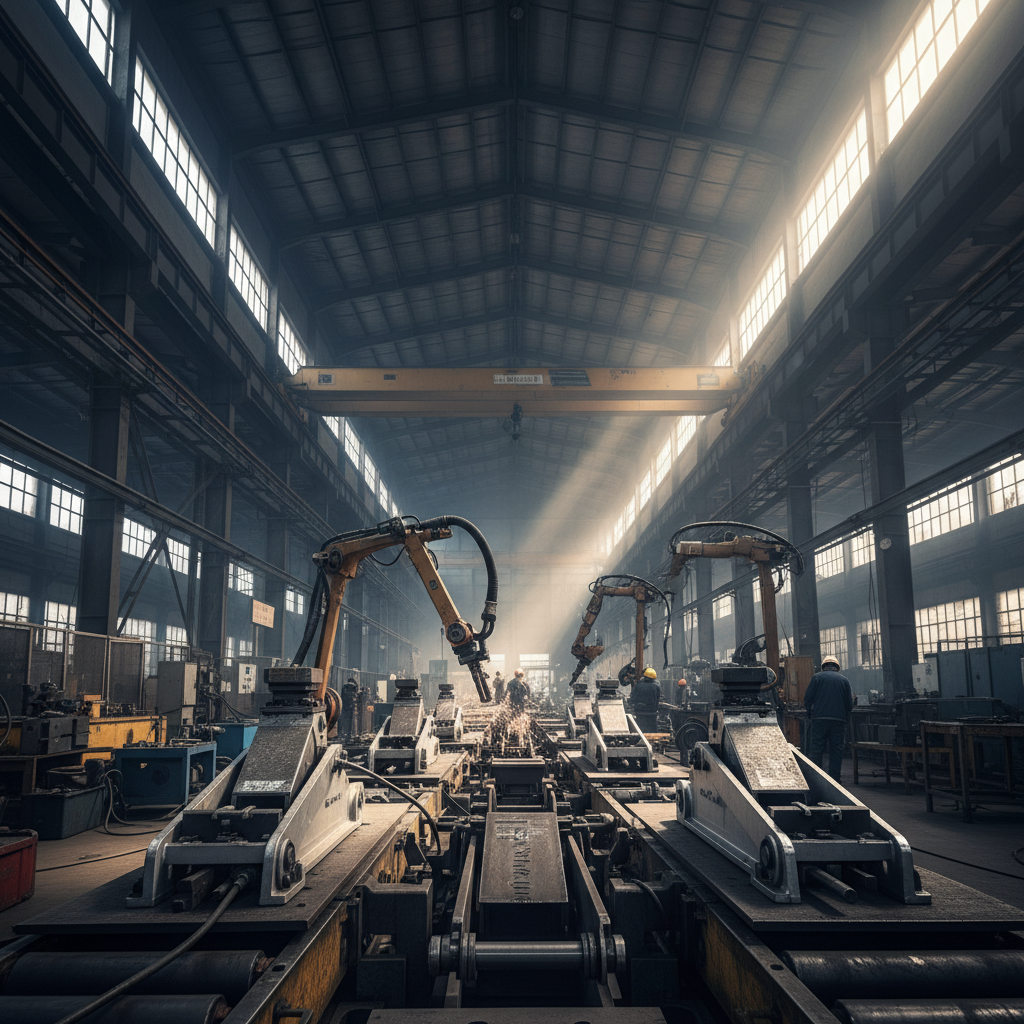
The core of floor jack construction lies in the precise integration of hydraulic systems with robust mechanical frameworks. This involves careful material selection, precision machining, and adherence to strict quality control standards. A properly constructed floor jack is not only powerful but also designed for long-term durability and ease of use.
Core Components of Floor Jack Construction
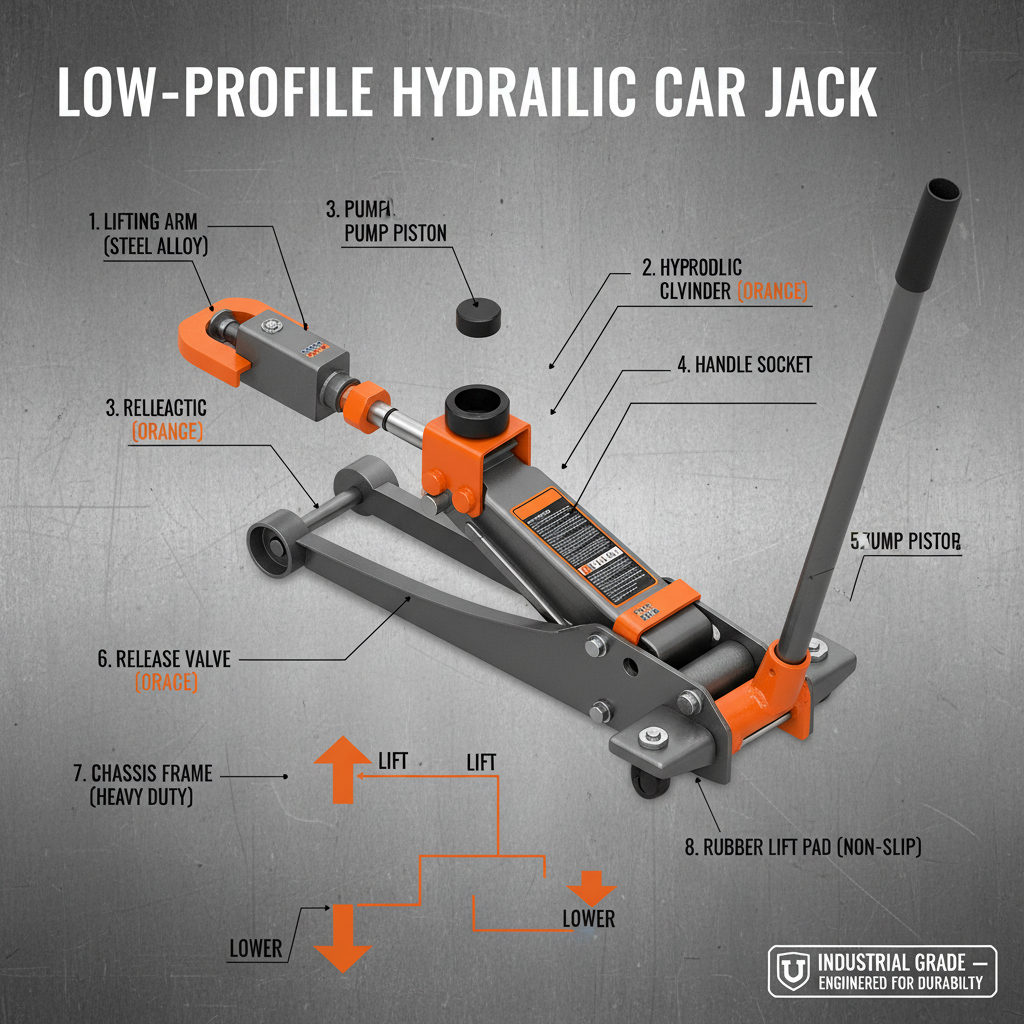
Several key components define the quality and performance of floor jack construction. The hydraulic cylinder, responsible for generating lifting force, is paramount. The pump mechanism, typically powered manually or pneumatically, pressurizes the hydraulic fluid. The release valve controls the descent of the jack, while the frame and saddle provide structural support and a stable lifting platform. The quality of each component dramatically impacts the jack's overall capability.
Material selection is another crucial aspect. High-strength steel is generally used for the frame and lifting arm to withstand significant stress. Hydraulic seals made from nitrile rubber or similar materials prevent fluid leakage and maintain consistent pressure. The choice of materials directly influences the jack’s durability and resistance to corrosion.
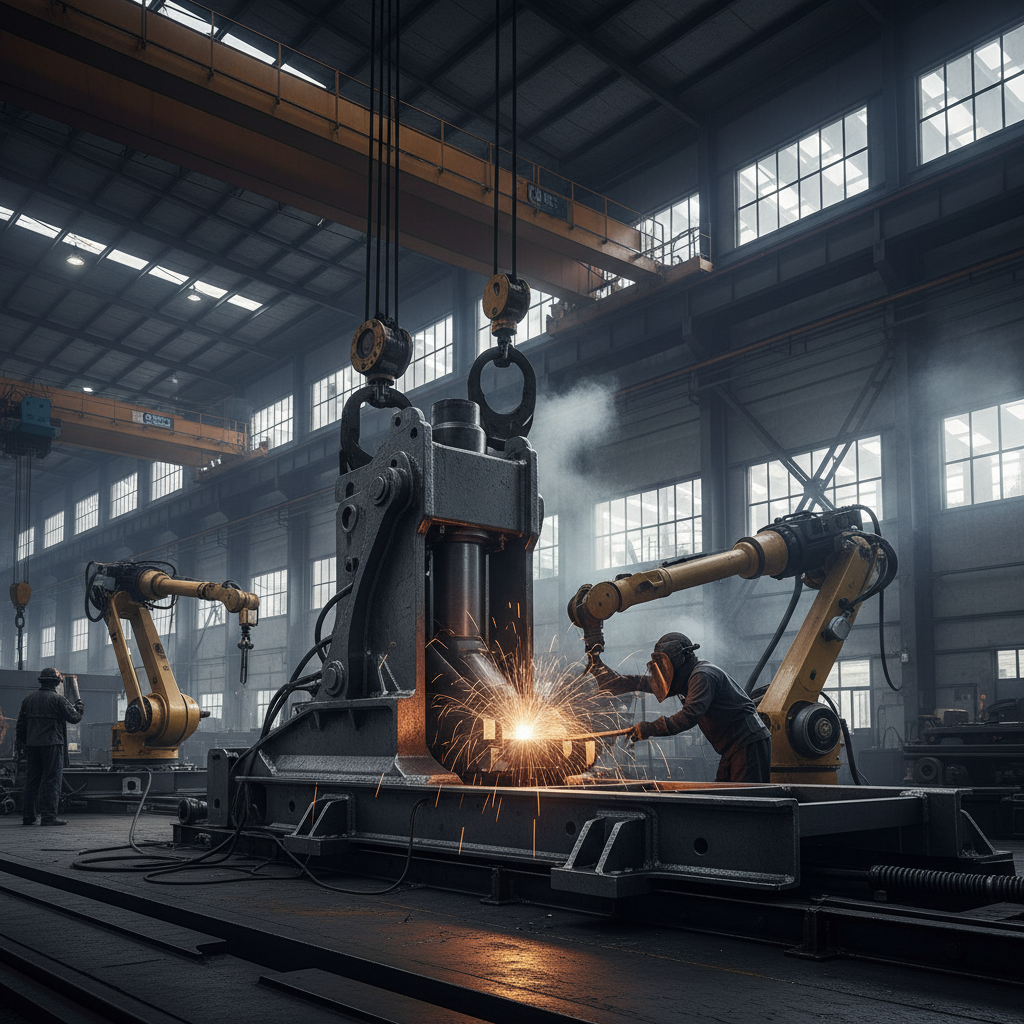
The welding process used in floor jack construction is also vital. Consistent, high-quality welds ensure the frame remains structurally sound under heavy loads. Improper welding can create weak points that could lead to catastrophic failure. Therefore, skilled welders and rigorous inspection procedures are essential components of reliable floor jack construction.
Durability and Reliability in Floor Jack Construction
Durability is paramount in floor jack construction, as these tools are frequently subjected to heavy loads and demanding environments. Robust construction, utilizing high-grade steel and reinforced welds, is fundamental to preventing structural failure. Regular maintenance, including lubrication and seal replacement, also contributes significantly to longevity.
Reliability goes hand-in-hand with durability. A reliable floor jack consistently delivers the specified lifting force and maintains stability throughout its operating range. This necessitates precise manufacturing tolerances, thorough quality control, and the use of dependable hydraulic components.
Component Failure Rates in Floor Jack Construction
Global Applications of Floor Jack Construction
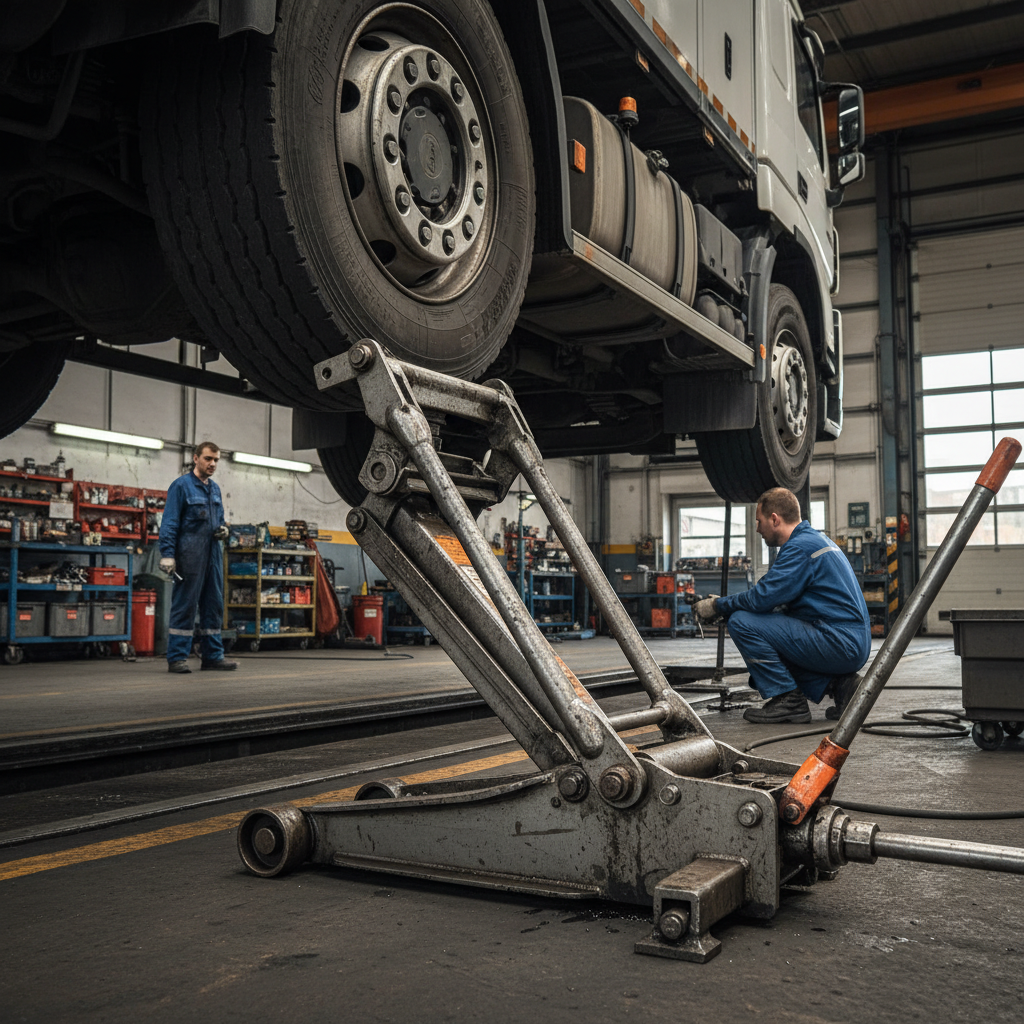
Floor jacks are ubiquitous across a diverse range of industries and applications worldwide. In automotive repair shops, they are essential for vehicle maintenance, tire changes, and brake work. Construction sites utilize them for lifting heavy machinery and stabilizing structures. Emergency services rely on them for vehicle extrication and roadside assistance.
In post-disaster relief operations, robust floor jacks are crucial for lifting debris and accessing trapped individuals. Remote industrial zones, where access to specialized equipment is limited, depend on durable floor jacks for essential maintenance tasks. The versatility and portability of these tools make them indispensable in various challenging environments.
Advantages of Robust Floor Jack Construction
A floor jack built with superior construction offers a multitude of advantages. Increased safety is paramount, minimizing the risk of vehicle collapse or injury to personnel. Extended lifespan reduces replacement costs and downtime, improving overall efficiency. Enhanced reliability provides consistent performance, crucial for professional applications.
Furthermore, robust floor jack construction contributes to improved workplace morale and operator confidence. Knowing that the equipment is dependable instills trust and allows technicians to focus on their tasks without concern for potential equipment failure. This builds a culture of safety and efficiency within the workshop.
Future Trends in Floor Jack Construction
The future of floor jack construction is poised for innovation driven by advancements in materials science and digital technology. The integration of lightweight, high-strength alloys, like aluminum and titanium, could significantly reduce jack weight without compromising lifting capacity. The incorporation of smart sensors and data analytics could enable predictive maintenance, alerting users to potential component failures before they occur.
Automation and remote control systems are also emerging trends. Remotely operated floor jacks could enhance safety in hazardous environments. Sustainable manufacturing practices, utilizing recycled materials and minimizing waste, are becoming increasingly important, aligning with global environmental concerns.
Furthermore, we can anticipate increased focus on ergonomic design, making floor jacks easier and safer to operate, reducing operator fatigue and strain. This may include features like motorized lifting mechanisms and improved handle designs.
Analysis of Common Floor Jack Construction Defects
| Defect Type |
Root Cause |
Severity (1-10) |
Mitigation Strategy |
| Hydraulic Leakage |
Seal Degradation/Improper Installation |
7 |
Regular Seal Replacement, Quality Control |
| Weld Failure |
Insufficient Penetration/Poor Technique |
9 |
Certified Welders, Non-Destructive Testing |
| Frame Deformation |
Overloading/Material Fatigue |
6 |
Reinforced Design, Load Limit Enforcement |
| Release Valve Malfunction |
Contamination/Wear & Tear |
5 |
Regular Cleaning, Component Replacement |
| Saddle Instability |
Poor Design/Material Weakness |
8 |
Improved Saddle Geometry, High-Strength Materials |
| Pump Handle Failure |
Stress Fractures/Corrosion |
4 |
Corrosion-Resistant Coatings, Reinforce Handle |
FAQS
A standard floor jack typically ranges in capacity from 2 to 50 tons, with 2-3 ton jacks being common for passenger vehicles. However, exceeding the stated capacity is extremely dangerous. Always verify the jack’s rating before use and never attempt to lift a load beyond its limit. Properly constructed floor jacks will clearly display their maximum weight capacity.
The hydraulic fluid should be replaced every 2-3 years, or more frequently with heavy use. Over time, the fluid can become contaminated with debris and air bubbles, reducing its efficiency and potentially damaging the seals. Regular fluid changes, using the manufacturer’s recommended fluid type, ensure optimal performance and longevity of the jack.
Always use jack stands to support the vehicle after lifting it with the floor jack. Never work under a vehicle supported only by a floor jack. Ensure the jack is placed on a level, solid surface. Use the correct saddle adapter for the vehicle's jacking points. Inspect the jack for any damage before each use, and always follow the manufacturer’s instructions.
Slow lowering typically indicates an internal leak in the hydraulic system. This could be due to worn or damaged seals, a faulty release valve, or air in the hydraulic fluid. Attempting to use a leaking jack is dangerous. The jack should be inspected and repaired by a qualified technician before further use.
High-quality floor jacks commonly utilize high-strength carbon steel for the frame and lifting arm, providing exceptional durability. Hydraulic seals are typically made from nitrile rubber or polyurethane for resistance to oil and wear. Some manufacturers are increasingly incorporating aluminum alloys to reduce weight without compromising strength.
Regularly lubricate all moving parts with a suitable oil or grease. Keep the jack clean and free of debris. Inspect seals for leaks and replace them as needed. Avoid exceeding the jack’s weight capacity. Store the jack in a dry, protected environment. Follow the manufacturer’s maintenance recommendations.
Conclusion
In conclusion, floor jack construction is a multifaceted field encompassing engineering, material science, and manufacturing precision. A thorough understanding of its core components, potential failure points, and evolving technologies is crucial for ensuring safety, reliability, and efficiency in automotive repair and beyond. Investing in robustly constructed floor jacks and adhering to proper maintenance practices significantly reduces risks and maximizes operational lifespan.
Looking ahead, advancements in materials, automation, and sustainable manufacturing will continue to shape the future of floor jack construction. By embracing these innovations and prioritizing safety, the industry can deliver increasingly reliable and user-friendly lifting solutions, contributing to a safer and more efficient automotive landscape. For high-quality tools and expert advice, visit our website: www.lgautorepairtool.com.