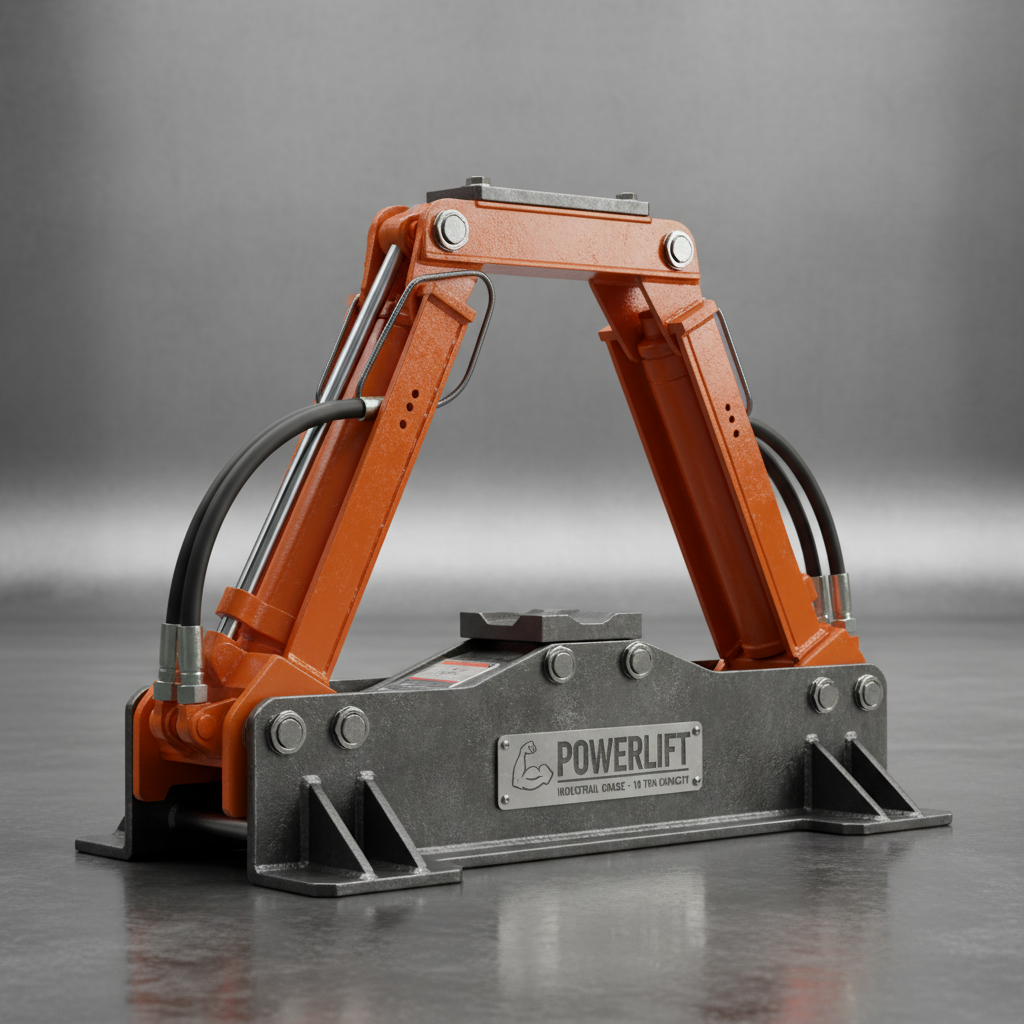
Hydraulic vehicle jacks are indispensable tools in automotive repair, construction, and various industrial applications. Their ability to lift heavy loads with minimal effort makes them critical for safety and efficiency. Understanding the principles behind these jacks, their applications, and the latest advancements is essential for professionals and enthusiasts alike. This knowledge empowers users to select the right equipment, operate it safely, and maximize its lifespan, ultimately contributing to smoother workflows and reduced risks.
Globally, the demand for hydraulic vehicle jacks is driven by the growing automotive industry, increased infrastructure development, and the expanding need for robust lifting solutions in manufacturing and logistics. According to reports from the UN Statistics Division, the global automotive production continues to rise, indicating a persistent need for supporting tools like hydraulic jacks. Furthermore, the ISO standards for lifting equipment emphasize the importance of quality and safety, shaping the design and manufacturing of these essential devices.
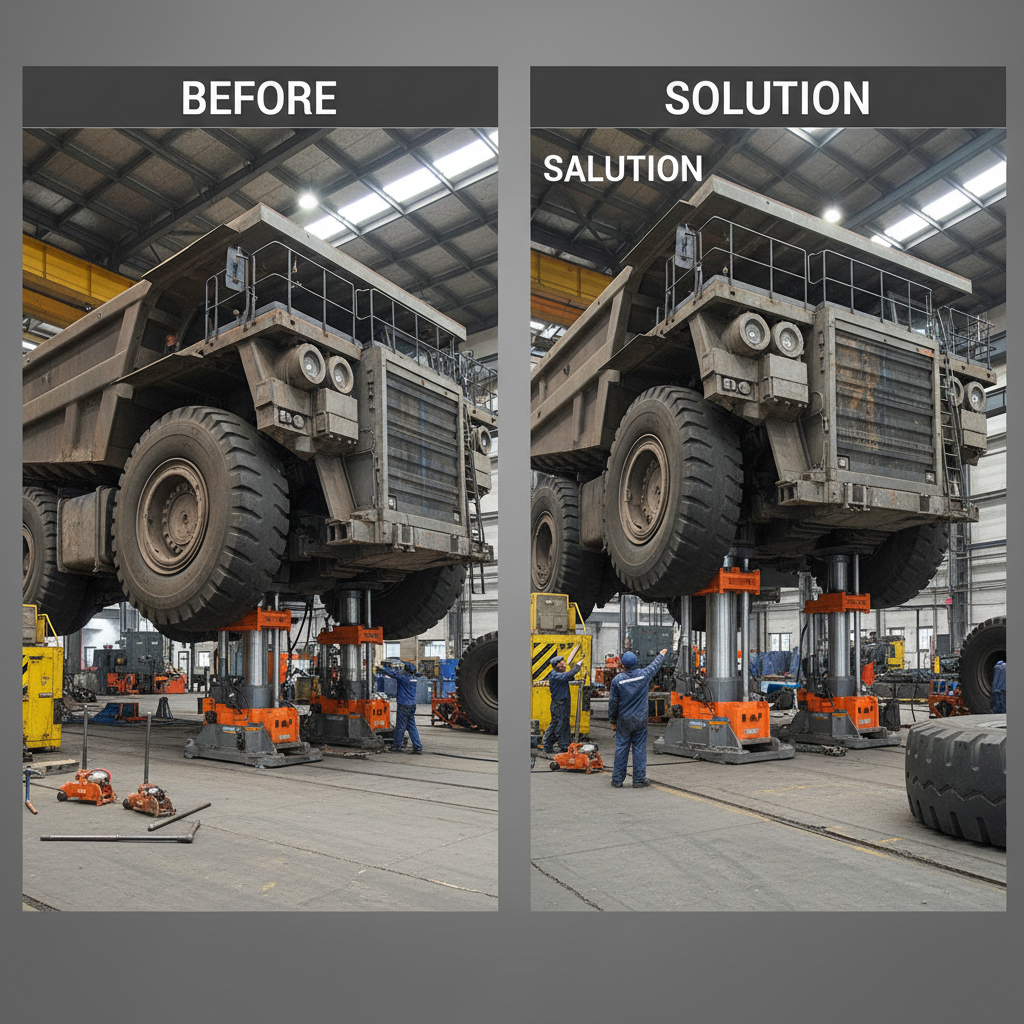
A primary challenge addressed by hydraulic vehicle jacks is the safe and efficient lifting of vehicles and heavy equipment. Traditional methods, relying on manual levers or rudimentary mechanical systems, are often slow, require significant physical exertion, and pose a higher risk of accidents. Hydraulic jacks offer a superior solution, leveraging Pascal's principle to multiply force, enabling effortless lifting and lowering of substantial weights, thereby enhancing workplace safety and productivity.
Introduction to hydraulic vehicle jacks
Hydraulic vehicle jacks represent a crucial advancement in lifting technology, providing a safe, efficient, and reliable means to elevate vehicles and other heavy objects. These jacks operate on the principle of Pascal’s Law, utilizing a confined fluid to transmit force and amplify lifting capacity. Their compact design and ease of use make them integral to automotive repair shops, construction sites, and emergency response scenarios.
The importance of hydraulic vehicle jacks extends beyond simple lifting; they contribute significantly to worker safety, reduce physical strain, and improve overall productivity. A well-maintained and appropriately sized jack can prevent accidents and ensure the stability of lifted loads, minimizing risks in potentially hazardous environments. Their versatile nature supports a wide range of tasks, from routine vehicle maintenance to complex structural repairs.
Defining Hydraulic Vehicle Jacks
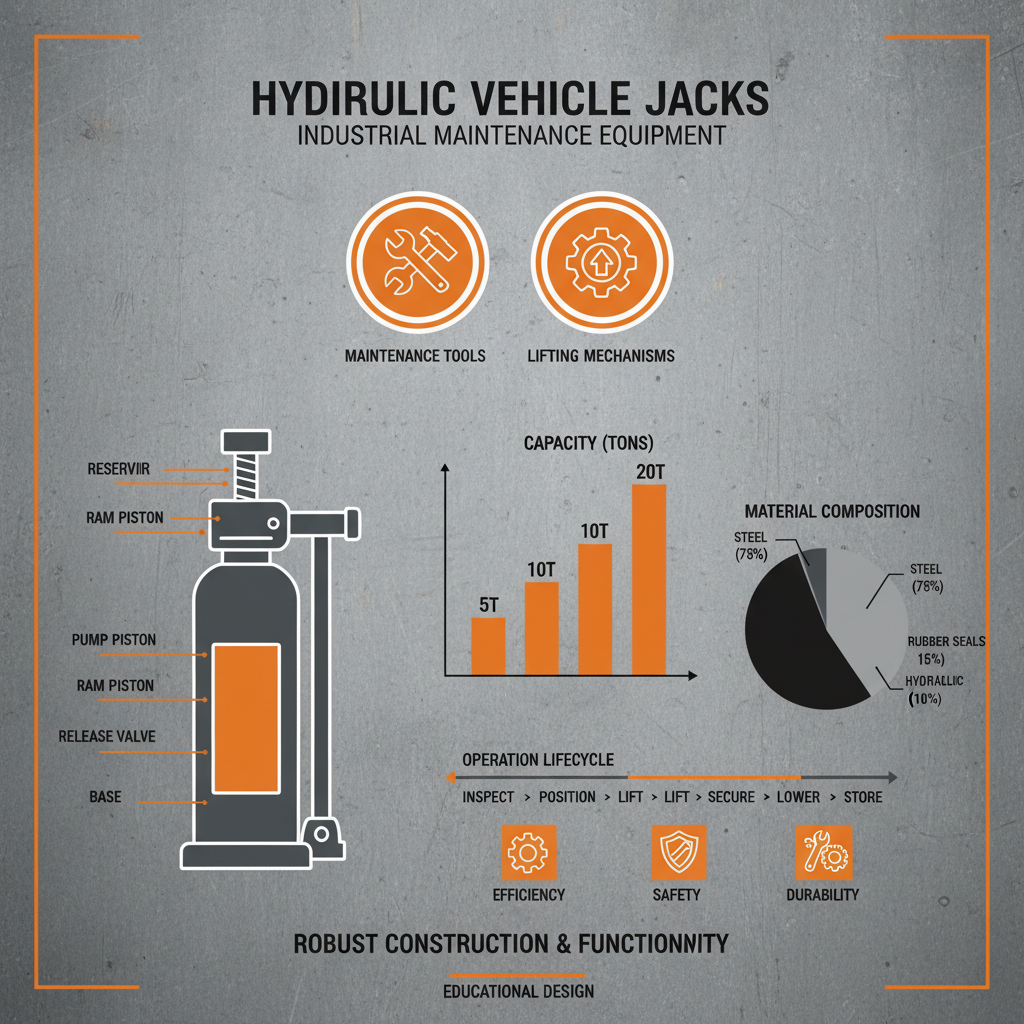
A hydraulic vehicle jack is a mechanical device that utilizes a hydraulic system to lift heavy loads. It consists of a hydraulic cylinder, a pump, and a release valve. The pump forces hydraulic fluid into the cylinder, creating pressure that extends a piston, which in turn lifts the load. The release valve controls the lowering of the load by releasing the hydraulic fluid.
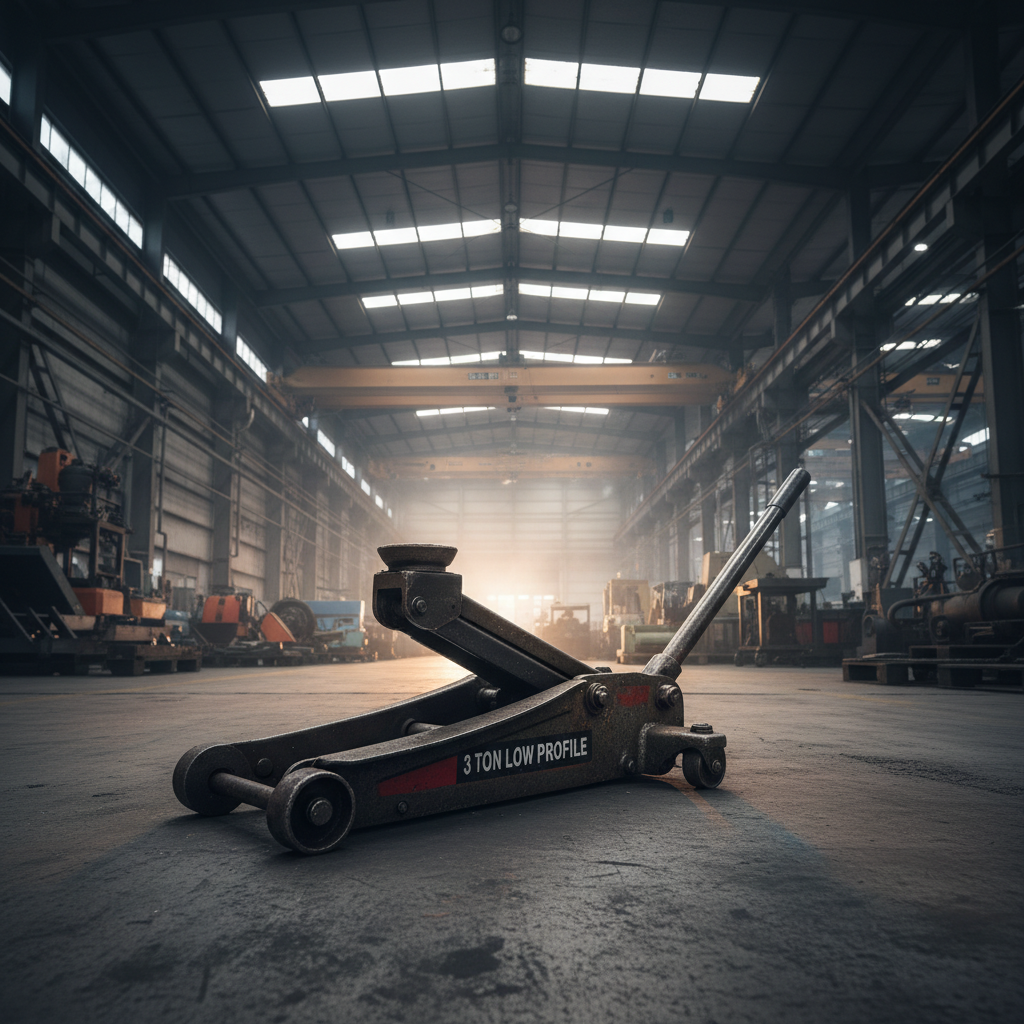
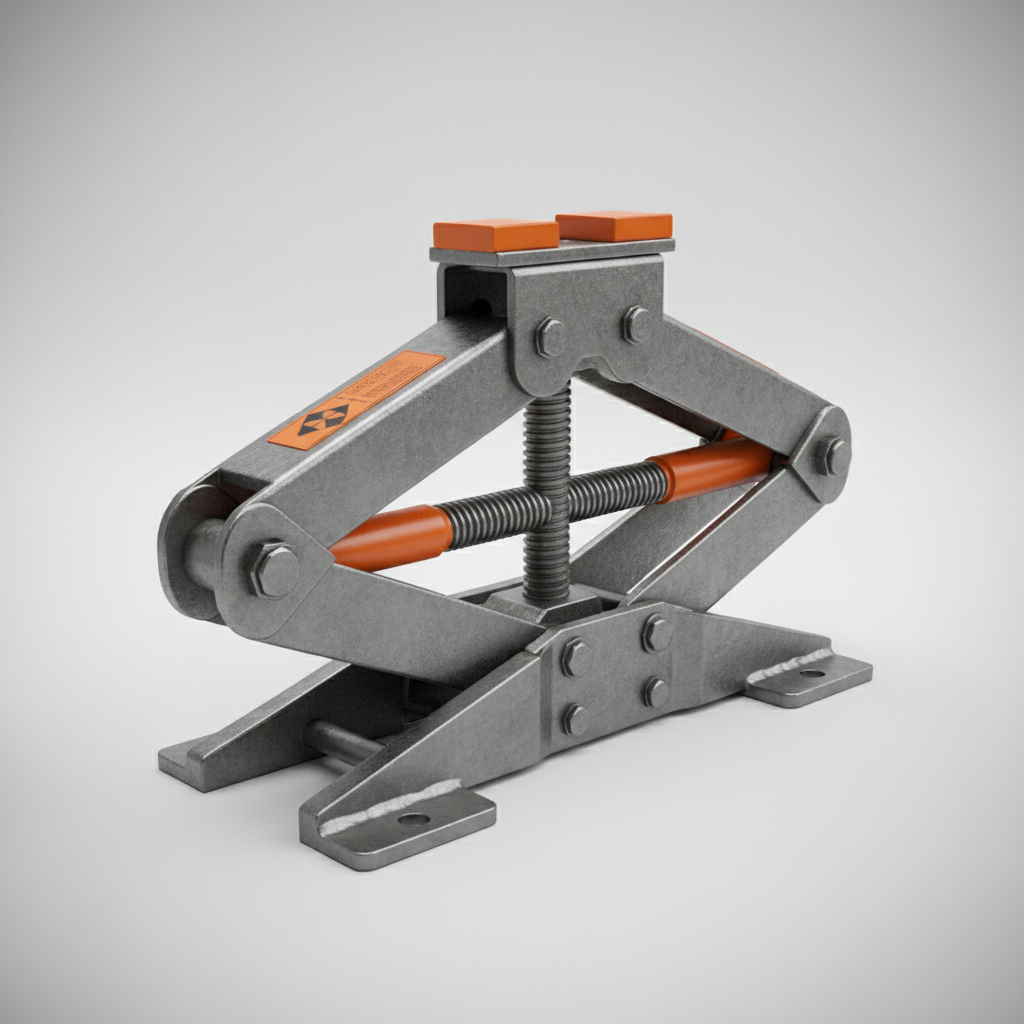
Unlike mechanical jacks which rely on leverage, hydraulic jacks amplify force through fluid pressure. This allows for a much greater lifting capacity with relatively little physical effort. They’re broadly categorized into bottle jacks (vertical lifting) and floor jacks (horizontal lifting), each suited for different applications based on space constraints and load characteristics.
Their connection to modern industry is undeniable. In automotive manufacturing, they are essential for assembly line operations. In emergency services, they enable rapid vehicle extrication during accidents. And in construction, they facilitate the installation of heavy components and machinery, underscoring their vital role in supporting critical infrastructure and essential services.
Key Components and Features
Durability is a cornerstone of hydraulic vehicle jack design. High-quality steel construction, reinforced welds, and robust seals are critical for withstanding repeated use and heavy loads. This durability translates to a longer lifespan and reduced maintenance costs, making it a financially sound investment.
Lifting Capacity is paramount. Jacks are rated for specific maximum loads, and selecting a jack with a capacity exceeding the anticipated weight is essential for safety. Understanding the weight of the vehicle or object to be lifted is crucial to avoid overloading and potential failure.
Ease of Use contributes significantly to efficiency and safety. Features like quick-lift pumps, ergonomic handles, and smooth lowering mechanisms reduce operator fatigue and minimize the risk of accidents. Intuitive controls and clear labeling further enhance usability.
Applications Across Industries
In the Automotive Repair Industry, hydraulic vehicle jacks are fundamental for tasks such as tire changes, brake repairs, and suspension work. They allow mechanics to safely access the underside of vehicles and perform necessary maintenance. The prevalence of these jacks in automotive shops worldwide is a testament to their essential role.
Construction sites utilize hydraulic vehicle jacks for leveling and stabilizing heavy equipment, supporting structures during repairs, and lifting materials into place. Their ability to provide precise and controlled lifting is crucial for maintaining stability and safety on construction projects.
Emergency Response teams rely on hydraulic vehicle jacks for extricating victims from vehicle accidents. Specialized hydraulic rescue tools, including spreaders and cutters, often incorporate hydraulic systems for powerful and precise operation, and hydraulic jacks provide stable lifting and support for compromised vehicles, aiding in safe rescue operations.
Hydraulic Vehicle Jack Performance Metrics
Advantages and Long-Term Value
Cost Efficiency is a significant benefit of using hydraulic vehicle jacks. Their durability and reliability reduce the need for frequent replacements, resulting in lower long-term ownership costs. Furthermore, their ease of use and speed can increase productivity, leading to labor cost savings.
Enhanced Safety is paramount. The controlled lifting and lowering mechanisms of hydraulic jacks minimize the risk of accidents and injuries compared to traditional methods. Built-in safety features, such as overload protection and stable base designs, further contribute to a safer working environment.
Future Trends and Innovations
Lightweight Materials, such as aluminum alloys and composite materials, are being explored to reduce the weight of hydraulic vehicle jacks without compromising their strength or durability. This makes them easier to maneuver and transport, particularly in mobile repair scenarios.
Smart Jack Technology, incorporating sensors and wireless connectivity, is emerging. These "smart" jacks can monitor load weight, provide real-time feedback to operators, and even integrate with diagnostic systems, enhancing safety and efficiency.
Sustainable Hydraulics utilizes environmentally friendly hydraulic fluids to minimize environmental impact. Bio-based hydraulic fluids are gaining traction as a sustainable alternative to traditional petroleum-based fluids.
Challenges and Solutions
One common challenge is the potential for hydraulic fluid leaks, which can compromise lifting capacity and pose environmental hazards. Implementing high-quality seals and conducting regular maintenance can mitigate this risk.
Another challenge is the risk of instability, particularly on uneven surfaces. Using jack stands in conjunction with hydraulic jacks is crucial to provide secondary support and prevent accidental lowering. Proper training on correct jack placement and stabilization techniques is also essential.
Corrosion, particularly in harsh environments, can affect the longevity of hydraulic vehicle jacks. Applying protective coatings and regularly inspecting for signs of corrosion can help prevent damage and extend the lifespan of the equipment.
Summary of Hydraulic Vehicle Jack Challenges and Mitigation Strategies
| Challenge |
Impact Severity (1-5) |
Mitigation Strategy |
Cost of Implementation (1-5) |
| Hydraulic Fluid Leaks |
4 |
Regular Seal Inspection and Replacement |
2 |
| Instability on Uneven Surfaces |
5 |
Use of Jack Stands for Secondary Support |
1 |
| Corrosion in Harsh Environments |
3 |
Protective Coatings and Regular Inspections |
2 |
| Overload Capacity Exceeded |
5 |
Careful Weight Estimation and Jack Selection |
1 |
| Improper Usage & Training |
4 |
Comprehensive User Training and Manuals |
3 |
| Valve Malfunction |
3 |
Regular Valve Inspection and Maintenance |
2 |
FAQS
The safe lifting capacity varies significantly depending on the jack's design and size. Common ranges are from 2 to 20 tons. Always check the manufacturer's specifications printed on the jack itself. Never exceed the rated capacity, as this can lead to catastrophic failure and serious injury. Choosing a jack with a higher capacity than needed provides a safety margin.
Bleeding a hydraulic jack removes air bubbles from the system, ensuring optimal performance. The frequency depends on usage. Generally, bleeding is recommended annually or whenever the jack's performance diminishes – if it feels spongy or doesn't maintain pressure. Refer to the jack’s manual for specific instructions on the bleeding process.
The recommended hydraulic fluid type is usually specified in the jack's manual. Typically, hydraulic jacks use ISO 32 or ISO 46 hydraulic oil. Using the wrong fluid can damage seals and reduce performance. Avoid using brake fluid or other substitutes, as they are incompatible and can cause corrosion.
Regular cleaning and lubrication are essential for preventing corrosion. After each use, wipe down the jack with a clean cloth and apply a corrosion-inhibiting lubricant to exposed metal surfaces. Store the jack in a dry environment to minimize exposure to moisture. Regularly inspect for any signs of rust or corrosion.
Absolutely not. A hydraulic jack is designed for lifting, not for sustained support. Always use jack stands to securely support the load after lifting it with the jack. Jack stands provide a stable and reliable support system, preventing accidental lowering and potential injury. Never work under a vehicle supported only by a hydraulic jack.
Always work on a level surface, use jack stands for support, never exceed the jack's rated capacity, and ensure the load is centered. Inspect the jack for damage before each use. Wear appropriate safety gear, including gloves and eye protection. Be aware of your surroundings and avoid distractions while operating the jack.
Conclusion
In conclusion, hydraulic vehicle jacks are essential tools that have revolutionized lifting operations across diverse industries. Their efficiency, safety, and reliability make them indispensable for automotive repair, construction, emergency response, and numerous other applications. Understanding their principles, proper usage, and future trends is crucial for maximizing their benefits and minimizing risks.
Looking ahead, continued innovation in materials, smart technology, and sustainable practices will further enhance the performance and environmental friendliness of hydraulic vehicle jacks. By prioritizing safety, investing in quality equipment, and embracing emerging technologies, we can ensure that these vital tools continue to play a critical role in supporting a safer, more efficient, and more sustainable future. Visit our website at hydraulic vehicle jacks to learn more!