A robust and reliable car shop jack is an indispensable tool in any automotive repair facility. Its importance extends beyond simply lifting vehicles; it’s fundamental to safety, efficiency, and the quality of work performed. From routine maintenance like oil changes and tire rotations to more complex repairs, a quality jack ensures technicians have secure access to the undercarriage of vehicles. The global automotive repair industry relies heavily on these tools, with a continued demand driven by the increasing number of vehicles on the road and the growing complexity of automotive technology. Understanding the different types, capabilities, and safety protocols associated with a car shop jack is crucial for any professional in the field.
The automotive service and repair market is a multi-billion dollar industry worldwide. According to Statista, the global automotive aftermarket was valued at approximately $400 billion in 2023 and is projected to reach over $500 billion by 2028. A significant portion of this market relies on equipment such as car shop jacks to facilitate repairs and maintenance. The increasing demand for vehicle repairs, coupled with the need for safety and efficiency, drives innovation in jack technology. This innovation addresses challenges such as weight capacity, lifting height, and ease of use.
Furthermore, the growth of the electric vehicle (EV) market presents unique challenges and opportunities for car shop jack manufacturers. EVs often have different undercarriage structures and weight distributions, requiring specialized lifting equipment. Addressing these requirements will be key to maintaining a safe and efficient automotive repair landscape.

The Importance of Car Shop Jacks
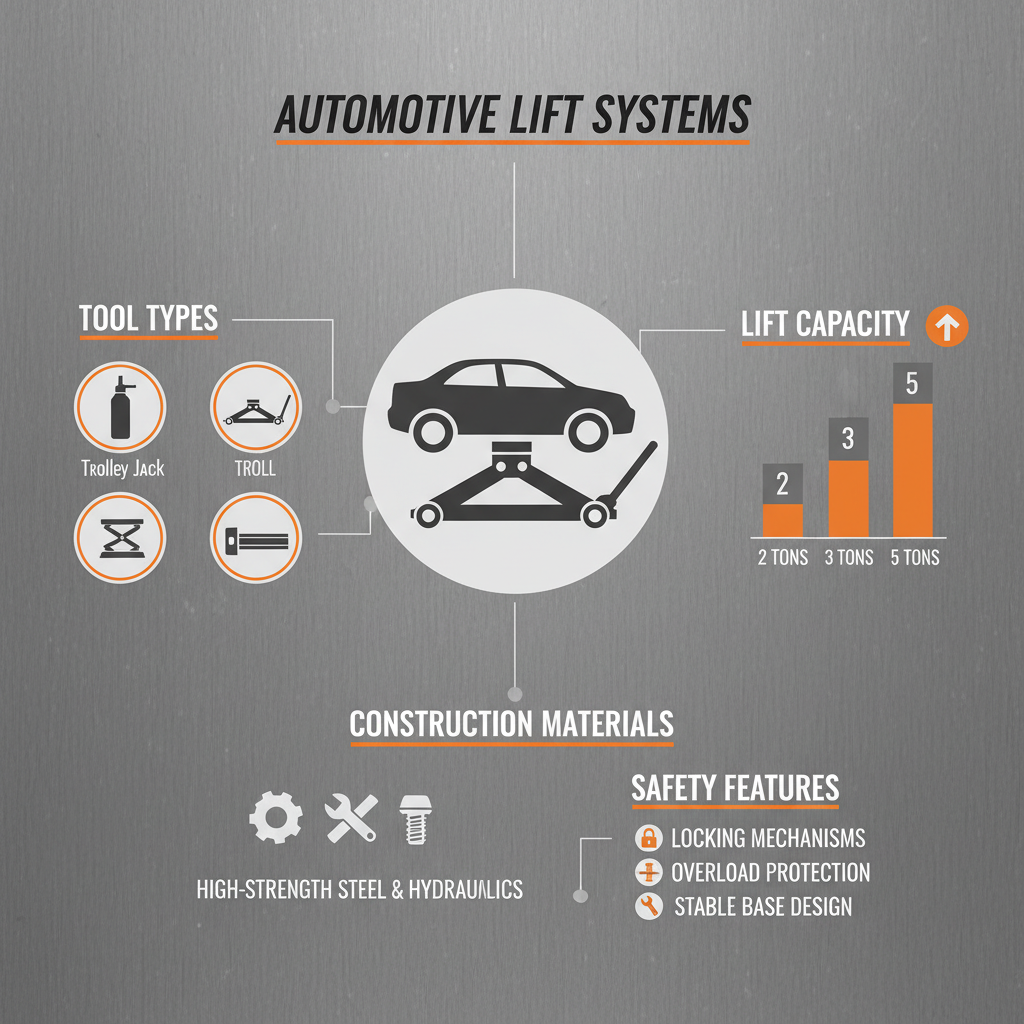
A car shop jack is far more than just a lifting device; it is a critical safety component within an auto repair shop. Its proper functionality directly impacts the wellbeing of technicians and the integrity of vehicle repairs. Investing in high-quality jacks ensures a stable and reliable lifting process, minimizing the risk of accidents and potential damage to the vehicle.
Furthermore, the efficiency gains from using a robust car shop jack translate into faster turnaround times for repairs. This allows shops to service more vehicles, increasing profitability and customer satisfaction. The ease of operation, combined with a wide lifting range, streamlines workflows and reduces technician strain.
FAQS
When selecting a car shop jack, it's crucial to choose one with a weight capacity exceeding the heaviest vehicle you anticipate lifting. Always factor in a safety margin of at least 20%. Check the vehicle’s gross vehicle weight rating (GVWR) and ensure the jack's capacity surpasses it. Using a jack with insufficient capacity is extremely dangerous and can lead to accidents and equipment failure.
Regular inspection is vital. Before each use, check for leaks in the hydraulic system, damaged hoses, and any signs of corrosion or wear on the lifting mechanism. Inspect the saddle and handle for cracks or deformation. Conduct a thorough inspection at least once a month, even if the jack isn't frequently used. Maintain a log of inspections to ensure consistency.
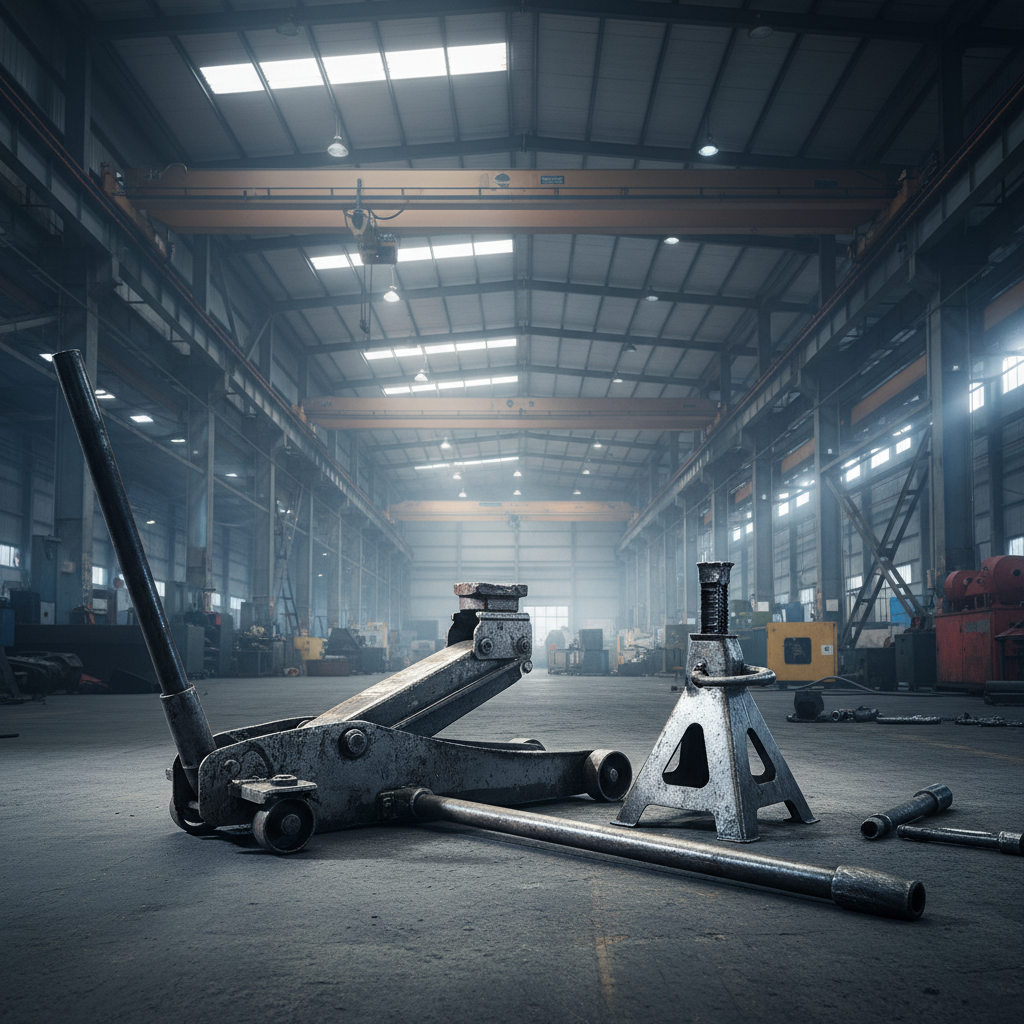
Never work under a vehicle supported only by a car shop jack. Always use properly rated jack stands as a secondary support. Position jack stands on solid, level surfaces and under designated reinforcement points of the vehicle’s frame. Lower the vehicle onto the jack stands slowly and ensure they are securely engaged before beginning work.
Most car shop jacks require a specific type of hydraulic fluid, typically a high-viscosity mineral oil. Check your jack’s owner’s manual for the manufacturer's recommended fluid type. Using the wrong fluid can damage the seals and reduce the jack’s performance. Avoid using brake fluid or other automotive fluids as substitutes.
Store your car shop jack in a clean, dry environment, protected from direct sunlight and extreme temperatures. Lower the jack completely to prevent hydraulic fluid from settling and potentially damaging the seals. Ensure the jack is stable and won't be accidentally tipped over.
Floor jacks offer greater stability and ease of use, utilizing a long handle for pumping. They're ideal for general automotive repair tasks. Bottle jacks are more compact and can lift heavier loads in a smaller space, but require more pumping effort and have a less stable base. Choose the type based on the specific applications and space constraints of your shop.
Conclusion
In conclusion, a car shop jack is a cornerstone of any successful automotive repair operation. Its importance extends beyond simple lifting; it’s inextricably linked to technician safety, repair quality, and operational efficiency. Understanding the various types, key characteristics, and future trends in jack technology is essential for staying competitive in a rapidly evolving industry. By prioritizing quality, safety, and proper maintenance, shops can maximize the benefits of this crucial piece of equipment.
Looking ahead, continued innovation in automation, materials science, and data analytics promises to further enhance the performance and safety of car shop jacks. Investing in modern equipment and prioritizing technician training will be key to adapting to the evolving demands of the automotive repair landscape. Visit our website at www.lgautorepairtool.com to explore our range of high-quality jacks and accessories.
Related Posts
-
Elevating Automotive Safety and Efficiency with the Right Car Jack Up System
-
Find HighQuality Car Jacks for Sale and Automotive Lifting Solutions
-
Find the Right Heavy Duty Car Jack for Sale and Enhance Your Lifting Capabilities
-
Invest in a Safe and Reliable Car Jack and Jack Stand Combo for Automotive Projects