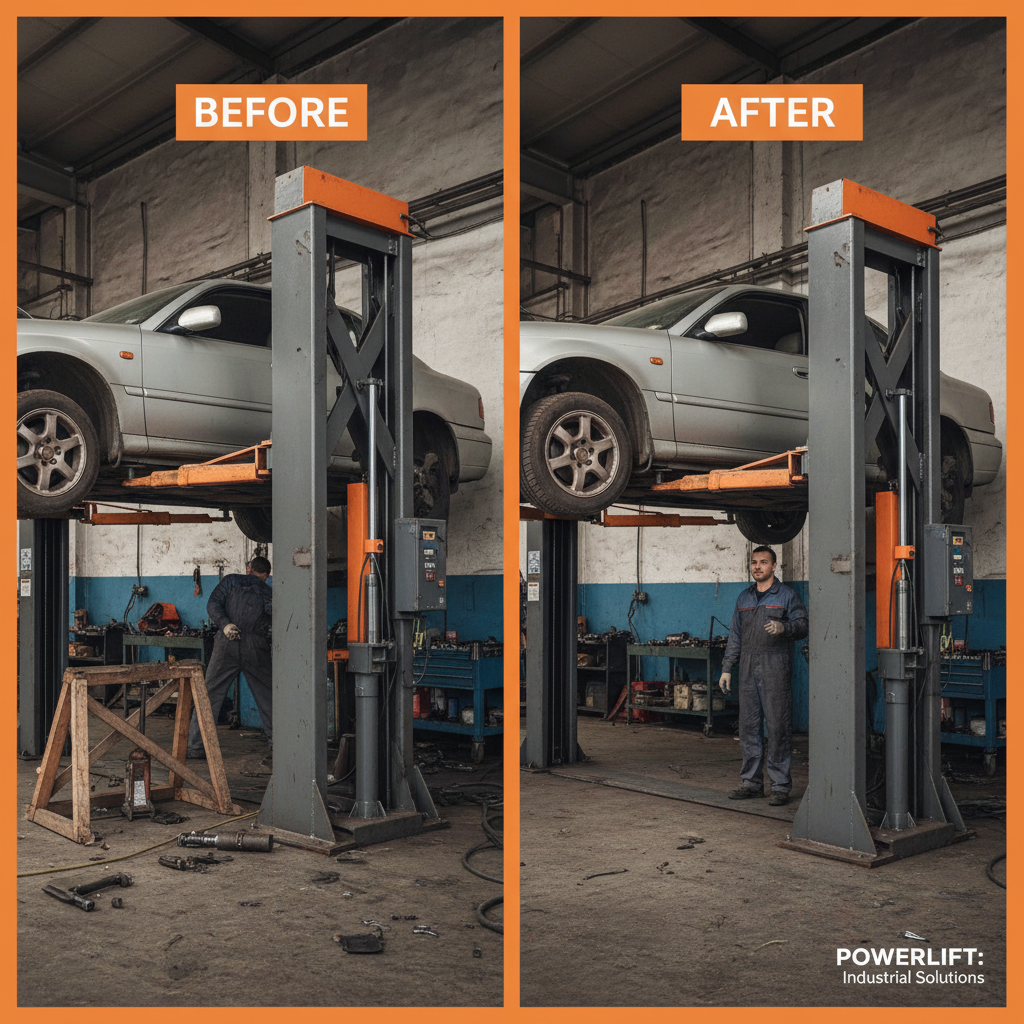
A robust car jack and jack stand combo is indispensable for any automotive enthusiast or professional mechanic. It ensures safety and stability when working beneath a vehicle, transforming routine maintenance tasks and complex repairs from potential hazards into manageable projects. This isn’t merely about lifting a car; it's about providing a secure working environment, enhancing efficiency, and ultimately, protecting lives.
The global demand for reliable automotive tools, including the car jack and jack stand combo, is consistently high, driven by the sheer number of vehicles on the road – exceeding 1.4 billion worldwide according to Statista in 2023. The automotive aftermarket is a multi-billion dollar industry, and safety equipment forms a crucial segment. However, substandard or improperly used lifting equipment contributes to accidents, highlighting the critical need for quality tools and education.
Investing in a quality car jack and jack stand combo isn’t just about immediate functionality. It’s about long-term safety, project success, and avoiding costly injuries or vehicle damage. From DIY weekend warriors to professional technicians, a dependable lifting setup is a cornerstone of any automotive workspace, providing peace of mind and ensuring work can be performed with confidence.
The Importance of a Car Jack and Jack Stand Combo
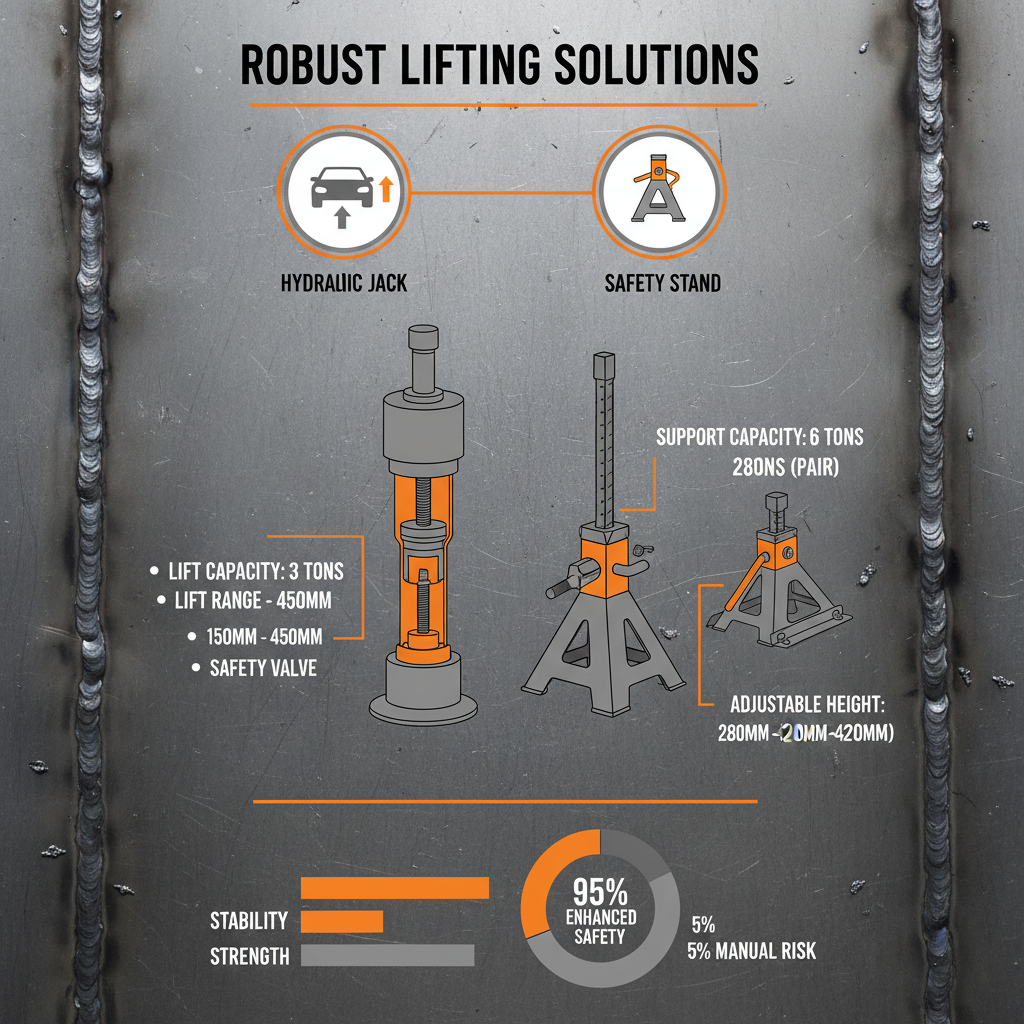
Using only a car jack to support a vehicle is incredibly dangerous. Jacks are designed for lifting, not for sustained support. They can slowly lower, or unexpectedly fail, potentially causing serious injury or death. A car jack and jack stand combo mitigates this risk by providing a secondary, robust support system. This redundancy is paramount for safety.
The combination allows technicians and DIY enthusiasts to work confidently and securely, knowing the vehicle is safely and stably supported. Investing in a quality combo is an investment in personal safety and the prevention of potentially catastrophic accidents. Proper setup and adherence to safety guidelines are, of course, equally important.
FAQS
Always choose a combo with a weight capacity that exceeds your vehicle’s gross vehicle weight rating (GVWR). A good rule of thumb is to add at least 25% to the GVWR to provide a safety margin. Checking your vehicle's owner's manual is the best way to determine the GVWR. Using equipment with insufficient capacity is extremely dangerous and can lead to catastrophic failure.
While aluminum jack stands offer the benefit of being lightweight, they generally have a lower weight capacity than steel stands. High-quality aluminum stands are safe if they are rated for the weight of your vehicle. However, for heavier vehicles (trucks, SUVs), steel stands are typically the preferred choice due to their superior strength and durability. Always prioritize weight capacity over material.
Inspect your car jack and jack stand combo before every use. Check for signs of damage, such as rust, cracks, or bent components. Inspect the hydraulic fluid level in the jack and look for any leaks. Ensure the locking mechanisms on the stands are functioning correctly. Regular maintenance extends the life of your equipment and ensures safety.
Always position jack stands on solid, level surfaces. Use designated reinforced jacking points on the vehicle’s frame – consult your owner’s manual for these locations. Never place a jack stand directly under body panels or suspension components. Ensure the stands are securely locked in place before removing the jack.
Absolutely! Wheel chocks are highly recommended as an extra safety precaution. Place them behind the wheels that remain on the ground to prevent the vehicle from rolling. This provides a secondary level of security, minimizing the risk of accidents, especially when working on a sloped surface.
A bottle jack is a compact, vertical jack that uses hydraulic pressure. It’s generally more affordable but has a slower lifting speed and requires more effort. A floor jack is a horizontal jack with a long handle for easier pumping and faster lifting. Floor jacks are typically more expensive but offer greater convenience and efficiency. For most automotive work, a floor jack is the preferred choice.
Conclusion
In conclusion, a reliable car jack and jack stand combo is an indispensable tool for any automotive work, prioritizing safety and enabling efficient repairs. Choosing the right combo – considering weight capacity, durability, and ease of use – is paramount. Remember, investing in quality equipment and adhering to proper safety procedures are non-negotiable.
Looking ahead, continued innovation in materials and design will enhance the safety and convenience of lifting equipment. By embracing these advancements and prioritizing safety best practices, we can ensure a secure and productive working environment for automotive professionals and enthusiasts alike. Visit our website at www.lgautorepairtool.com to explore our comprehensive selection of car jacks and jack stands.