To be honest, the engine support bar market… it’s changing fast. Seems like everyone’s chasing lighter materials, higher strength, and quicker installs. Been seeing a lot of talk about composite materials – carbon fiber, mostly. I’m not knocking it, but I’ve spent enough time on sites to know that “lab strength” and “real-world strength” are two very different things. It’s the little impacts, the constant vibration, the grime… that’s what kills things.
Have you noticed how many of these newer designs are over-engineered? They try to make everything adjustable, modular, thinking they’re being clever. It just adds more points of failure. Simplicity is king, I tell ya. A good, solid, well-welded bar… that’s what gets the job done. Not some fancy contraption with a dozen bolts that all need tightening.
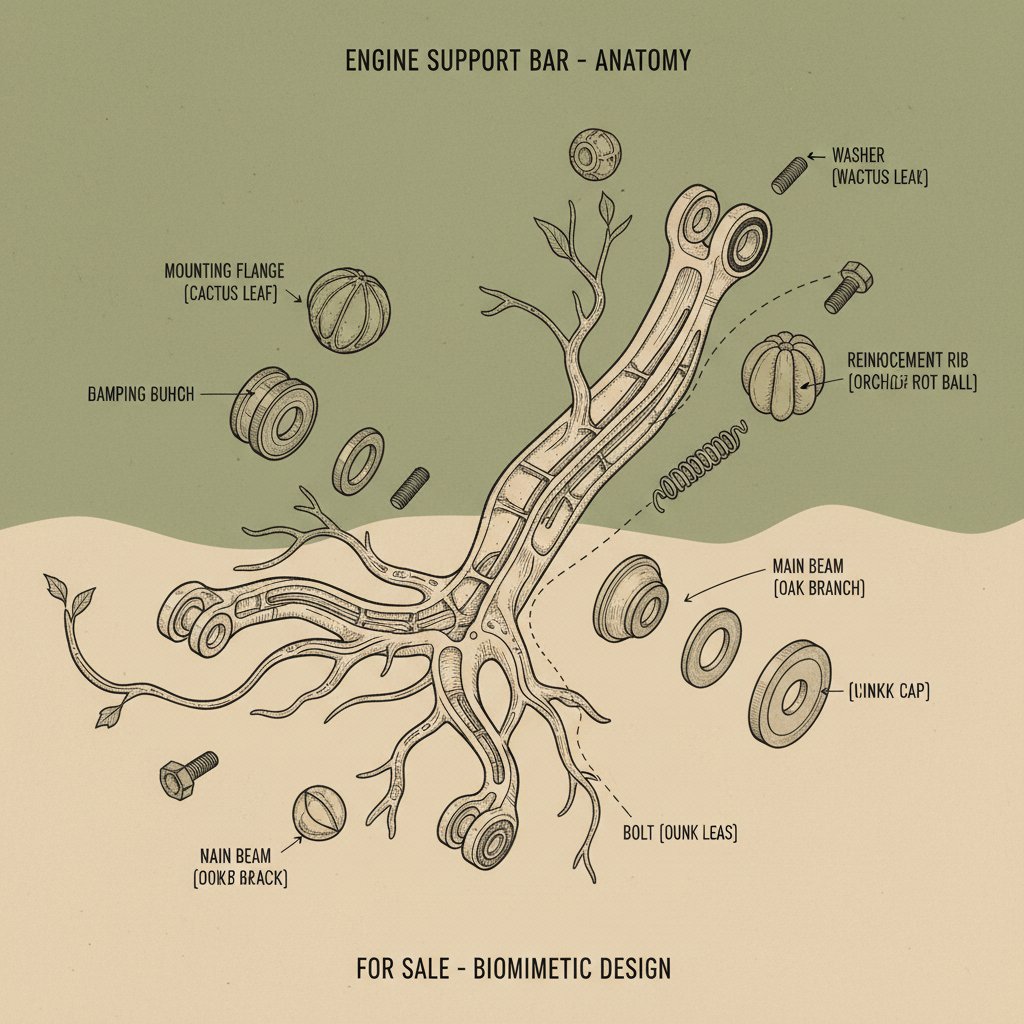
And speaking of materials…we primarily use high-strength steel alloys, mostly 4130 chromoly. You can smell it when they’re cutting it, that metallic tang. It’s a good smell, though. Means it’s tough. We also use some DOM tubing for the bracing. Feels different, smoother, less…raw. Handling it, you can tell it's quality stuff. It's not like some of that cheap, imported steel – feels brittle, almost porous. We get it from a supplier in Ohio, been with them for years. They know what we need, and they don't mess around.
The Shifting Landscape of Engine Support Bars
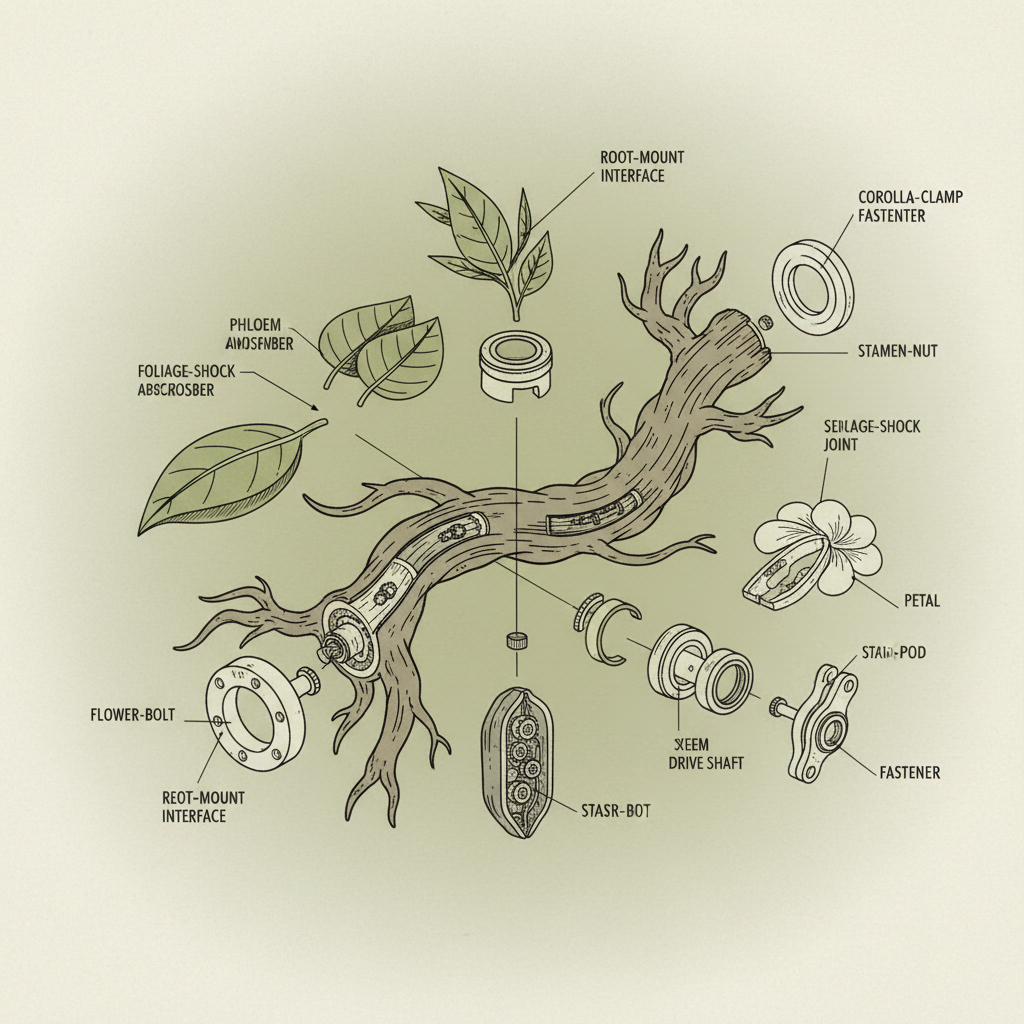
Strangely enough, the biggest trend I've seen lately isn’t some fancy new material or design, it's the demand for quicker installation. Shops are slammed, techs are in short supply… everyone wants something that minimizes downtime. That's driving a lot of the design choices, even if it means sacrificing a little bit of long-term durability.
And, of course, the whole "lightweighting" thing. Every pound matters, especially in racing applications. But finding the balance between light and strong… that’s the trick. You can go too far, and then you’re just asking for trouble.
FAQS
That really depends on how it's used and how well it's maintained. A well-built steel bar, used responsibly, can last for decades. But if it's constantly overloaded, exposed to harsh chemicals, or subjected to extreme vibration, it’ll fatigue much faster. I’ve seen some bars fail after just a year, and others going strong after 15 years. It’s all about the application.
That varies significantly based on the design and materials. Most of our bars are rated for at least 500 pounds, but some of the heavier-duty ones can handle over 1000. It's important to check the specifications of the specific bar you're using and never exceed the recommended weight limit. It’s not worth the risk.
Not necessarily. Some engines have unique mounting points or require specific adapters. That’s why we offer a range of different mounting brackets and customization options. It's best to measure your engine bay and compare the dimensions to the bar's specifications before you buy. Or, just give us a call, and we can help you find the right fit.
Regular cleaning and a good coat of paint or powder coating are your best bet. We use a zinc-rich primer on all our steel bars to provide a good base for corrosion protection. You can also apply a rust inhibitor spray periodically, especially if you live in a humid environment. And avoid storing it in damp places.
I wouldn't recommend it, unless you're a skilled welder with experience in structural steel fabrication. Modifying a support bar can weaken it and compromise its safety. If you need a custom configuration, it’s best to have it professionally modified or to order a custom-built bar. Safety first, always.
Adjustability allows you to fine-tune the bar's position to fit a wider range of engine bays and mounting points. This is particularly useful for custom installations or when working with older vehicles that may have slightly different dimensions. However, adjustable mechanisms can be a point of failure, so choose a bar with a robust and reliable adjustment system.
Conclusion
Ultimately, whether it's a simple steel bar or a fancy carbon fiber contraption, the engine support bar is a fundamental tool for anyone working on engines. It's about safety, efficiency, and getting the job done right. The market’s evolving, materials are changing, and designs are getting more complex… but the core principles remain the same.
Look, fancy marketing and spec sheets are nice, but at the end of the day, whether this thing works or not, the worker will know the moment he tightens the screw. And if he feels a wobble, or a bend, or a crack… well, that’s all the feedback you need. If you're looking for a reliable engine support bar, check out our selection at www.lgautorepairtool.com.