Look, I’ve spent the last fifteen years getting my hands dirty on construction sites, and I’ll tell you one thing: getting a vehicle safely elevated is absolutely critical. It’s not just about changing a tire; it’s about ensuring the safety of the mechanic, the integrity of the work, and preventing costly accidents. The reliability of a car jack up system is paramount, and frankly, I’ve seen too many jobs slowed down – or worse, halted – because of unreliable equipment. It’s the foundation of a lot of what we do.
It's also evolved. We’re moving beyond the basic bottle jacks and scissor jacks. Modern auto repair demands versatility and speed, and that means looking at hydraulic floor jacks, stand jacks, and even more specialized systems. The demand for robust, easily deployable car jack up solutions is growing with the complexity of vehicles and the pressure to maximize shop efficiency. And it’s not just about professional garages; the DIY market is also demanding better tools.
At the end of the day, it all comes down to trust. Mechanics and enthusiasts need to be able to rely on their equipment implicitly. A failure can lead to serious injury or damage, and even a slight wobble can compromise the quality of the repair. That's why selecting the right car jack up, understanding its limitations, and following proper safety procedures are non-negotiable.
The Critical Role of car jack up in Automotive Work
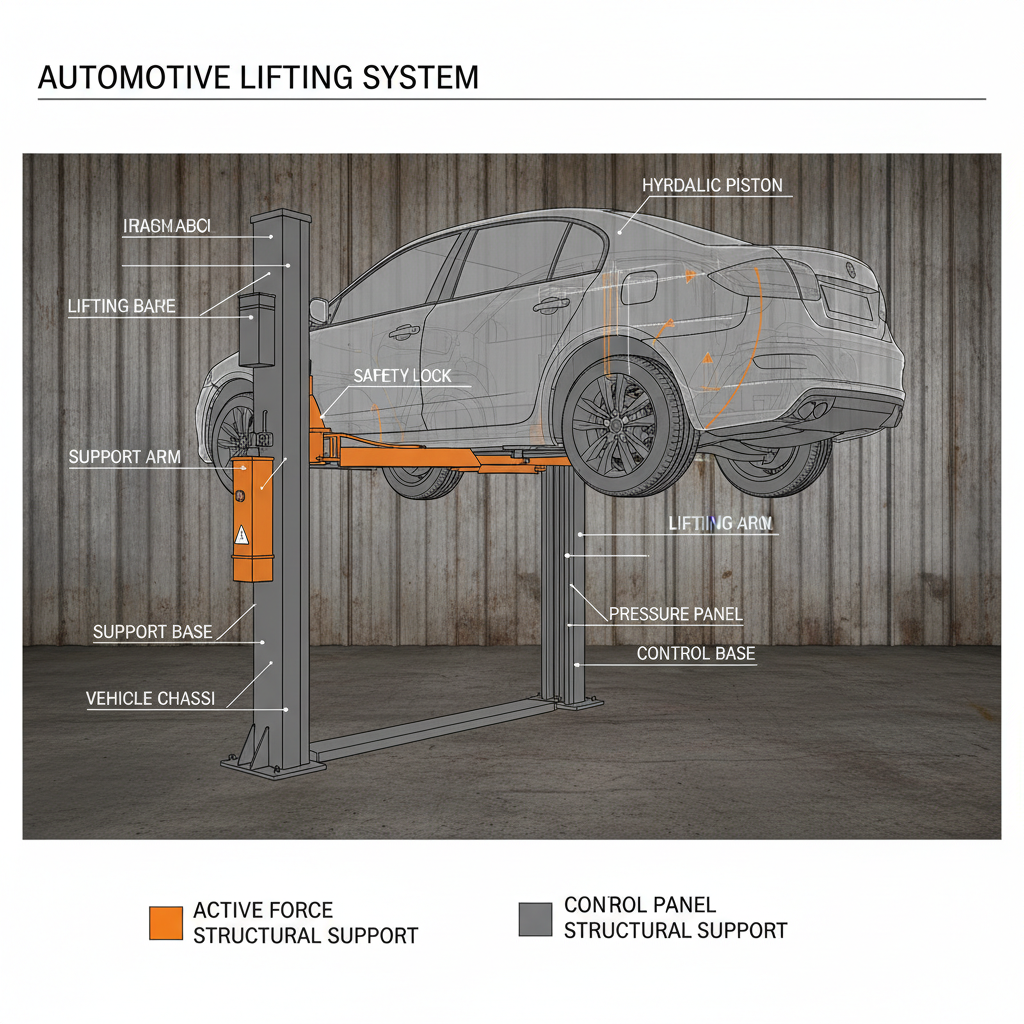
I've seen it all out there – quick fixes turning into major headaches because the vehicle wasn’t properly supported. A reliable car jack up isn't just a convenience; it's a fundamental safety requirement. It allows technicians to safely access and work on the undercarriage of a vehicle, which is where a significant portion of repairs and maintenance take place. Without a stable and secure lift, you're asking for trouble.
The consequences of using a faulty or incorrectly used jack can be severe, ranging from minor injuries to catastrophic vehicle damage, or even fatalities. That’s why understanding load capacity, proper jacking points, and the limitations of different jack types is absolutely essential. It’s about more than just getting the job done; it’s about getting it done safely.
Evolution and Modern Types of car jack up
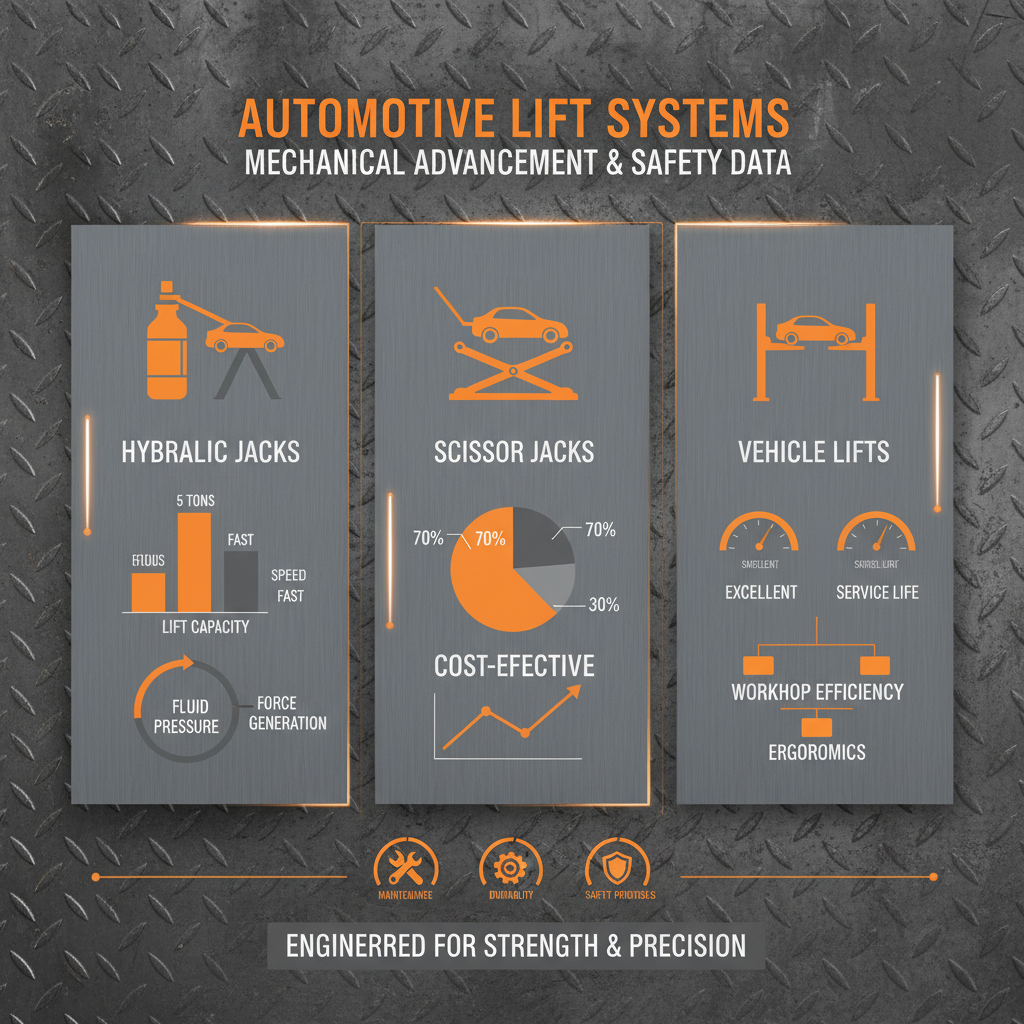
Back in the day, it was mostly hydraulic bottle jacks and scissor jacks. They got the job done, but they were slow, cumbersome, and often lacked the precision needed for more complex work. These days, we’re seeing a shift towards more sophisticated solutions. Floor jacks, for example, offer faster lifting and greater control.
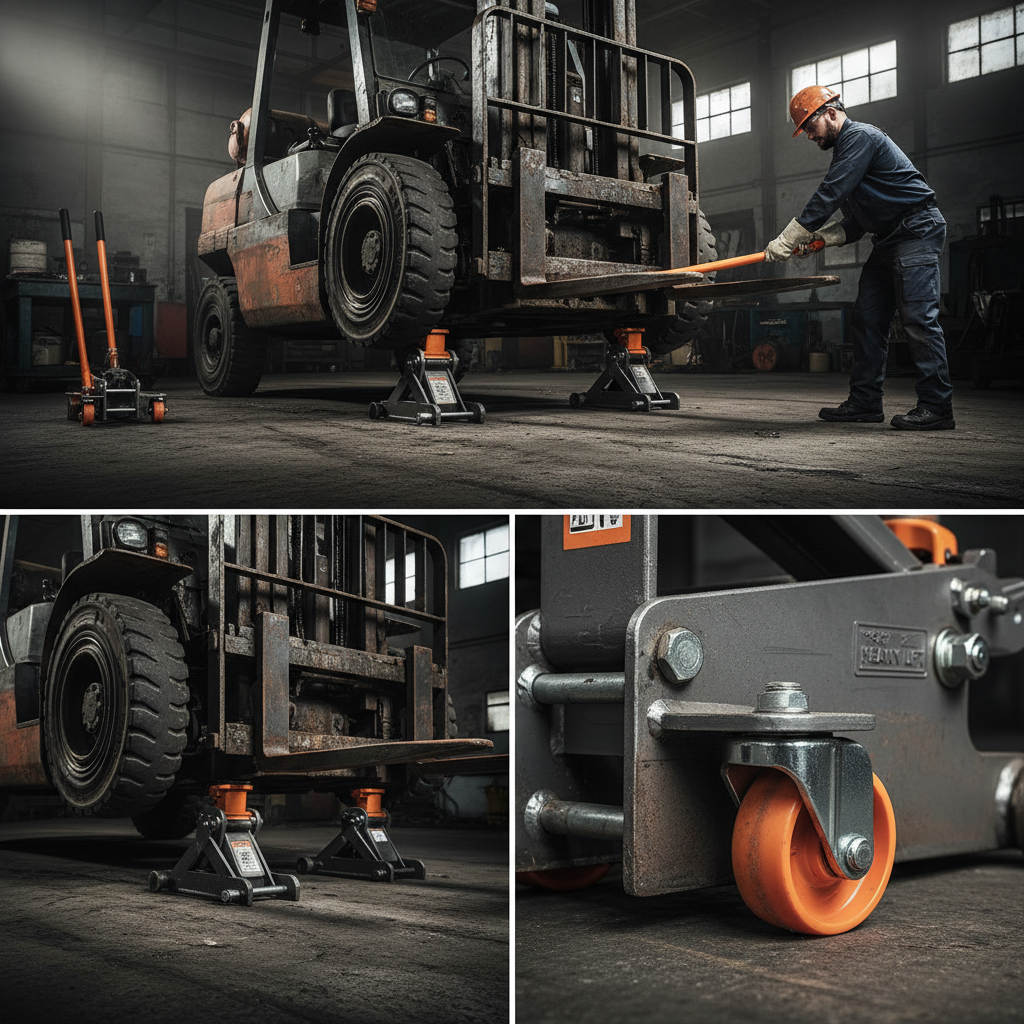
Then you have stand jacks, which provide a very stable platform once the vehicle is lifted. These are a favorite among experienced mechanics for tasks that require extended work under the vehicle. And increasingly, we’re seeing specialized jacks designed for specific vehicles, like SUVs and trucks, which have higher load capacities and unique jacking points.
The trend is towards making the process faster, safer, and more efficient. Modern car jack up systems are designed with features like quick-release valves, safety locks, and durable construction materials to withstand the demands of a busy shop environment.
Safety Considerations and Best Practices for car jack up
Look, I can’t stress this enough: safety first. Always use jack stands. Always. A jack is designed to lift, not to support. Jack stands are your primary safety net. Also, make sure you're jacking the vehicle on a solid, level surface. No gravel, no dirt, and definitely not on a slope.
Before you even think about lifting, consult the vehicle's owner's manual to identify the correct jacking points. Using the wrong location can damage the vehicle's frame or body. And remember to chock the wheels that aren't being lifted. This prevents the vehicle from rolling, which is a serious hazard. A little preparation goes a long way.
Finally, inspect your car jack up regularly for any signs of damage or wear. Hydraulic leaks, bent components, or loose parts are all red flags. Don't risk your safety – replace damaged equipment immediately.
Key Performance Indicators for Evaluating car jack up
When I'm looking at a new car jack up for the shop, I’m not just looking at price. There are several key factors I consider. Load capacity is the most obvious. You need to make sure it can safely lift the heaviest vehicles you’ll be working on.
Lift height is another critical factor. You need enough clearance to comfortably work on the undercarriage. Beyond that, build quality, ease of use, and stability are all important. I also look for features like quick-lift functionality and safety locks.
Comparative Performance of car jack up Types
Global Applications of car jack up Across Industries
It's not just auto repair, you know. car jack up systems are used in a surprisingly wide range of industries. Construction, for example, relies on heavy-duty jacks for lifting and leveling equipment. Manufacturing uses them for assembly and maintenance of machinery.
Even emergency services depend on reliable jacks for vehicle extrication and accident recovery. And in remote areas, where access to specialized equipment is limited, a robust car jack up can be a lifesaver for field repairs.
Advantages and Long-Term Value of Quality car jack up
Investing in a quality car jack up pays off in the long run. It reduces downtime, improves safety, and increases efficiency. A well-maintained jack can last for years, saving you money on replacements.
Beyond the tangible benefits, there’s the peace of mind that comes with knowing you have reliable equipment you can trust. That's invaluable. And a safer work environment leads to increased employee morale and reduced risk of costly accidents.
Future Trends and Innovations in car jack up Technology
I'm seeing a lot of interest in lightweight materials, like aluminum alloys, to make jacks easier to maneuver. And there’s a growing demand for wireless jacks that can be controlled remotely, improving safety and efficiency.
Smart jacks with built-in sensors that monitor load and stability are also on the horizon. These could provide real-time feedback and alerts, further reducing the risk of accidents. And, of course, integration with diagnostic tools and shop management systems is becoming increasingly common.
The focus is on making car jack up systems smarter, safer, and more efficient, ultimately helping technicians get the job done right.
Summary of Key Considerations for car jack up Selection
| Jack Type |
Load Capacity (tons) |
Portability Score (1-10) |
Typical Application |
| Floor Jack |
2-3 |
6 |
General vehicle lifting, tire changes |
| Bottle Jack |
3-5 |
4 |
Heavy-duty lifting, farm equipment |
| Scissor Jack |
1-2 |
7 |
Emergency tire changes, lightweight vehicles |
| Hydraulic Stand Jack |
3-4 |
5 |
Extended undercarriage work, stability |
| Low Profile Jack |
2-3 |
5 |
Low clearance vehicles, sports cars |
| Air Jack |
4-6 |
6 |
Heavy-duty lifting, off-road applications |
FAQS
Floor jacks are typically faster to lift and lower, offering more precise control. Bottle jacks are more compact and often have a higher lifting capacity for their size, but they can be slower and require more effort to operate. Think of a floor jack for routine maintenance and a bottle jack for heavier-duty tasks.
Before every use. Seriously. Check for hydraulic leaks, damaged seals, bent components, and ensure the release mechanism functions correctly. A quick inspection can prevent a catastrophic failure and save you from a potentially dangerous situation.
Absolutely not. Look for jack stands with a wide base for stability, a locking mechanism that securely engages, and a load capacity that exceeds the weight of the vehicle you're working on. Avoid using adjustable jack stands that rely solely on friction to hold the weight.
First, consult your vehicle’s owner’s manual for the correct jacking points. Then, position the jack securely and lift the vehicle to the desired height. Immediately place jack stands under the vehicle’s frame or designated support points. Never work under a vehicle supported only by a jack.
No. Uneven ground compromises the stability of the jack and increases the risk of it tipping over. Always use a car jack on a solid, level surface. If you need to lift a vehicle on an uneven surface, use wood shims to create a stable base.
Store the jack in an upright position to prevent hydraulic fluid from leaking out of the seals. Also, avoid storing it in direct sunlight or extreme temperatures, as this can damage the seals. Periodically cycle the jack up and down to keep the fluid circulating and prevent it from settling.
Conclusion
From the basics of safe lifting to the emerging technologies in jack design, understanding car jack up is crucial for anyone involved in automotive work, construction, or any field requiring reliable vehicle elevation. It’s about more than just a piece of equipment; it’s about safety, efficiency, and getting the job done right.
Investing in quality equipment, adhering to best practices, and staying informed about the latest innovations will ensure that you’re equipped to handle any lifting challenge. Don’t cut corners on safety – it’s the foundation of everything we do. For a wide selection of reliable car jack up systems and accessories, visit our website: www.lgautorepairtool.com