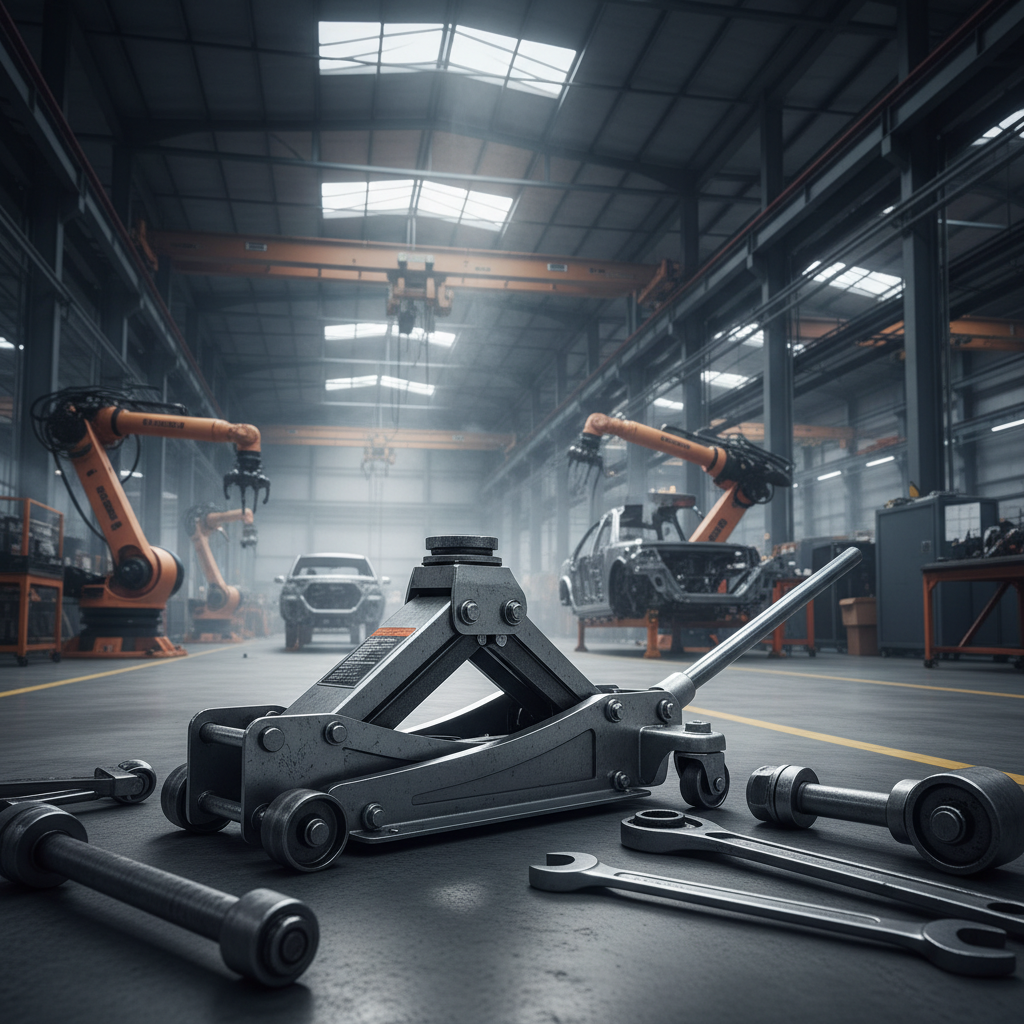
Look, a good car jack isn’t about fancy marketing or slick designs. It's about getting the job done safely and efficiently. After years on sites, wrestling with everything from subcompacts to heavy-duty trucks, I've seen jacks that fail, jacks that wobble, and jacks that just plain frustrate. The core thing is dependability – when you need to lift a vehicle, you need it to hold, no questions asked. This isn’t some garage hobby; it's about technicians' safety and getting vehicles back on the road. A reliable car jack is fundamental to that.
What I've also learned is that “one size fits all” doesn’t really exist. You need options. A lightweight bottle jack for quick changes, a floor jack for more substantial lifts, and sometimes, even a heavy-duty scissor jack for specific situations. It's about having the right tool for the task, and understanding the limitations of each one. We’re talking about thousands of pounds of metal being held aloft – it’s not a place for shortcuts or assuming something “will probably be okay.”
And finally, it’s about durability. Construction sites, auto shops…they’re tough environments. Jacks get dropped, kicked, exposed to grime and weather. A flimsy jack won’t last a month. You need something built to withstand the abuse, something that’s going to be a reliable part of your toolkit for years to come. That’s why I’m always evaluating materials and construction techniques, because those details make all the difference.
The Core Principles of a Quality car jack
A truly good car jack hinges on a few key things. First, it’s stability. You don't want a jack that shifts or wobbles under load, that's just asking for trouble. The base needs to be wide and solid. Second, lifting capacity – it needs to be clearly marked and, more importantly, accurate. Underestimating what you need to lift is a dangerous game.
Then there's the release mechanism. It has to be smooth, controlled, and predictable. A jerky or unpredictable release can damage the vehicle or, worse, cause injury. I've seen too many rushed jobs end badly because of a poorly designed valve. And finally, overall build quality. The steel needs to be thick enough to handle the stress, the welds need to be strong and consistent, and the components need to be durable enough to withstand years of use.
Types of car jack and Their Applications
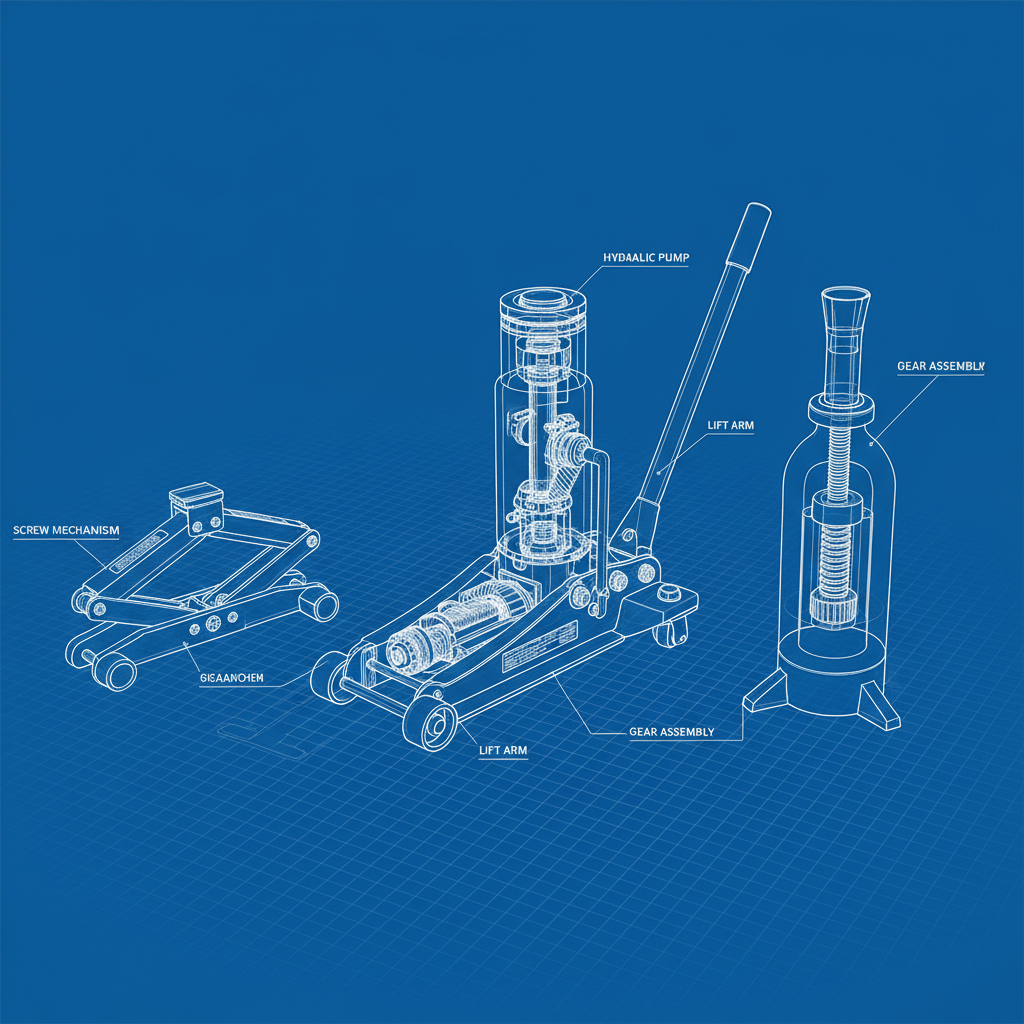
You've got your bottle jacks – compact and powerful, great for quick lifts in tight spaces. But they can be unstable, so you need to be careful. Then you have floor jacks, the workhorses of most shops. They offer a good balance of lift height, stability, and ease of use. I personally prefer a good quality floor jack with a long handle for increased leverage.
Scissor jacks are common emergency jacks, but honestly, they're often the weakest link. They're slow, require a lot of effort, and aren't the most stable. I'd only rely on one in a pinch. And then there are specialized jacks, like high-lift jacks for off-road vehicles, or transmission jacks for removing and installing transmissions. Each type has its place, but understanding those distinctions is crucial.
The right car jack will depend on the job and the vehicle. A small sedan doesn’t need the same heavy-duty jack as a full-size pickup truck. Knowing those limitations is vital to the safety of both the technician and the vehicle.
Material Science and Durability in car jack Construction
The steel used in a car jack is critical. You want high-strength steel that can withstand tremendous pressure and stress without cracking or bending. I've seen cheaper jacks made with inferior steel that literally fail under load. That's not just inconvenient, it's incredibly dangerous.
Beyond the steel itself, the welding is hugely important. Poor welds are weak points that can give way under stress. Look for jacks with consistent, clean welds that are fully penetrated. Also, the quality of the hydraulic seals matters. Leaks can reduce lifting capacity and create a mess, but more importantly, they can lead to jack failure.
Even the paint or coating can impact durability. A good coating protects the steel from rust and corrosion, extending the life of the jack. I always recommend a jack with a robust powder coat finish. It holds up much better to the abuse of a shop environment.
Performance Metrics and Safety Ratings of car jack
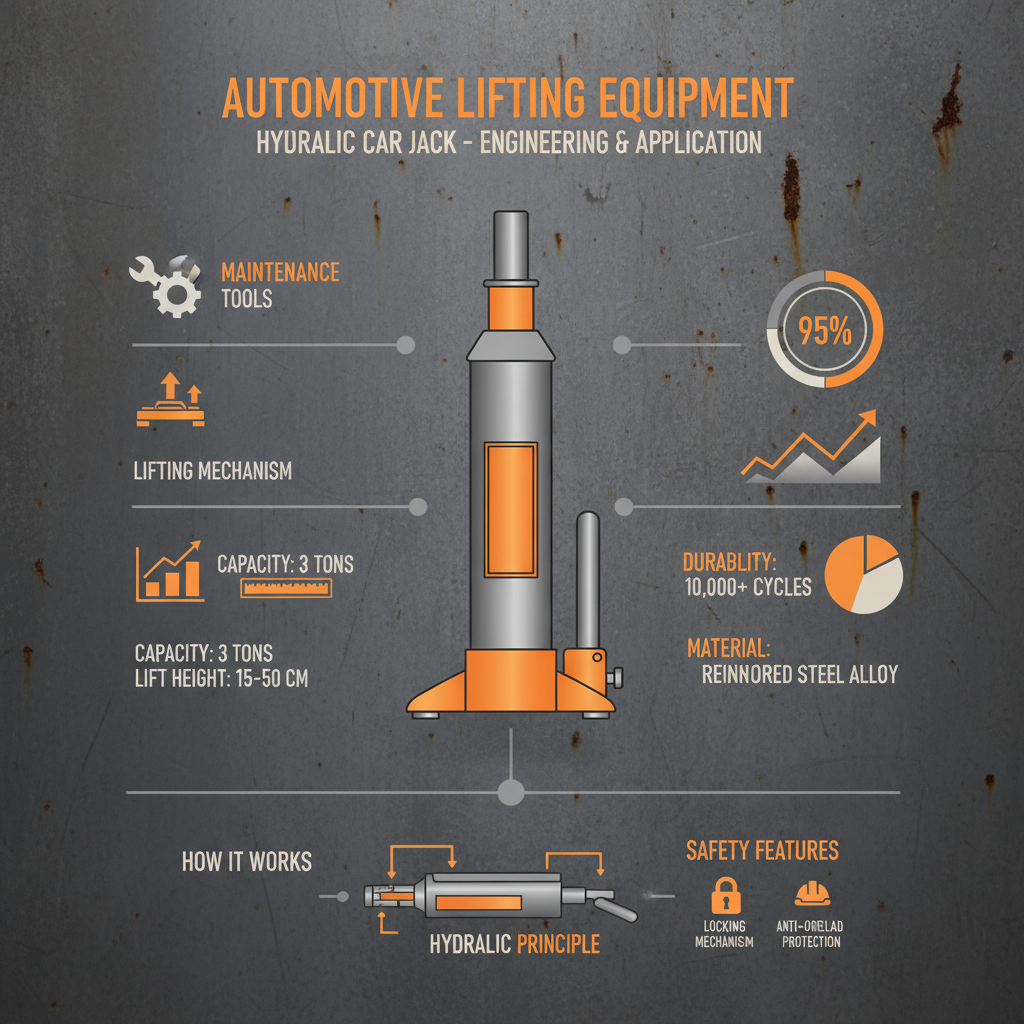
When it comes to car jack performance, the minimum lift capacity is the first thing to check. It needs to exceed the weight of the heaviest vehicle you'll be working on. Lift height is also important – you need enough clearance to comfortably work on the vehicle.
But it's not just about numbers. Stability under load is paramount. Some jacks have a wider base or a lower center of gravity, which significantly improves stability. And a good release valve should provide smooth, controlled lowering, preventing sudden drops.
car jack Performance Ratings
Global Industry Applications for car jack
Car jacks aren't just for auto shops. They're essential tools in countless industries, from construction and manufacturing to mining and emergency services. On construction sites, they’re used to level equipment and perform maintenance. In manufacturing, they’re used to lift and position heavy components.
Emergency responders rely on car jacks to stabilize vehicles after accidents and rescue trapped occupants. Mining operations use them for equipment repair and maintenance in remote locations. And even the military utilizes them for vehicle maintenance and recovery.
The Long-Term Value and Cost Considerations of car jack
Cheap car jacks might seem tempting upfront, but they almost always end up costing more in the long run. They break down faster, require more frequent repairs, and can even pose a safety hazard. Investing in a high-quality jack is a smart move, even if it costs a bit more initially.
Think about the total cost of ownership – the price of the jack, plus the cost of repairs, replacements, and potential downtime. A durable jack that lasts for years will ultimately save you money and headaches. Plus, a reliable jack contributes to the safety and efficiency of your operation, which is priceless.
Beyond the financial aspects, there's the peace of mind that comes with knowing you have a tool you can rely on. That's worth a lot, especially when you're working with heavy machinery.
Future Trends and Innovations in car jack Technology
We’re starting to see some interesting developments in car jack technology. Lighter-weight materials, like aluminum alloys, are becoming more common, making jacks easier to maneuver. Electric and hydraulic jacks are gaining popularity, offering increased convenience and precision.
Smart jacks with built-in sensors and safety features are also on the horizon. These jacks could automatically detect overload conditions and prevent accidental lowering. And wireless control systems could allow technicians to operate jacks remotely, increasing safety and efficiency.
The integration of AI and machine learning could also lead to predictive maintenance, allowing jacks to alert users to potential problems before they occur. These innovations will make car jacks safer, more efficient, and more reliable than ever before.
Summary of Factors Affecting car jack Longevity
| Material Quality |
Usage Frequency |
Environmental Exposure |
Maintenance Schedule |
| High-grade steel (8/10) |
Daily use (4/10) |
Outdoor/Harsh (3/10) |
Monthly lubrication (7/10) |
| Aluminum alloy (6/10) |
Weekly use (6/10) |
Indoor/Moderate (7/10) |
Annual inspection (5/10) |
| Cast iron (4/10) |
Occasional use (8/10) |
Dry storage (9/10) |
As needed (3/10) |
| Stainless steel (9/10) |
Daily use (4/10) |
Outdoor/Harsh (7/10) |
Bi-annual lubrication (8/10) |
| Carbon steel (5/10) |
Weekly use (6/10) |
Indoor/Moderate (6/10) |
Semi-annual inspection (6/10) |
| High-strength alloy (10/10) |
Daily use (4/10) |
Outdoor/Harsh (8/10) |
Regular inspection & lubrication (9/10) |
FAQS
Most standard floor jacks have a weight capacity ranging from 2 to 3 tons (4,000 to 6,000 lbs). It's crucial to check the specific jack’s label, as exceeding the weight limit can lead to failure and serious injury. Always choose a jack with a capacity exceeding the weight of the vehicle you plan to lift. Overestimating is always safer than underestimating.
You should inspect your car jack before every use. Look for any signs of damage, such as cracks, leaks, bent components, or worn seals. Regularly lubricate moving parts and check the hydraulic fluid level. A thorough annual inspection by a qualified technician is also recommended. Catching problems early can prevent a catastrophic failure.
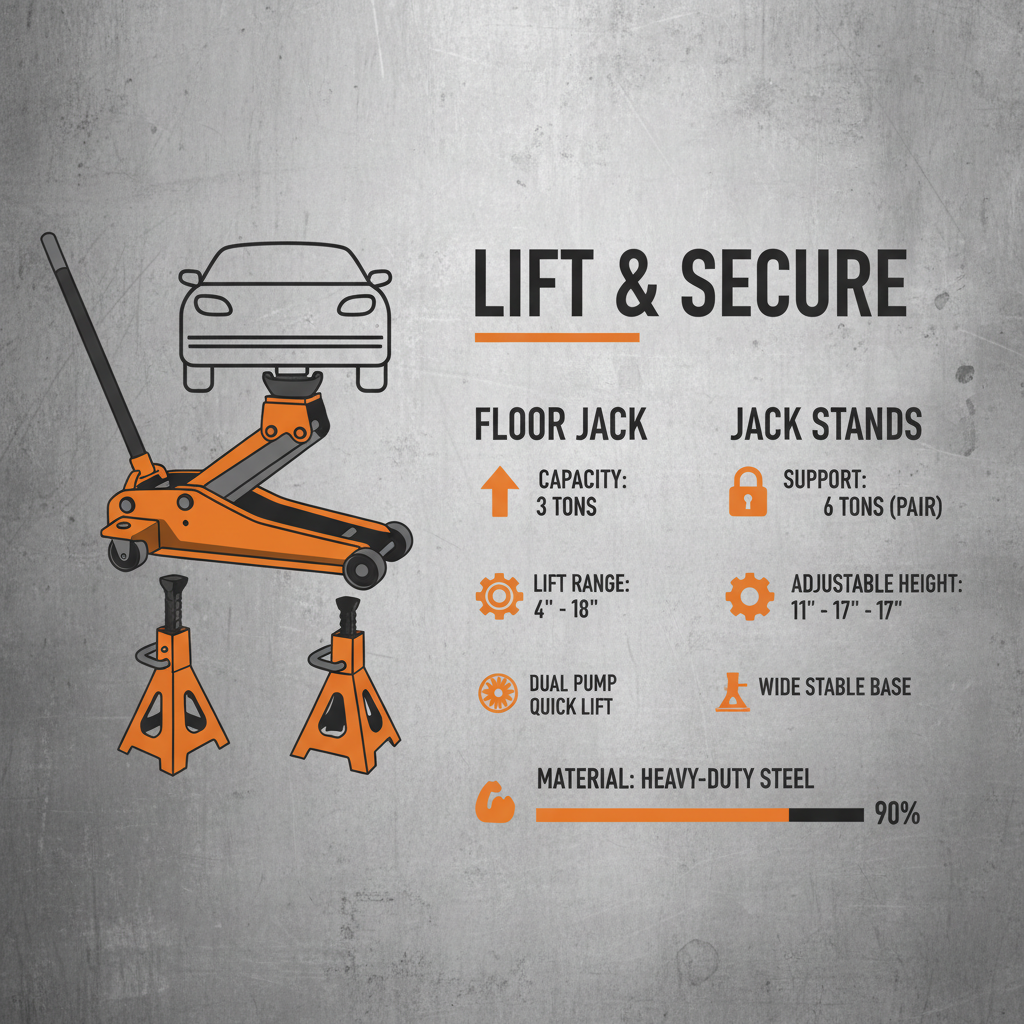
Always use jack stands in conjunction with a car jack. Never work under a vehicle supported only by a jack. Park on a level surface, engage the parking brake, and chock the wheels. Ensure the jack is positioned correctly on a designated lifting point on the vehicle’s frame. And always refer to your vehicle’s owner’s manual for specific lifting instructions.
A bottle jack is compact and powerful, utilizing a vertical cylinder to lift heavy loads. It’s ideal for tight spaces but can be less stable. A floor jack has a longer handle for increased leverage and a wider base for greater stability. It's easier to use and more versatile, making it a staple in most auto shops. The best choice depends on the application and available space.
Repairing a leaking hydraulic car jack can be tricky and often requires specialized tools and knowledge. While some minor seal replacements can be done DIY, it’s generally recommended to have it professionally repaired or replaced. Improper repairs can compromise the jack’s structural integrity and lead to dangerous failures.
Store your car jack in a clean, dry environment, protected from the elements. Avoid storing it directly on the floor, as this can lead to rust and corrosion. Regularly wipe down the jack to remove dirt and grime, and apply a light coat of lubricant to moving parts. Proper storage can significantly extend its lifespan.
Conclusion
Ultimately, a car jack is more than just a tool; it’s a critical piece of safety equipment. Understanding the different types, the materials they’re made from, and the proper safety procedures is essential for anyone working on vehicles. Investing in a quality jack and maintaining it properly will not only save you time and money in the long run but, more importantly, protect you and those around you.
Looking ahead, the future of car jack technology is promising, with innovations focused on safety, efficiency, and ease of use. By staying informed and embracing these advancements, we can continue to improve the way we work on vehicles and ensure a safer working environment for everyone. For a wide selection of dependable car jacks and related tools, visit our website: www.lgautorepairtool.com