Look, a good car jack 1.5 ton isn’t about fancy features, it’s about getting the job done safely and reliably. I’ve spent enough time under vehicles in muddy fields and cramped garages to know that. It’s the tool you reach for when you absolutely need to lift a vehicle, and when it fails, things go south fast. We’re talking about safety, efficiency, and ultimately, getting people back on the road. The 1.5 ton capacity is a sweet spot – enough for most cars and light trucks without being overkill.
What separates a decent jack from a great one isn't always the price tag, but the build quality and how it performs under pressure. I see a lot of flimsy jacks out there, the kind that flex and wobble, and frankly, they scare me. A solid car jack 1.5 ton is an investment, not an expense. It needs to withstand repeated use, different terrains, and varying weather conditions. That’s what separates the pros from the amateurs.
And it’s not just about the lifting – it’s about the entire process. How quickly can you set it up? How easily can you adjust the height? How stable is it once it’s in place? These are the questions I ask myself when I’m evaluating a jack, and these are the things that matter most to the guys I work with on site.

The Importance of a Robust car jack 1.5 ton
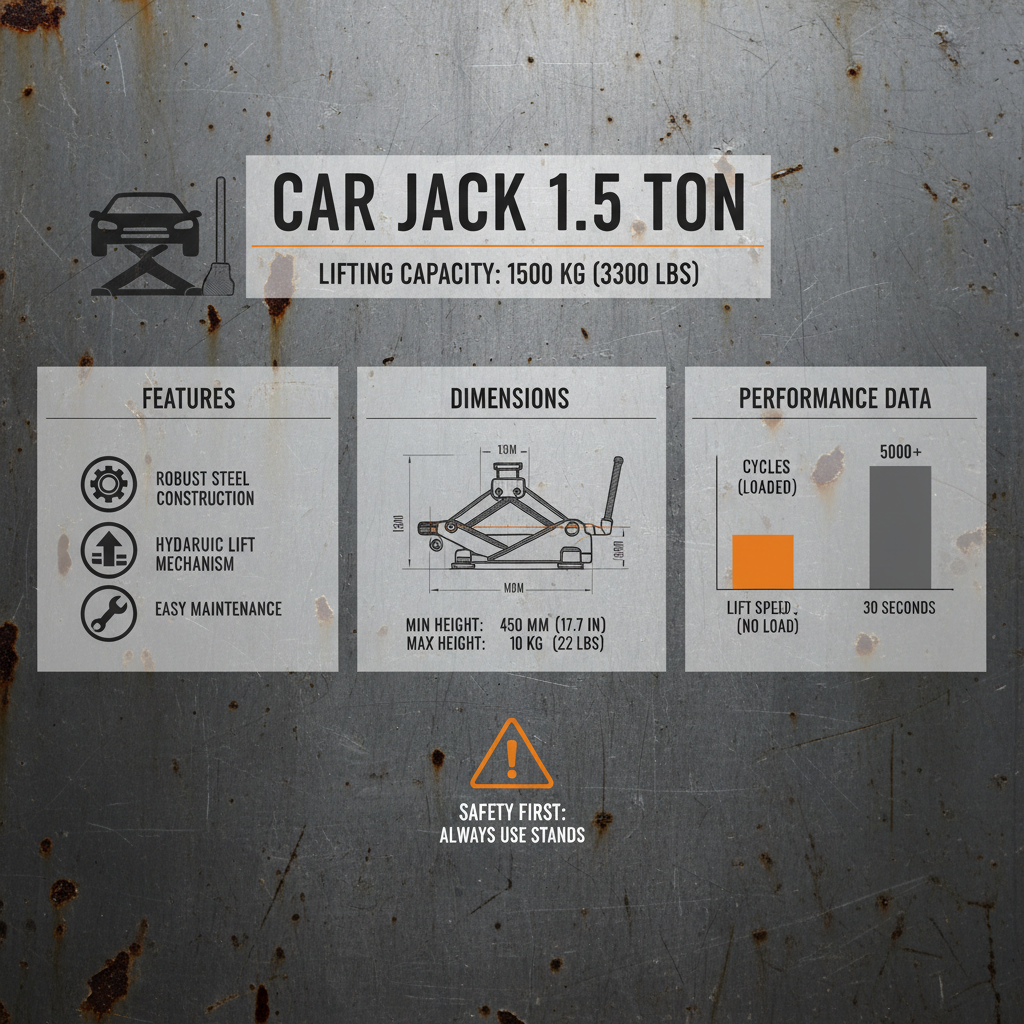
A car jack 1.5 ton isn't just a piece of equipment; it's a critical safety component. The sheer number of vehicles on the road worldwide – over 1.4 billion according to recent UN data – means maintenance and repair are constant needs. A reliable jack is fundamental to that process. It's the first step in everything from tire changes to brake repairs, and if it fails, the consequences can be severe, not just to the vehicle, but to the person working on it.
I've seen too many jobs delayed because someone skimped on a jack. A cheap jack that buckles or slowly lowers can waste valuable time and create a dangerous situation. It’s not just about mechanics; farmers, construction workers, and even everyday drivers need a dependable jack to handle roadside emergencies or perform basic maintenance.
FAQS
A 1.5 ton car jack is designed to safely lift vehicles weighing up to 3,000 pounds (1,360 kilograms). It’s crucial to never exceed this capacity, as it could lead to jack failure and potentially serious injury. Always check the jack’s specifications before use and ensure the vehicle’s weight falls within the recommended limit. Keep in mind that this is a lifting capacity, and you shouldn’t subject the jack to lateral forces or uneven loads.
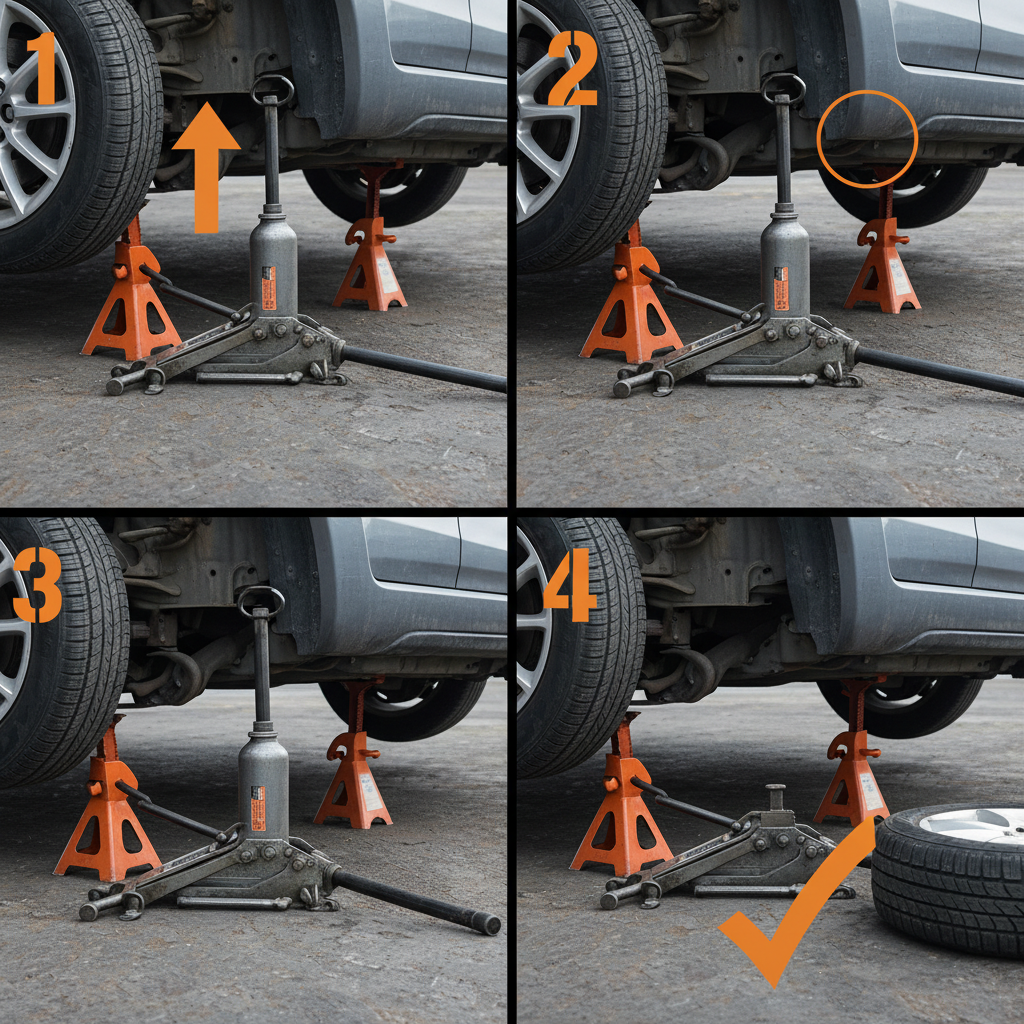
Safety first! Always park on a level surface and engage the parking brake. Consult your vehicle’s owner’s manual to identify designated jacking points—these are reinforced areas of the chassis designed to withstand the lifting force. Position the jack’s saddle firmly under the jacking point, ensuring it’s centered and stable. Never lift the vehicle directly on body panels or suspension components. Always use jack stands after lifting the vehicle to provide secondary support.
Hydraulic jacks require minimal maintenance, but it’s important to keep them in good working order. Regularly check the hydraulic fluid level and top it off if necessary. Inspect the seals for leaks and replace them if damaged. Keep the jack clean and free of debris. Avoid overextending the jack or dropping it, as this can damage the internal components. Store it in a dry environment when not in use.
Absolutely not. The quality of a car jack 1.5 ton can vary significantly. Cheaper jacks often use lower-grade materials and have less precise manufacturing tolerances. Look for jacks with a solid steel construction, a robust hydraulic system, and a stable base. Read reviews and consider brands with a proven reputation for quality and reliability. Paying a little extra upfront can save you a lot of headaches—and potentially prevent a serious accident—down the road.
No, absolutely not. Using a jack with an insufficient capacity is extremely dangerous. Exceeding the jack’s weight limit can cause it to fail, potentially resulting in the vehicle collapsing and causing serious injury or damage. If you need to lift a heavier vehicle, use a jack with a higher capacity. It's always better to err on the side of caution when it comes to safety.
Always use jack stands to support the vehicle after lifting it with the jack. Never work under a vehicle supported only by a jack. Wear safety glasses to protect your eyes from debris. Ensure the jack is positioned on a stable, level surface. Keep bystanders away from the vehicle while it's being lifted. And always consult your vehicle’s owner’s manual for specific jacking instructions. Following these precautions can dramatically reduce the risk of accidents.
Conclusion
From the shop floor to the roadside, the car jack 1.5 ton remains an indispensable tool. Its importance isn’t in flashy technology, but in its reliability, safety, and ability to get the job done. Understanding its core components, proper usage, and the emerging trends in jack technology is crucial for anyone working with vehicles.
Investing in a quality jack isn’t just about buying a tool; it’s about investing in safety, efficiency, and peace of mind. As technology continues to advance, we can expect to see even more innovative and reliable jacks emerge, but the fundamental principles of safe lifting will remain the same. Visit our website at www.lgautorepairtool.com to explore our selection of high-quality car jacks and accessories.
Related Posts