Choosing the Right Car Jack in Car for Roadside Safety and Peace of Mind
Choosing the Right Car Jack in Car for Emergency Roadside Assistance
Being prepared for unexpected roadside emergencies is crucial for every driver. A reliable car jack in car can be a lifesaver when you need to change a flat tire or perform minor repairs. This article will guide you through the different types of car jacks suitable for in-car storage, their features, and how to choose the best one for your needs. We’ll also discuss important safety considerations to ensure you can handle roadside situations confidently and securely. Investing in a quality jack is an investment in your safety and peace of mind.
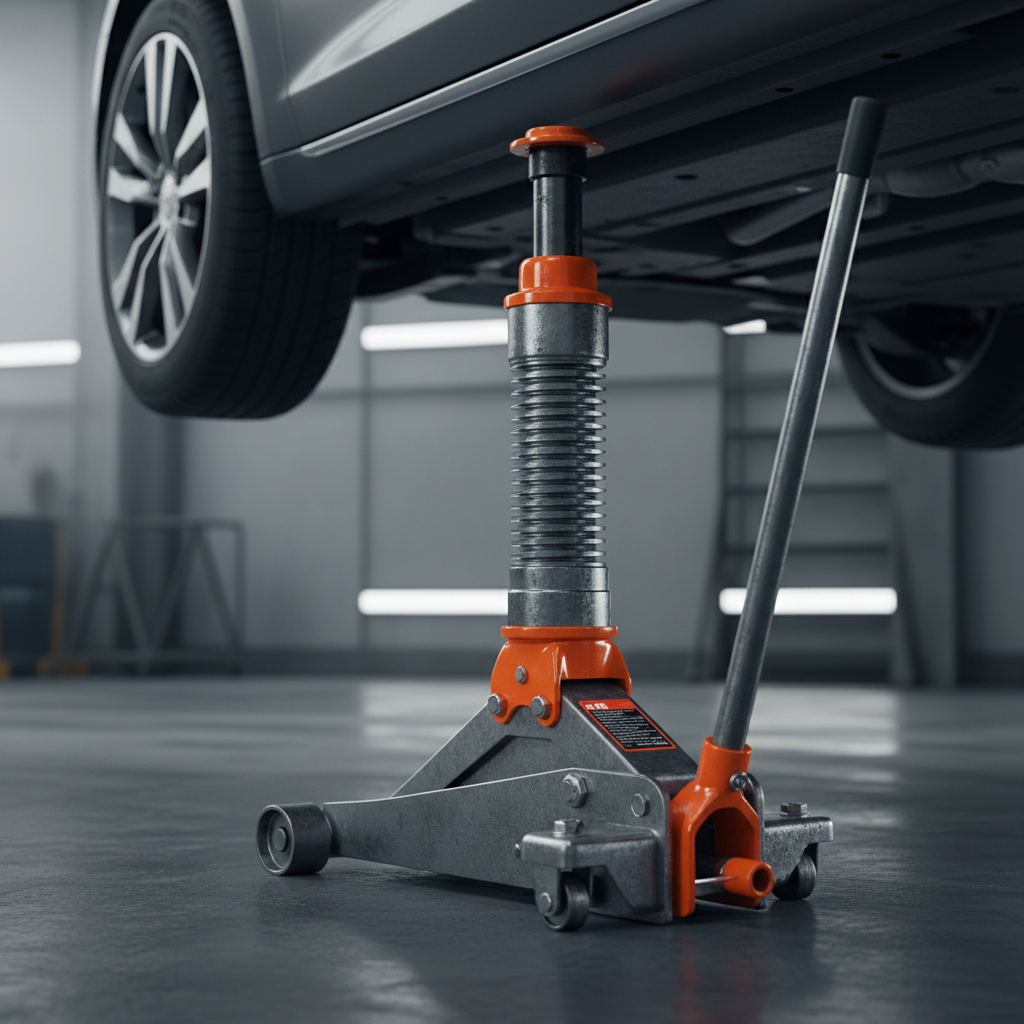
Types of Car Jacks for In-Car Storage
Several types of car jacks are designed for portability and storage in a vehicle. The most common options include bottle jacks, scissor jacks, and electric car jacks. Each type has its own advantages and disadvantages in terms of lifting capacity, ease of use, and storage space. Bottle jacks are known for their high lifting capacity in a compact size, making them suitable for larger vehicles. Scissor jacks are generally lighter and more affordable, often included as standard equipment with new cars. Electric car jacks offer the convenience of automated lifting and lowering but are typically more expensive and require a power source.
Key Consideration: Choosing the right jack depends on your vehicle's weight, your budget, and how much storage space you have available. Consider the ease of use, especially in low-light or emergency situations.
Scissor Jack vs. Bottle Jack: A Detailed Comparison
When deciding between a scissor jack and a bottle jack, it's important to understand their key differences. Scissor jacks are lightweight and generally more affordable, making them a popular choice for standard vehicle emergency kits. However, they require more physical effort to operate and may have a lower lifting capacity. Bottle jacks, on the other hand, offer a higher lifting capacity in a more compact form factor. They utilize hydraulic pressure, requiring less physical effort, but can be slightly heavier and potentially less stable on soft ground. Choosing the right one depends on the size and weight of your vehicle and your personal preference.
Key Differences at a Glance:
• Weight: Scissor jacks are typically lighter than bottle jacks.
• Lifting Capacity: Bottle jacks generally offer a higher lifting capacity.
• Effort Required: Bottle jacks require less physical effort to operate.
• Stability: Bottle jacks can be less stable on soft ground without a solid base.
Features to Look for in a Car Jack
When selecting a car jack, consider features that enhance safety, ease of use, and durability. A stable base is critical to prevent tipping during use. A non-slip handle provides a secure grip, especially in wet or greasy conditions. A smooth lifting mechanism ensures controlled operation. Additionally, look for jacks constructed from high-quality materials that can withstand repeated use and exposure to the elements. A carrying case is also beneficial for convenient storage and transport.
Safety Precautions When Using a Car Jack
Using a car jack requires strict adherence to safety precautions. Always park on a level, stable surface and engage the parking brake. Before lifting the vehicle, chock the wheels that are not being lifted to prevent rolling. Never work under a vehicle supported only by a jack – always use jack stands for additional support. Ensure the jack is positioned correctly on the vehicle's designated lifting points. Familiarize yourself with the jack's instructions before use. Regularly inspect the jack for any signs of damage or wear.
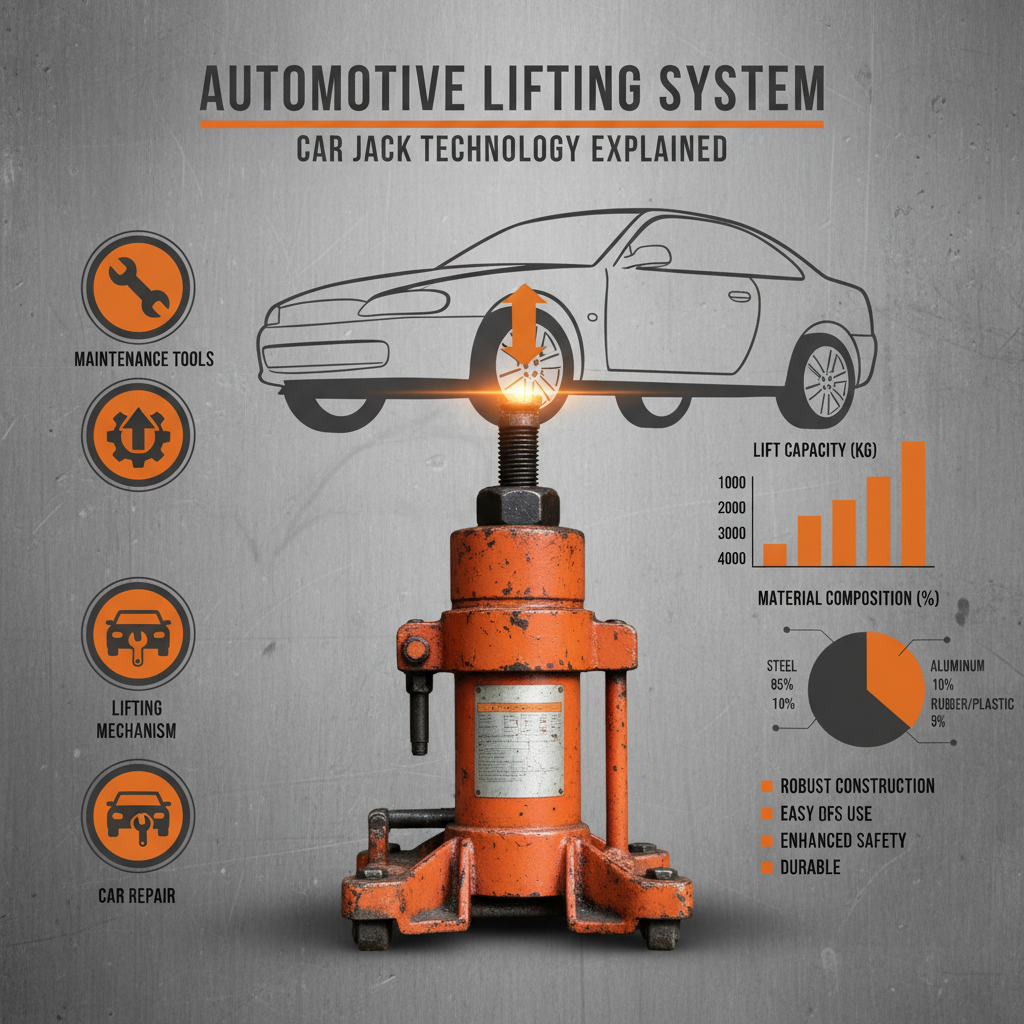
Choosing the Right Car Jack: LG Auto Repair Tool Recommendations
At LG Auto Repair Tool, we offer a range of high-quality car jacks designed for various vehicle types and needs. Our selection includes durable bottle jacks, convenient scissor jacks, and advanced electric car jacks, all rigorously tested for safety and reliability. We provide detailed product specifications and expert advice to help you choose the perfect jack for your vehicle and budget.
Conclusion: Stay Prepared with a Reliable Car Jack
Investing in a quality car jack in car is an essential part of being a responsible driver. By choosing the right jack and following safety precautions, you can confidently handle roadside emergencies and ensure your safety and the safety of others. Explore our selection at LG Auto Repair Tool and drive with peace of mind.
Frequently Asked Questions (FAQs)
What is the lifting capacity I should look for in a car jack?
The lifting capacity of a car jack should always exceed the weight of your vehicle. Check your vehicle's owner's manual for the curb weight. As a general rule, choose a jack with a lifting capacity of at least 1.5 to 2 tons (3,000 to 4,000 lbs) for most passenger cars and SUVs. If you have a heavier vehicle, such as a truck or van, you'll need a jack with a higher lifting capacity. It’s always better to have a jack with a higher capacity than you need to ensure safe operation. Consider the weight of any cargo you might be carrying when determining the necessary lifting capacity.
How do I properly use jack stands with a car jack?
Jack stands are crucial for safety when working under a vehicle. After lifting the vehicle with a jack, position the jack stands under the vehicle's designated support points (typically the frame rails). Lower the vehicle onto the jack stands slowly and carefully. Never work under a vehicle supported only by a jack. Ensure the jack stands are securely positioned and locked in place. Always use a pair of jack stands for stability. Before starting any work, gently rock the vehicle to confirm that it’s stable on the jack stands.
What should I do if the ground is soft when using a car jack?
Soft ground can compromise the stability of a car jack. To address this, use a wide, solid base under the jack to distribute the weight. A piece of wood or a purpose-built jack pad can provide a stable foundation. Avoid using the jack directly on sand, mud, or asphalt that is likely to sink or shift. Ensure the base is level and secure before lifting the vehicle. If the ground is exceptionally soft, consider moving the vehicle to a more stable location before attempting to lift it.
How often should I inspect my car jack?
Regular inspection of your car jack is vital for safety. Before each use, check for any signs of damage, such as cracks, dents, or leaks. Ensure the lifting mechanism operates smoothly and that the handle is secure. Inspect the hydraulic fluid level (if applicable) and replenish if necessary. Also, check the jack's base for any signs of corrosion or wear. If you notice any damage, discontinue use and have the jack inspected or replaced by a qualified professional.
Products categories
-
Car Jack Vehicle Mover Tow Dolly Universal Moving Tool Wheel Towing Trailer tools automatic car jack
-
Professional All kind of Tools with Tool Cabinet, Workshop Trolley Cabinet
-
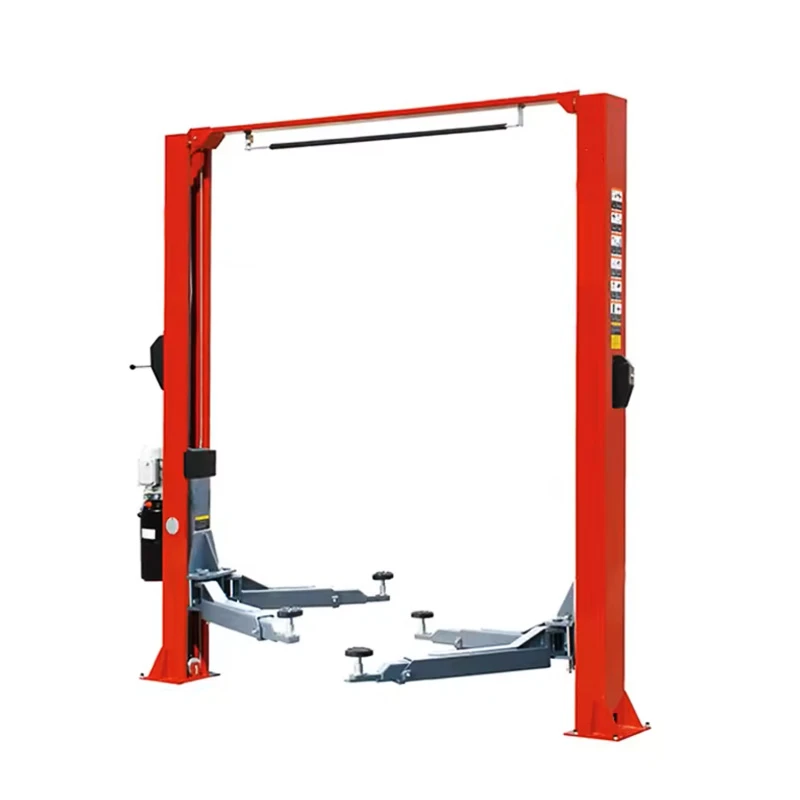
Electric Release Gantry Lifter 5t Two Post Hydraulic Used Truck Car Lifts For Sale
-
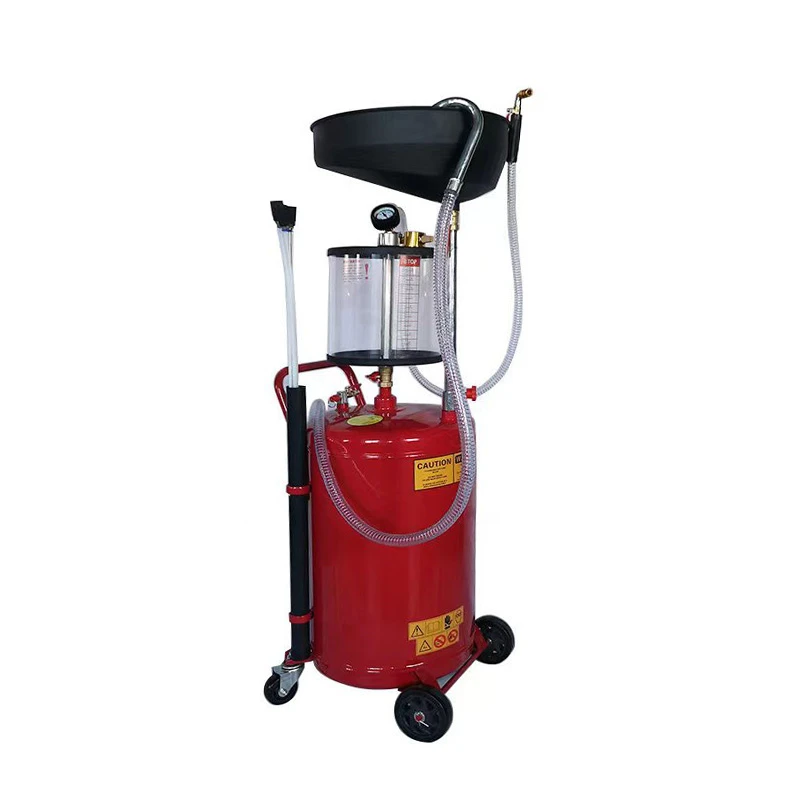
KJ-3197 Pneumatic Oil Extractor Waste Oil Changer Drainer with Lift Tank Auto Repair Tool
-
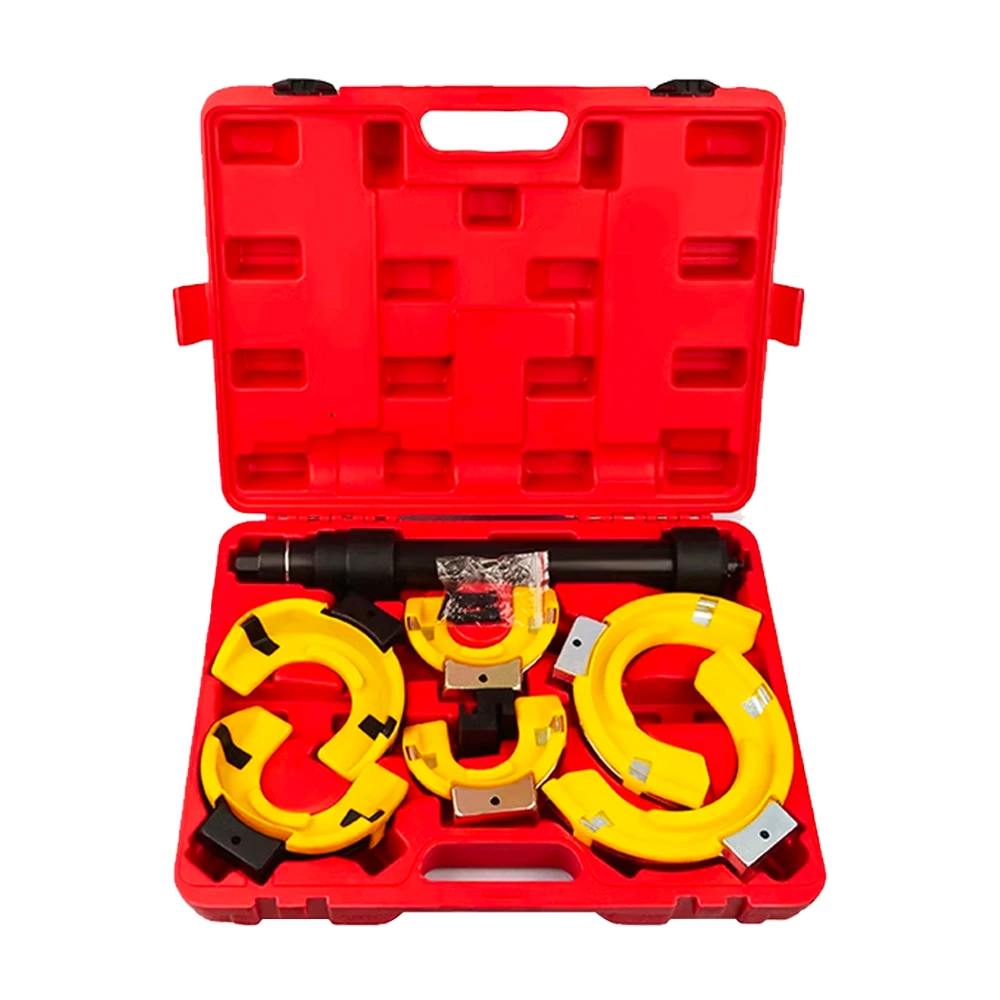
Powerful Spring Dumper Extractor Replaceable Shock Absorb Tools Strong Shock Absorber Spring Compressor Set
-
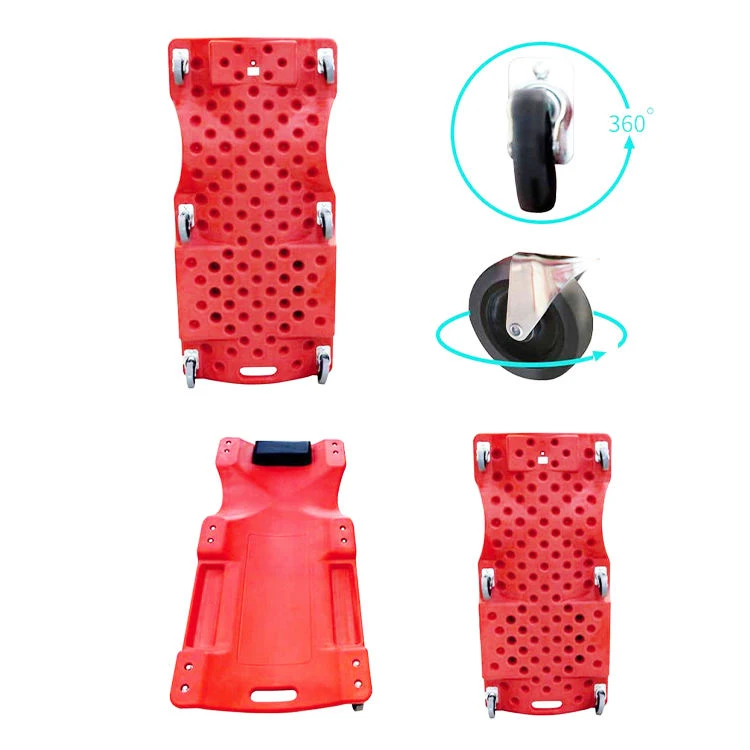
40 Inch 6 Wheel Plastic Workshop Garage Mechanics Tool Creeper Trolley Car Automotive Repair Mechanics Creeper
-
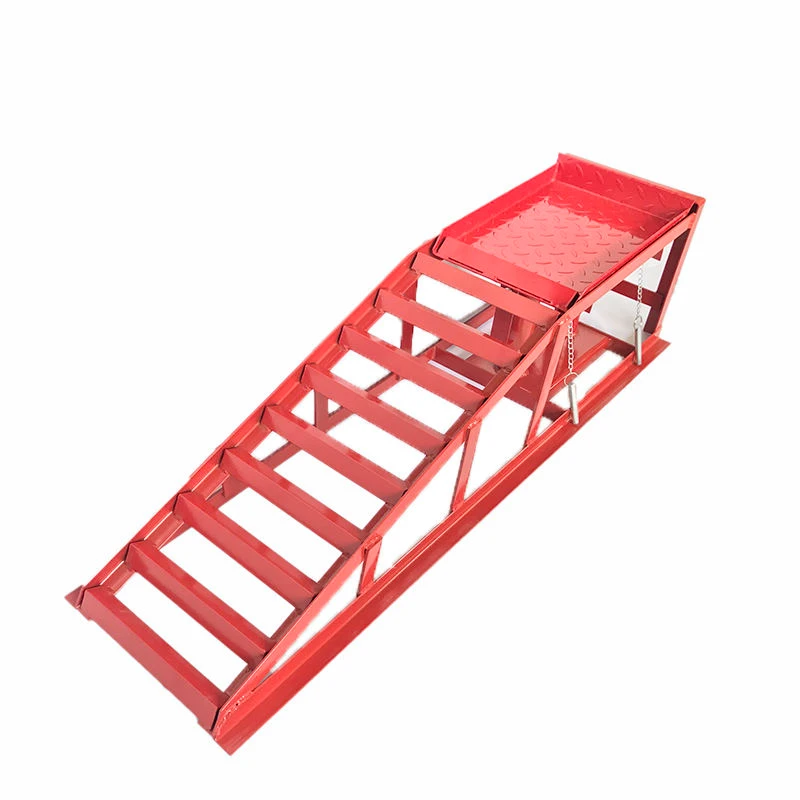
Plastic Car Ramp High Lift Auto Vehicle Car Ramp Portable Car Service Ramps
-
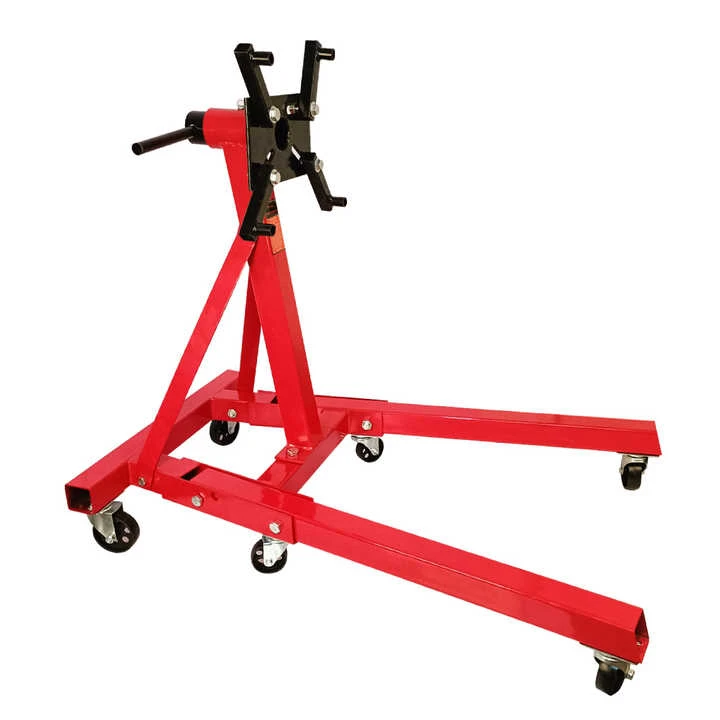
2000lb Car Engine Stand Gate Valve Machine Auto Tools Mechanical Transmission Jack With Stand Operation
-
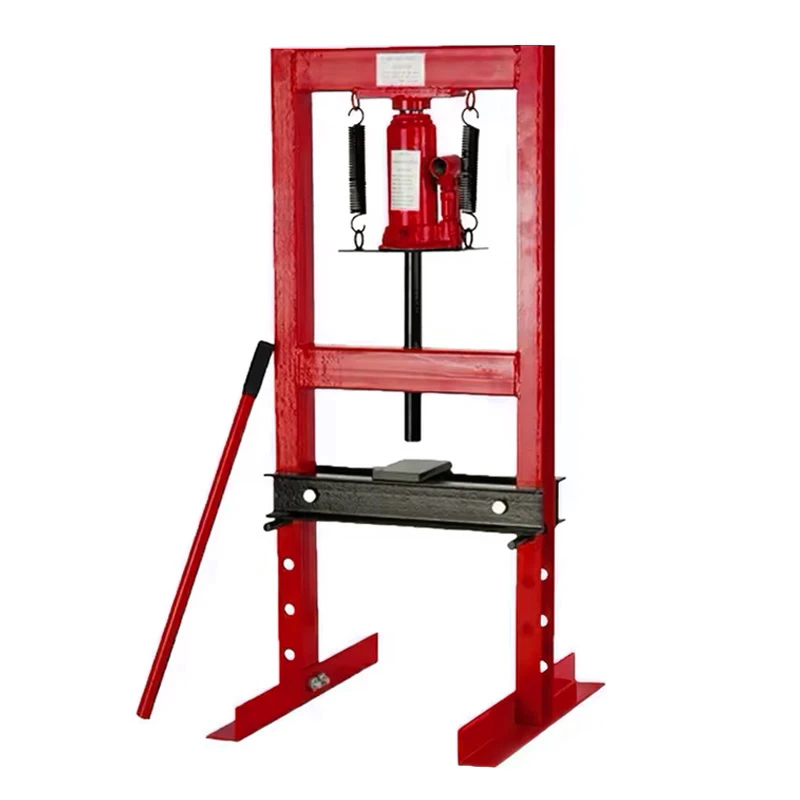
Manual Press Hand Type 6tons Hydraulic Shop Press H Frame Hydraulic Press
-
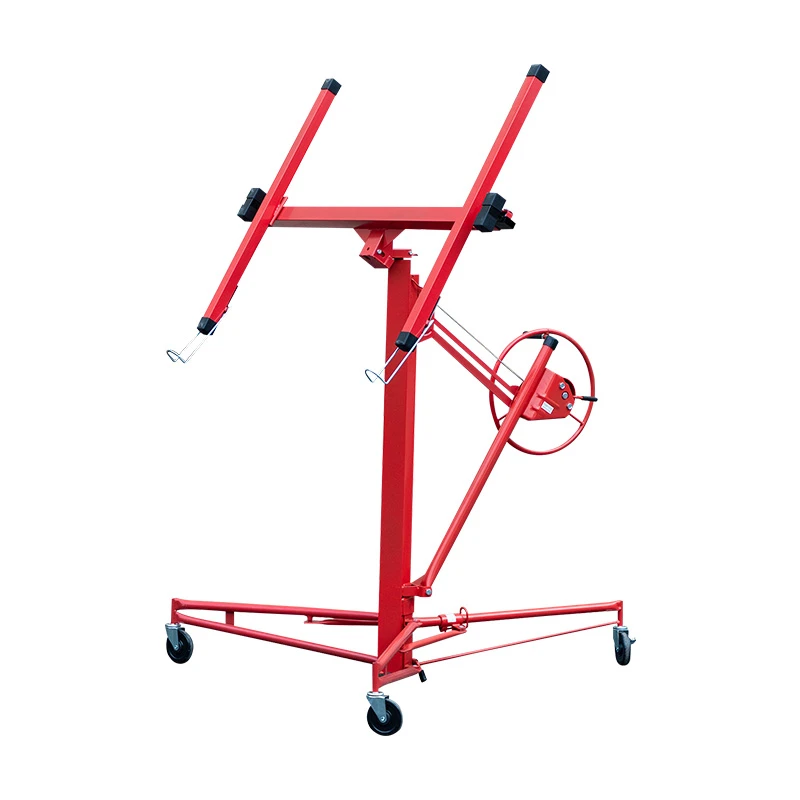
Easy-to-Use Manual Jack Lifter Construction Tools Drywall Hoist Lift Rolling Panel Drywall Rolling Lifter Panel
-
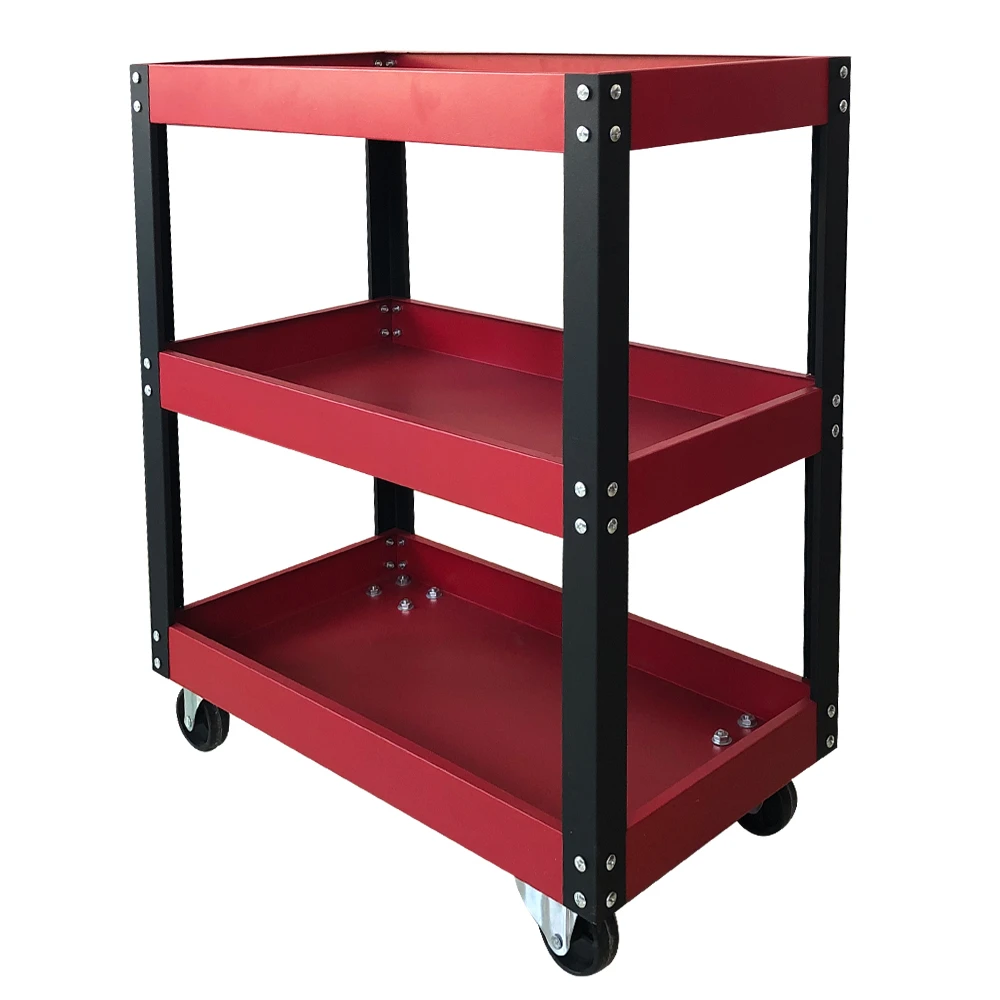
Auto Repair Tool Cart Roller Tools Box Set Mechanic Professional Cabinet for Workshop Garage Serving
-
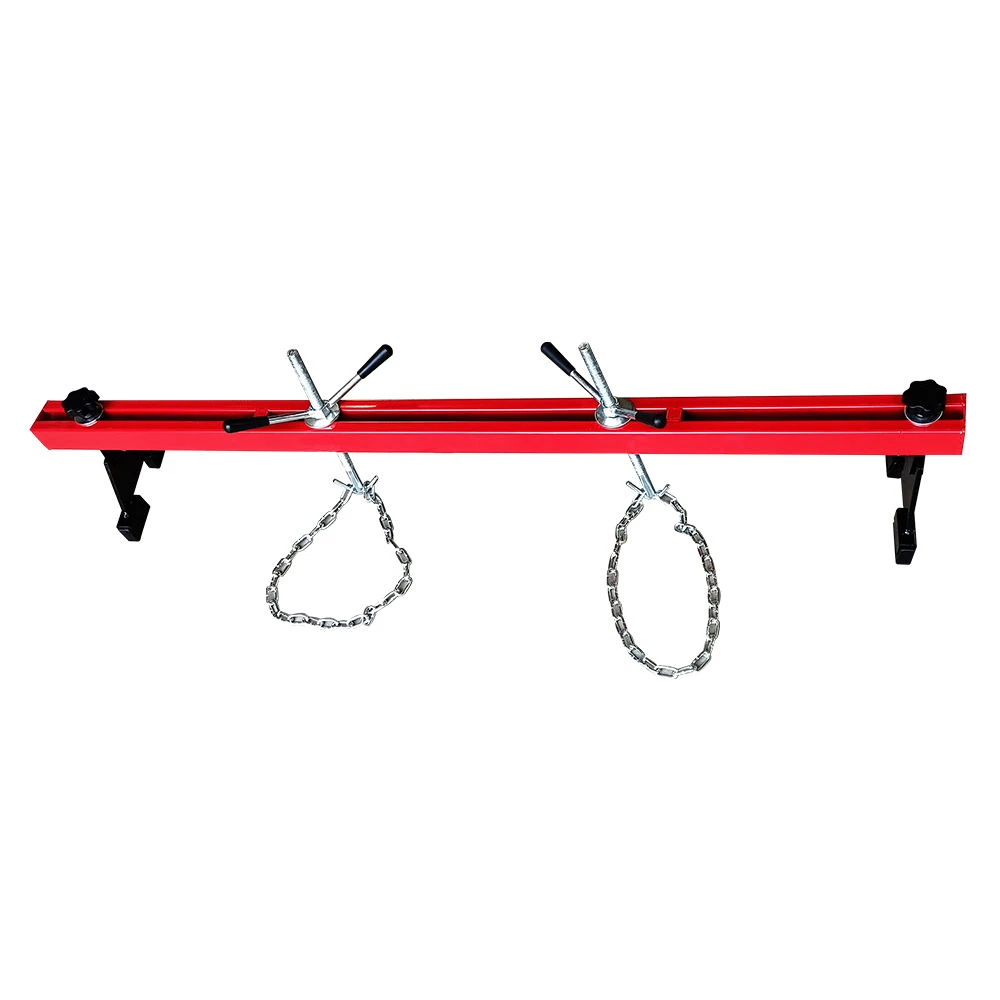
Oem Engine Support Bar 1100 Lbs Capacity Transverse Bar Engine Hoist 2 Point Lift Holder Hoist Dual Hooks Engine Bar
-
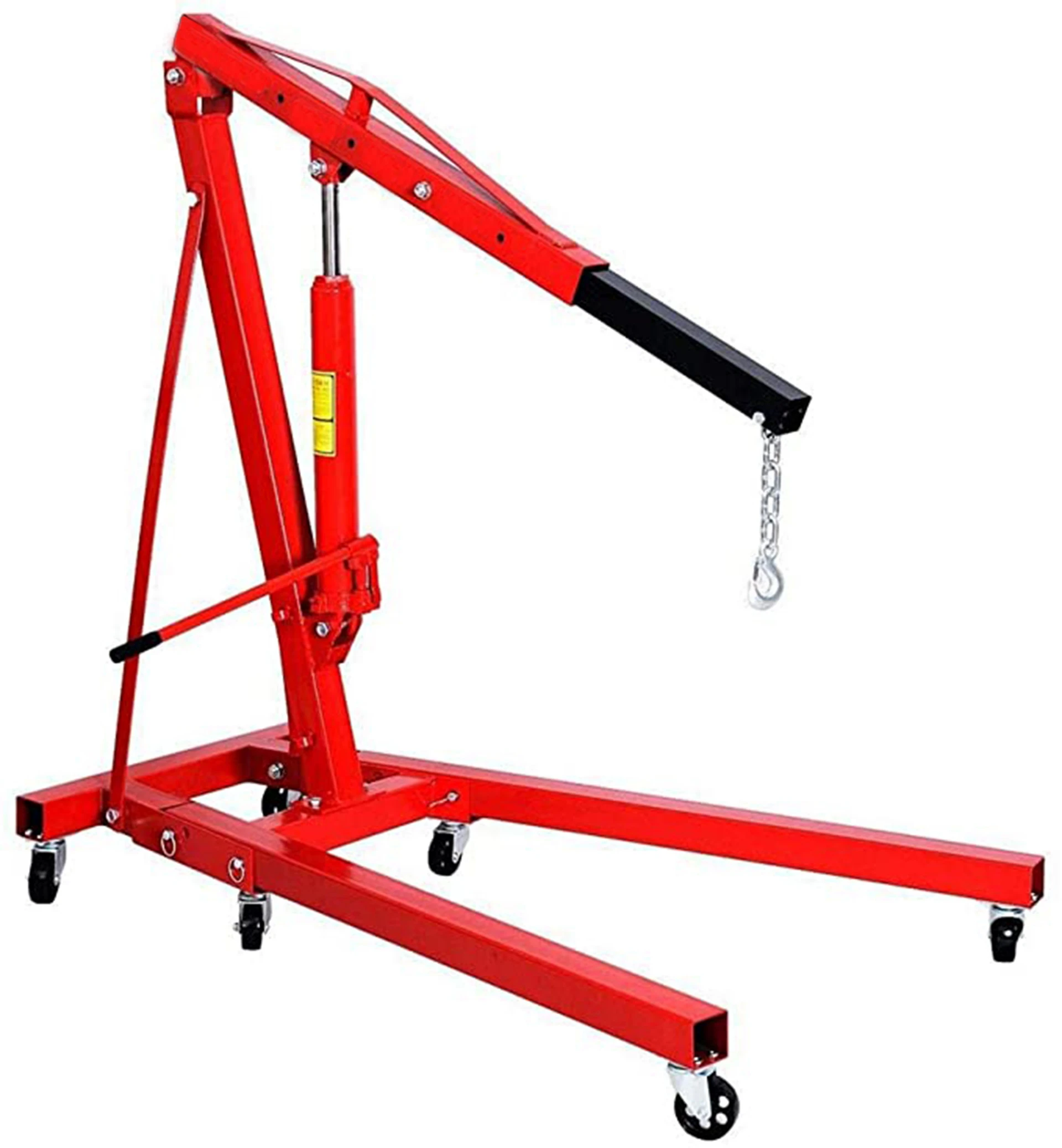
2 Ton Folding Shop Crane Lifting Machine Mini Truck Hydraulic Jack Engine Crane Folding Crane
-
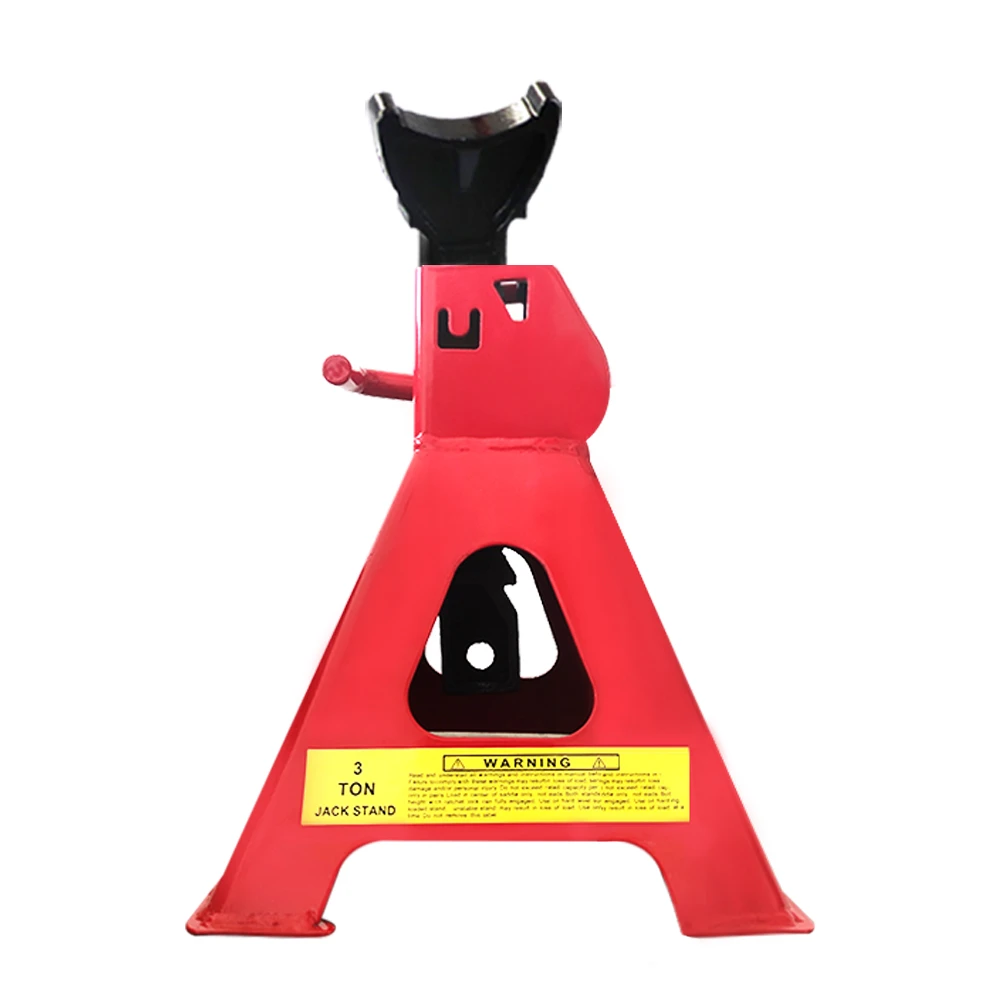
Heavy Duty Vehicle Support Car Jack Stand 3T 6T Adjustable Mobile Jack Stand
-
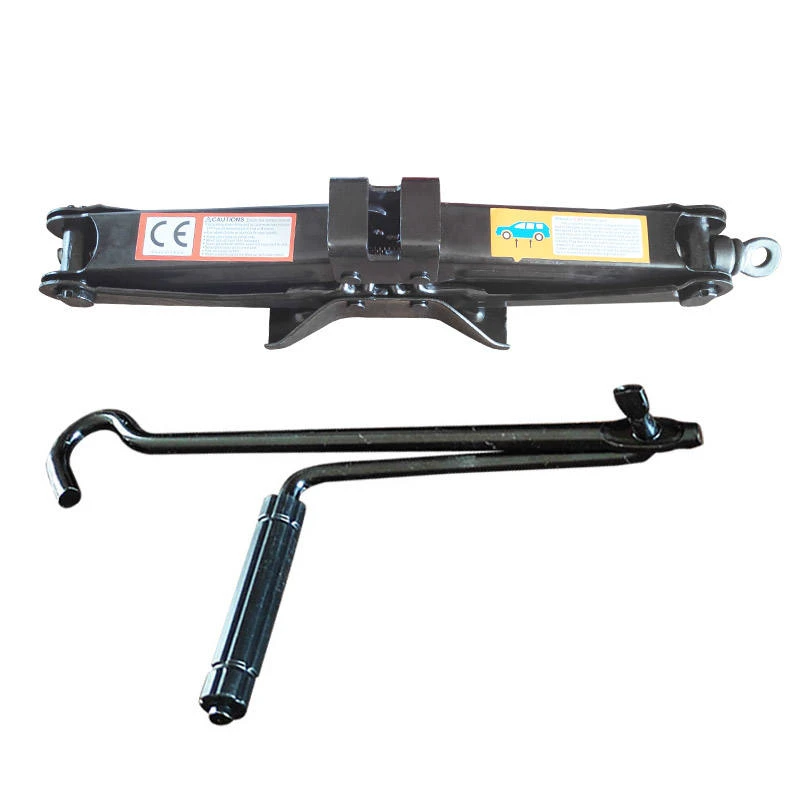
Car Lift Scissor Jack Steel Scissor Jacks Car Jack Portable
-
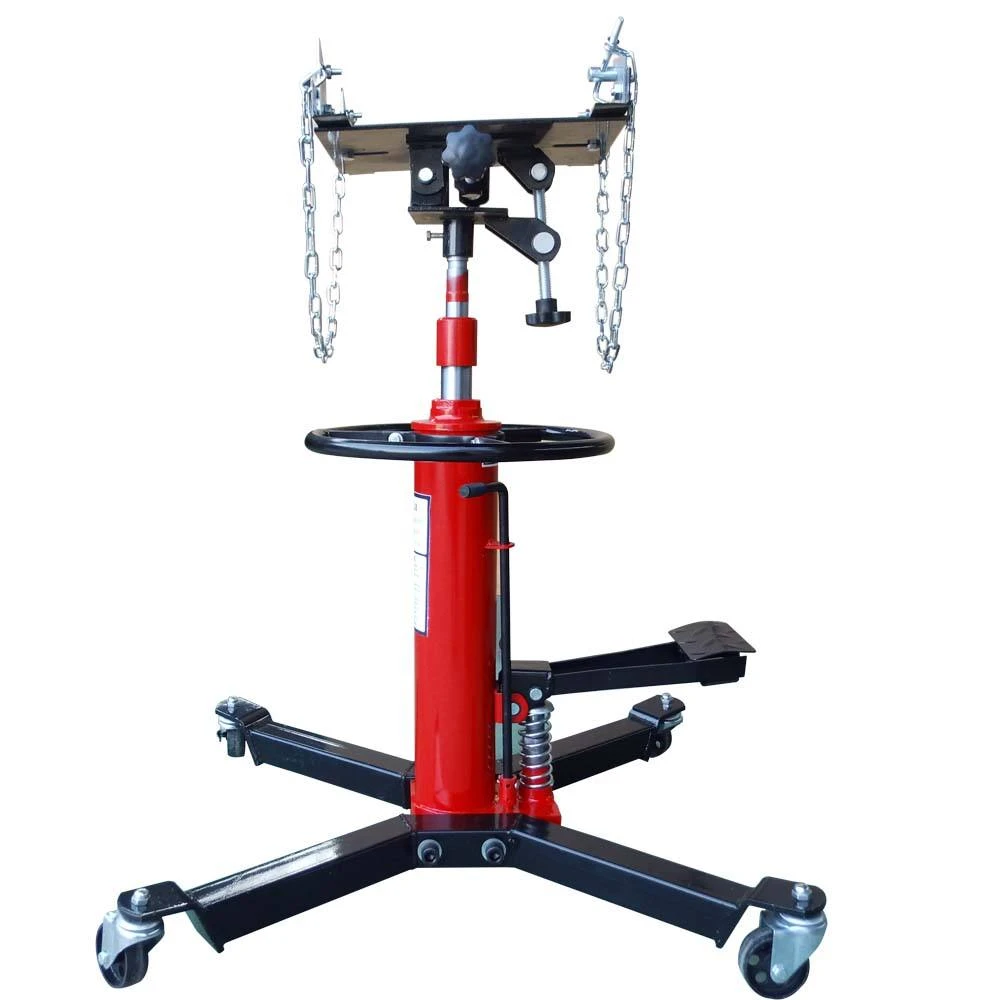
0.6T Professional Hydraulic Telescopic Transmission Jack Garage Equipment With CE For Car Engine Repair
Latest News
-
Best Car Jack 3 Ton Low Profile for Garage Lifting and Safety
NewsApr.16,2026 -
Comprehensive Guide to Choosing the Best Car Jack 1.5 Ton
NewsApr.09,2026 -
Choosing the Right Car Jack for Vehicle Maintenance and Repairs
NewsApr.07,2026 -
Choosing the Right Car Jack Lift 3 Ton for Vehicle Maintenance and Repair
NewsApr.04,2026 -
Choosing the Right Car Jack Up for Vehicle Maintenance and Repair
NewsMar.28,2026 -
Choosing the Right Car Jack Tool for Vehicle Maintenance and Roadside Assistance
NewsMar.26,2026 -
Understanding Car Jack Ton Capacity for Safe and Efficient Vehicle Lifting
NewsMar.24,2026
 English
  Arabic
  Bengali
  China
China  French
  German
  Hausa
Hausa  Indonesian
  Italian
  Japanese
  Javanese
  Malay
Malay  Persian
  Portuguese
  Punjabi
  Russian
  Spanish
  Swahili
  Telugu
  Vietnamese