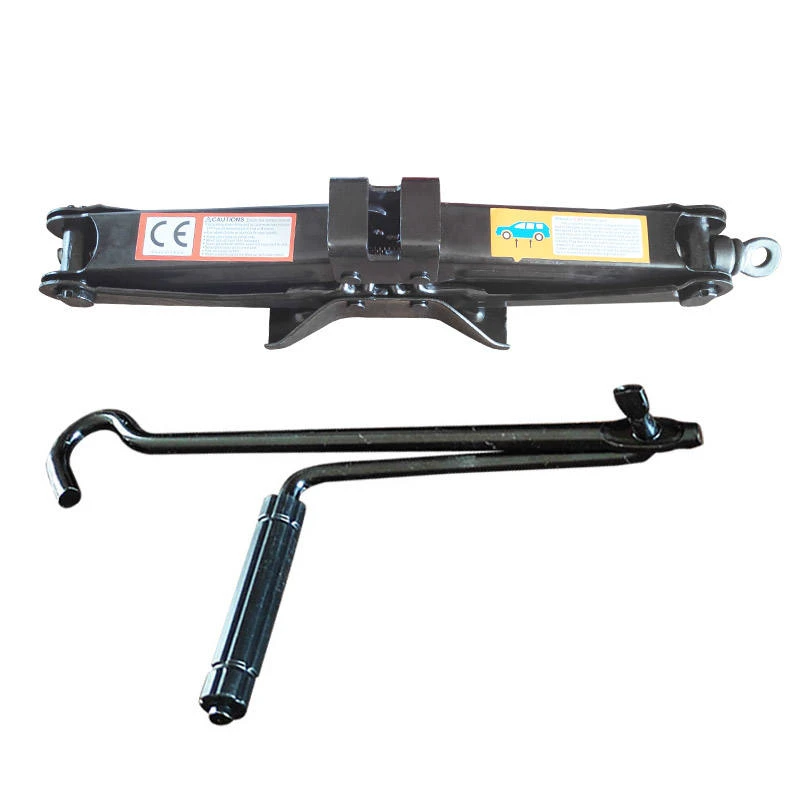
Welcome to our online store!

Premium Automotive Workshop Solutions featuring the 2 post car lift for Canada

Engineering high-precision equipment to meet the rigorous demands of Canadian automotive repair centers and manufacturing plants.

The State of Automotive Tooling in Canada

Analyzing the impact of climate and industry standards on tool durability.

In Canada, the automotive repair industry faces unique challenges due to extreme temperature fluctuations and the prevalence of road salt, which accelerate chassis corrosion. This creates a high demand for a robust shop press and durable lifting equipment that can withstand harsh environmental conditions without compromising safety.

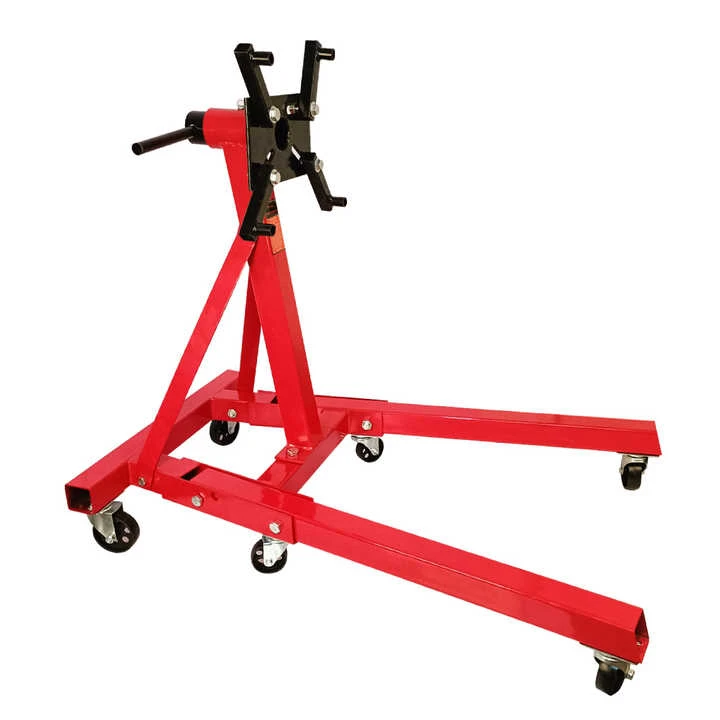
The Canadian market is currently shifting toward high-capacity workshops capable of handling both traditional internal combustion engines and the growing fleet of electric vehicles (EVs). This transition requires precision tools like the engine stand to accommodate heavier powertrain assemblies and specialized battery chassis.

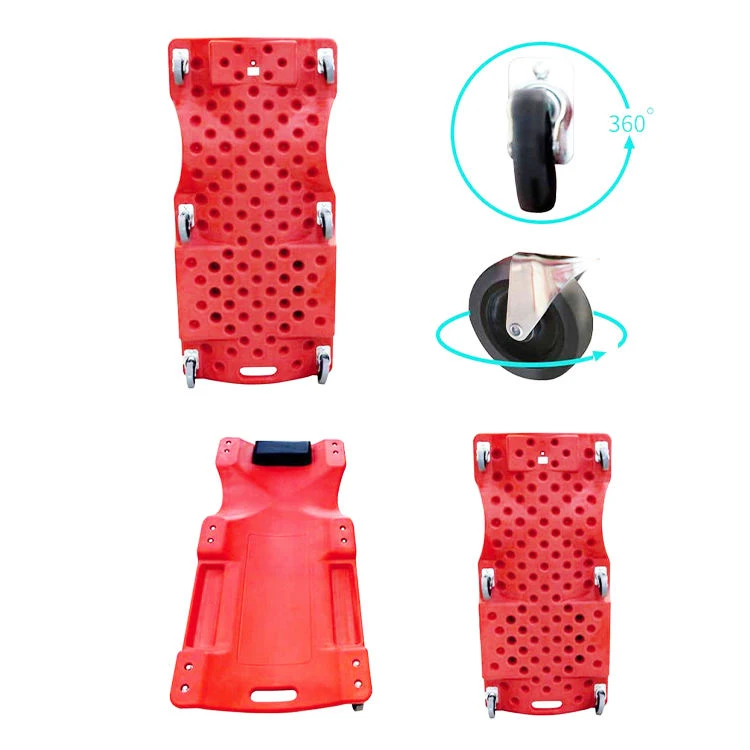
Furthermore, workplace safety regulations in provinces like Ontario and Quebec have driven the adoption of ergonomic equipment. The integration of a professional car creeper has become standard to reduce technician fatigue and prevent musculoskeletal injuries during under-vehicle inspections.
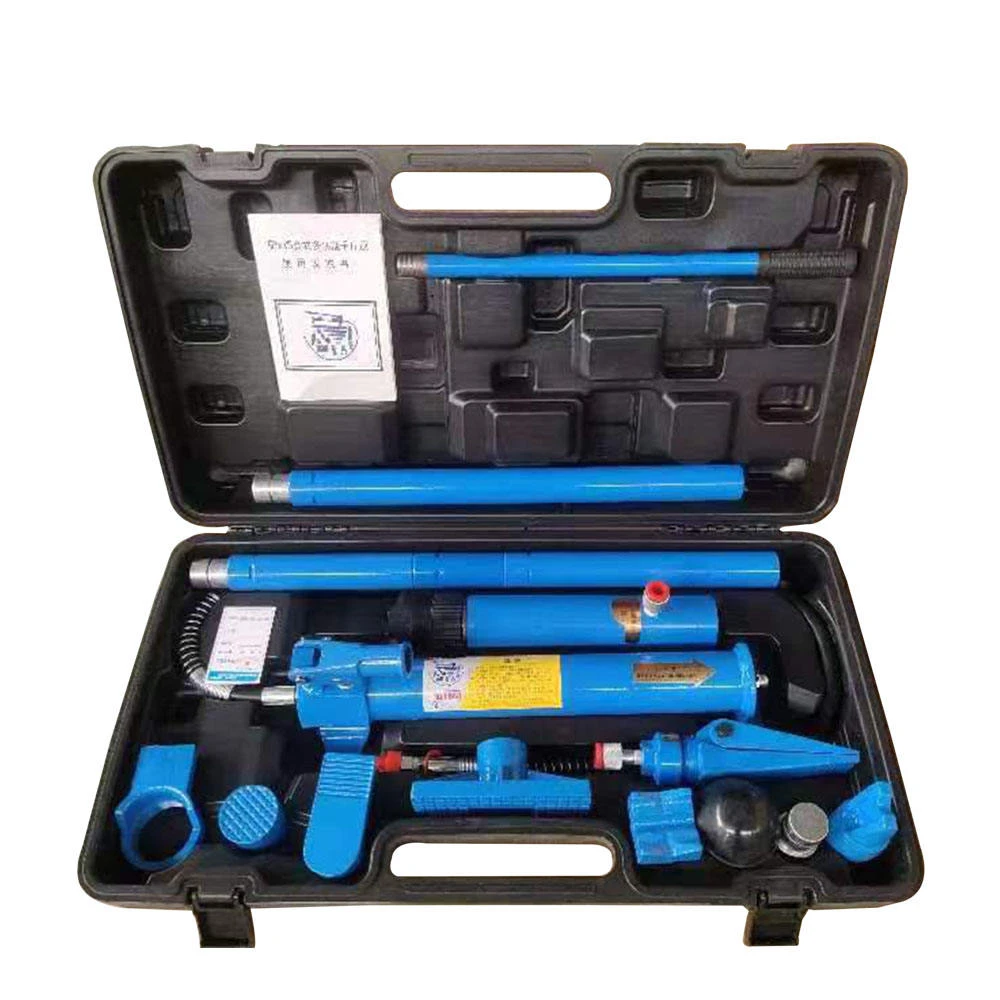
Evolution of Canadian Garage Technology

From manual levers to hydraulic precision and automated systems.

Market Development History

During the 1980s and 90s, the Canadian market relied heavily on basic mechanical jacks and manual presses. Most workshops operated with limited lifting capabilities, making complex suspension work time-consuming and potentially hazardous.

By the early 2000s, there was a widespread shift toward hydraulic systems. The introduction of the standardized spring compressor revolutionized shock and strut replacement, significantly reducing the time required for suspension overhauls across North American service centers.

From 2015 to the present, the focus has pivoted toward "Smart Shops." This era is characterized by the integration of high-tonnage hydraulic equipment and ergonomic design, ensuring that tools are not only powerful but also safe for long-term industrial use.

Future Development Trends

Eco-Friendly Hydraulic Fluids

To align with Canadian environmental regulations, the next 3 years will see a surge in biodegradable hydraulic fluids for lifts and presses to prevent soil contamination.

EV-Specific Lifting Geometry

As EV adoption grows, the geometry of lifting arms will evolve to avoid damaging heavy under-floor battery packs while maintaining vehicle stability.

IoT-Enabled Maintenance Tracking

Future equipment will likely feature sensors that alert shop managers when a tool requires calibration or safety inspections based on usage cycles.

Industry Trends and Future Outlook

Anticipating the needs of the next generation of automotive technicians.

Ultra-High Capacity Hydraulics
Increasing tonnage capacities to support heavier electric vehicle batteries and luxury SUV chassis.
Advanced Ergonomic Design
Reducing technician fatigue through optimized tool angles and lightweight, high-strength alloys.
Modular Tool Integration
Creating interchangeable accessory systems for presses and stands to increase versatility.
Rapid-Deployment Systems
Optimizing setup times for mobile repair services across the vast Canadian geography.

Industry Outlook

The Canadian automotive parts and equipment sector is moving toward a hybrid model where traditional mechanical expertise is augmented by precision-engineered tools. Google search trends indicate a growing interest in "EV-compatible shop equipment," suggesting a shift in procurement priorities for the next 5 years.

Investment in high-durability coatings and corrosion-resistant alloys will be paramount. As workshops in the Prairies and Atlantic provinces deal with extreme moisture and salt, the longevity of a 2 post car lift will depend heavily on advanced powder-coating technologies.

Localized Application Scenarios in Canada

Practical implementations of our tooling in diverse Canadian environments.

01. Winter Suspension Overhauls in Ontario

Dealing with salt-corroded struts requires a reliable spring compressor to safely remove worn components without risking technician safety during the peak winter rush.

02. Heavy-Duty Fleet Maintenance in Alberta

Oil field support vehicles require high-tonnage lifting. A reinforced 2 post car lift is essential for handling the increased weight of modified industrial trucks.

03. Precision Engine Rebuilds in Quebec

Specialized performance shops utilize a heavy-duty engine stand to allow 360-degree access for the intricate machining required for high-performance Canadian motorsport engines.

04. Bearing and Bushing Replacement in BC

For coastal vehicles facing humidity-induced wear, a high-precision shop press is used to press out seized bearings and install new bushings with micron-level accuracy.

05. Rapid Under-Chassis Inspection in Nova Scotia

In fast-paced coastal service centers, a low-profile car creeper enables technicians to quickly inspect rust damage on undercarriages across various vehicle makes.

Brand Story

Global Development Journey of Longge Automotive Repair Tools Co., Ltd.

Foundational Engineering

Established with a mission to solve the lack of precision in affordable automotive tooling, we began by perfecting the core mechanics of hydraulic pressure.

Technological Expansion

We expanded our R&D to include aerospace-grade steel, ensuring our equipment could handle the extreme loads required by industrial manufacturing.

Global Quality Standardization

By adopting international safety certifications, we ensured that every tool, from the smallest creeper to the largest lift, meets global safety norms.

North American Integration

We tailored our product lines specifically for the Canadian market, focusing on corrosion resistance and high-capacity load bearings.

Vision for the Future

Today, we strive to be the primary partner for EV transition tooling, blending traditional durability with futuristic precision.

Canadian Automotive Equipment FAQ

Expert answers to common technical and procurement questions.

How do I choose the right 2 post car lift for heavy EVs in Canada?

When selecting a lift for EVs, prioritize lifting capacity (10,000 lbs or more) and ensure the arm pads are compatible with battery-reinforced chassis to prevent structural damage.

What is the best way to maintain a shop press in high-humidity environments?

Regularly lubricate the ram and apply a thin layer of anti-corrosion oil to the exposed metal surfaces to prevent rust, especially in coastal Canadian regions.

Are specialized spring compressors necessary for modern Canadian SUVs?

Yes, modern SUVs often use high-tension coil springs. A professional-grade, safety-locked spring compressor is essential to avoid accidental decompression during installation.

How can a heavy-duty engine stand improve workshop efficiency?

A rotating engine stand allows technicians to access the bottom and sides of the engine without lifting the vehicle, reducing the need for multiple lifts and accelerating rebuild times.

What features should I look for in a professional car creeper?

Look for heavy-duty casters that roll easily over shop debris and an ergonomic headrest to prevent neck strain during long under-vehicle diagnostic sessions.

Do these tools meet Canadian safety standards for industrial use?

Our products are engineered to meet or exceed North American safety benchmarks, featuring redundant locking mechanisms and high-grade materials for maximum durability.

Upgrade Your Workshop Precision Today

Our specialists are ready to help you optimize your automotive production and repair capacity across Canada.

Contact Us Now

If you are interested in our products, you can choose to leave your information here, and we will be in touch with you shortly.


en_USEnglish