Welcome to our online store!

High-Precision Workshop Solutions for 2 post car lift Systems in Japan

Empowering Japanese automotive workshops with industrial-grade durability and space-optimized precision engineering.

Current Landscape of Japan's Auto Component Manufacturing

Analyzing the operational challenges and demands of urban Japanese garages.

The Japanese automotive repair market is characterized by extreme spatial constraints in urban centers like Tokyo and Osaka. This necessitates the use of highly compact yet powerful equipment such as a shop press, where vertical efficiency is prioritized over footprint.

Furthermore, Japan's commitment to "Kaizen" (continuous improvement) means technicians demand tools with zero-tolerance for error. The integration of a high-stability engine stand is crucial for the meticulous rebuilding of high-performance engines common in the local JDM culture.

Economic shifts toward hybrid and electric vehicles (EVs) are forcing workshops to upgrade their infrastructure. The requirement for precision handling during suspension overhauls has increased the demand for specialized tools like the spring compressor to ensure technician safety and vehicle integrity.
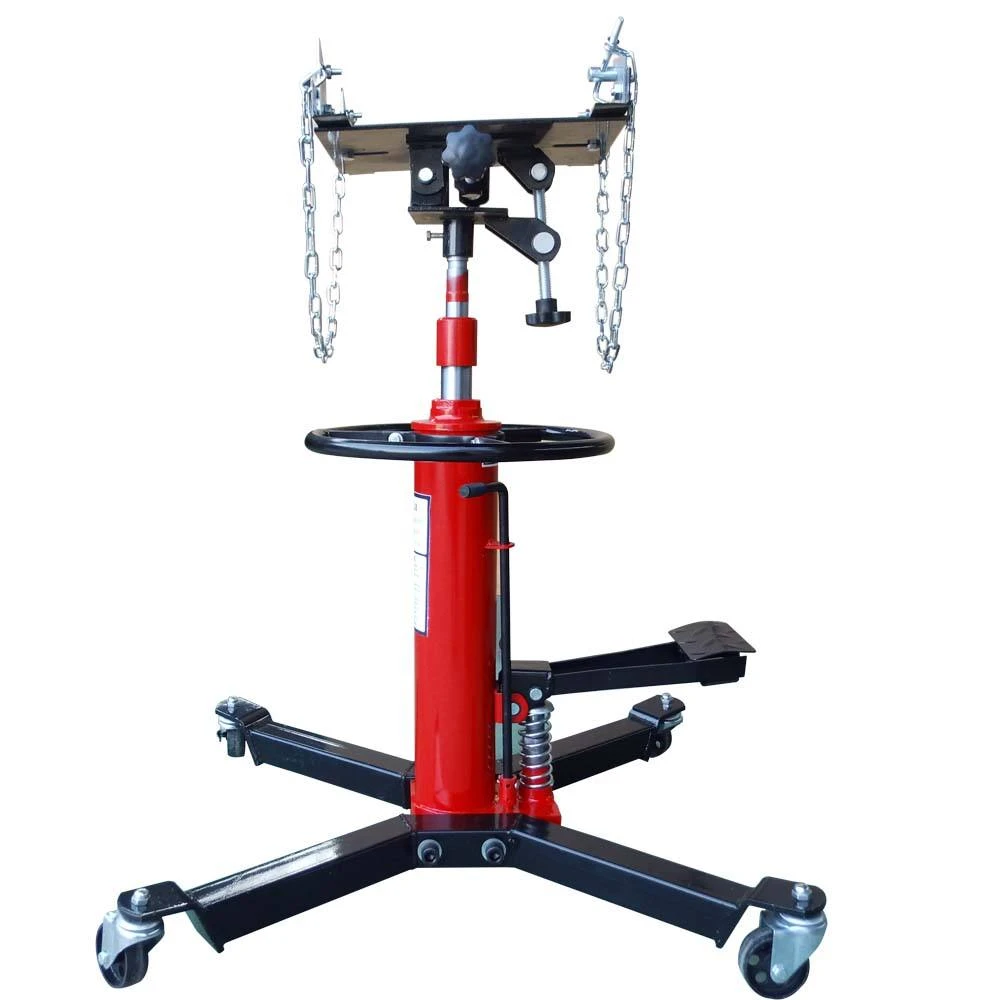
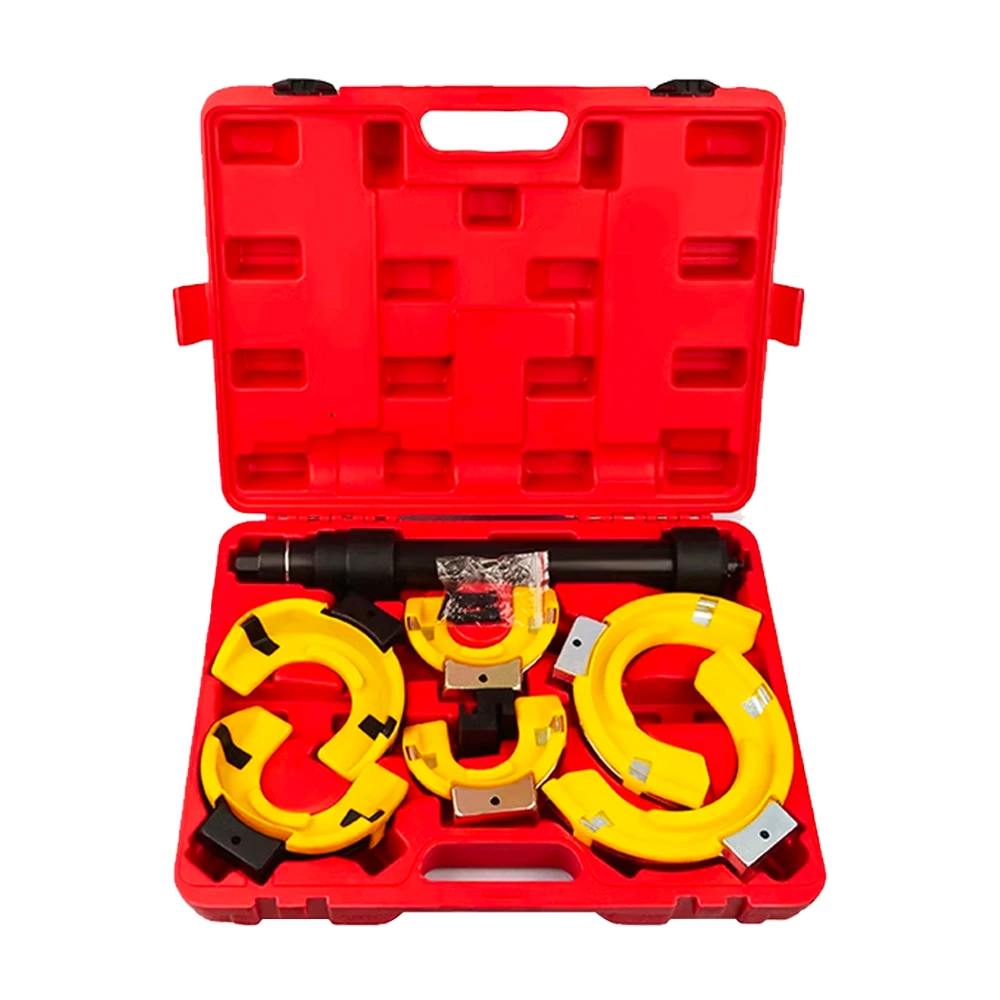
Evolution of Automotive Tooling in Japan

From manual labor to automated precision engineering.

Market Development History

In the 1980s and 90s, Japanese workshops relied heavily on manual mechanical tools and rudimentary lifting systems. The focus was on robustness and basic reliability to support the rapid expansion of domestic car brands.

Between 2000 and 2015, the transition toward hydraulic efficiency occurred. The widespread adoption of the car creeper evolved from simple boards to ergonomic, high-mobility designs to reduce technician fatigue during under-chassis inspections.

From 2016 to the present, the industry has shifted toward "Smart Shops." Equipment is now designed with integrated safety sensors and aerospace-grade materials to handle the heavier battery packs of modern EVs.

Future Development Trends

IoT-Integrated Lifting

Future lifts will incorporate weight sensors and digital balancing to automatically adjust to vehicle center-of-gravity shifts.

Eco-Friendly Hydraulics

Transitioning toward biodegradable hydraulic fluids in presses to align with Japan's strict environmental regulations.

Ergonomic Modularization

Tools will become more modular, allowing a single piece of equipment to serve multiple functions in small-scale workshops.

Industry Trends and Future Outlook

Predicting the trajectory of automotive maintenance technology.

EV-Centric Infrastructure
Adapting lifts and stands to support the extreme weight of electric vehicle batteries.
Precision Automation
Implementation of digital pressure gauges in hydraulic presses for exact tolerances.
Space Optimization
Development of foldable and stackable toolsets for urban Japanese shop layouts.
Safety Standardization
Integrating fail-safe locking mechanisms across all lifting and pressing equipment.

Industry Outlook

Based on Google search trends in the APAC region, there is a rising query volume for "energy-efficient garage equipment." This indicates a shift toward tools that reduce power consumption without sacrificing industrial output.

The future will likely see a convergence of mechanical durability and digital monitoring, ensuring that every spring compressor or lift operates within a predefined safety envelope, reducing workplace accidents in high-density urban workshops.

Localized Application Scenarios in Japan

Practical implementations of professional tools in real-world Japanese automotive environments.

01. Compact Urban Garage Optimization

Utilizing slim-profile lifts and a car creeper to maximize movement in workshops with less than 50 square meters of floor space.

02. High-Performance JDM Tuning

Employing a heavy-duty engine stand for precision boring and balancing of turbocharged engines in specialized tuning shops.

03. Precision Suspension Overhauls

Using a calibrated spring compressor for the safe replacement of coil springs in luxury sedans, ensuring zero chassis distortion.

04. Industrial Bearing Maintenance

Applying a hydraulic shop press for the seamless installation of high-tolerance bearings in electric drivetrain components.

05. Rapid Fleet Servicing

Integrating synchronized 2 post car lift systems to handle high-volume corporate vehicle fleets with minimal turnaround time.

Brand Story

Global Development History of Xianxian Longge Auto Repair Tools Co., Ltd.

Foundational Precision

Established with a vision to bridge the gap between industrial durability and workshop accessibility.

Technological Expansion

Investing in R&D to develop ergonomic designs that reduce technician fatigue across global markets.

Global Quality Certification

Achieving international safety standards to enter the rigorous Japanese and European automotive markets.

Innovation in EV Tooling

Leading the transition toward high-capacity lifting solutions specifically for electric vehicle chassis.

Commitment to Excellence

Providing lifelong support and precision parts to ensure zero-downtime for automotive professionals worldwide.

Frequently Asked Questions in Japan

Expert answers to common technical queries from local automotive technicians.

How to choose the right 2 post car lift for a small Tokyo workshop?

For small urban spaces, we recommend clear-floor symmetric lifts that provide maximum under-car access while maintaining a compact footprint.

What safety standards should a professional spring compressor meet?

It must feature integrated safety locks and be constructed from high-tensile alloy steel to prevent slippage under extreme tension.

Can a shop press be used for EV battery housing repairs?

Yes, provided the press has a precision gauge to apply controlled pressure without compromising the structural integrity of the battery casing.

What is the best way to maintain an engine stand for long-term use?

Regular lubrication of the rotation pivot and checking the bolt torque every six months ensures stability and smooth movement.

Are ergonomic car creepers effective in reducing back pain?

Absolutely. High-density foam padding and low-friction casters reduce the physical strain on the lumbar region during extended under-vehicle work.

How does voltage variation in Japan affect hydraulic lift motors?

Our lifts are engineered specifically for the Japanese power grid (100V/200V) to ensure motor longevity and consistent lifting speed.

Get Professional Consultation

Our technical team is ready to help you optimize your automotive workshop in Japan with world-class equipment.

Contact Us Now

If you are interested in our products, you can choose to leave your information here, and we will be in touch with you shortly.


en_USEnglish