Welcome to our online store!

High-Performance 2 post car lift Systems for US Garages

Engineering precision automotive lifting and repair solutions tailored for the rigorous demands of the North American automotive aftermarket.

Current Landscape of US Automotive Tooling

Analyzing the operational challenges and environmental factors affecting US repair shops.

In the United States, the automotive repair sector is currently navigating a transition toward heavier Electric Vehicles (EVs) and luxury SUVs. This shift necessitates a higher load capacity for every 2 post car lift and more stable platforms for heavy-duty chassis work, as traditional equipment struggles with the increased curb weight of battery packs.

Regional climate variations, from the humid Gulf Coast to the salt-heavy winters of the Northeast, demand high-corrosion resistance for tools like the car creeper and under-car equipment. Shop owners are increasingly prioritizing powder-coated finishes and reinforced steel to prevent premature rust and structural fatigue.

Furthermore, the labor shortage in North American skilled trades has pushed shops to adopt "Efficiency-First" layouts. Tools such as the shop press are being integrated into more compact, multi-functional workstations to reduce technician movement and increase hourly throughput.
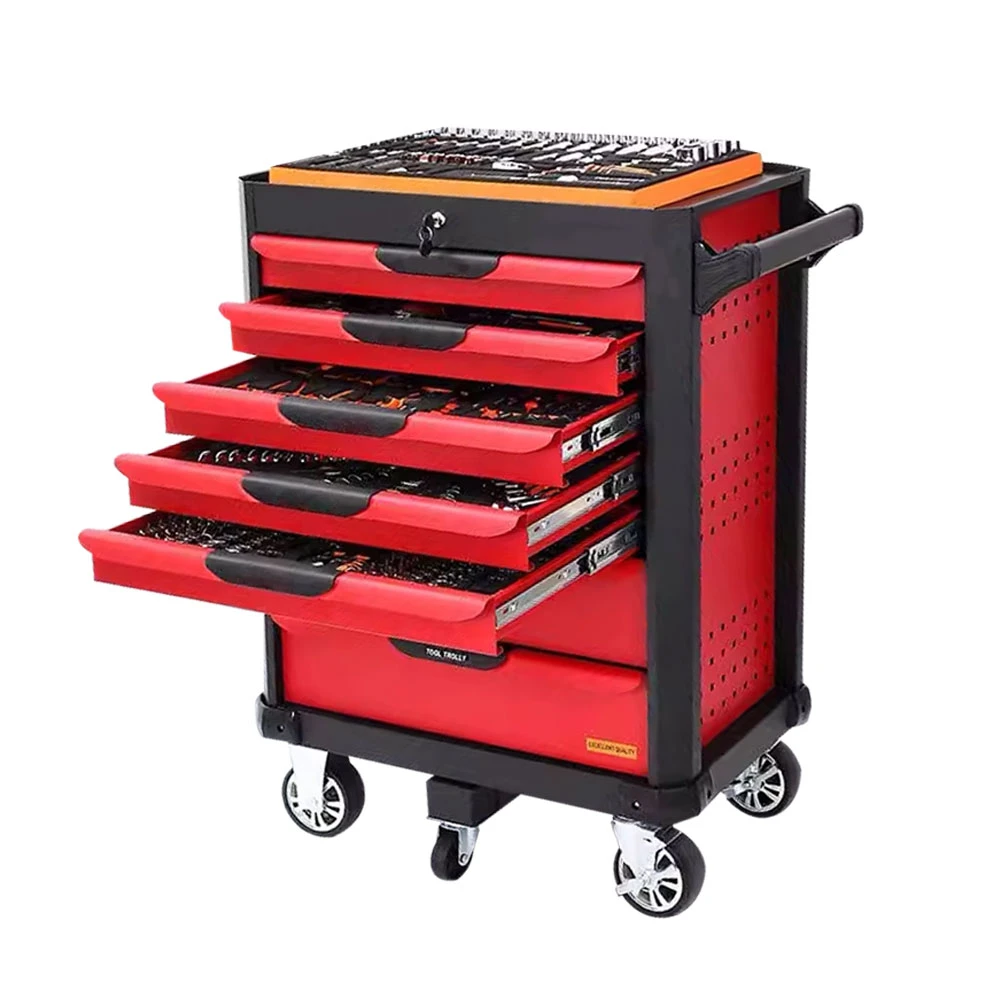
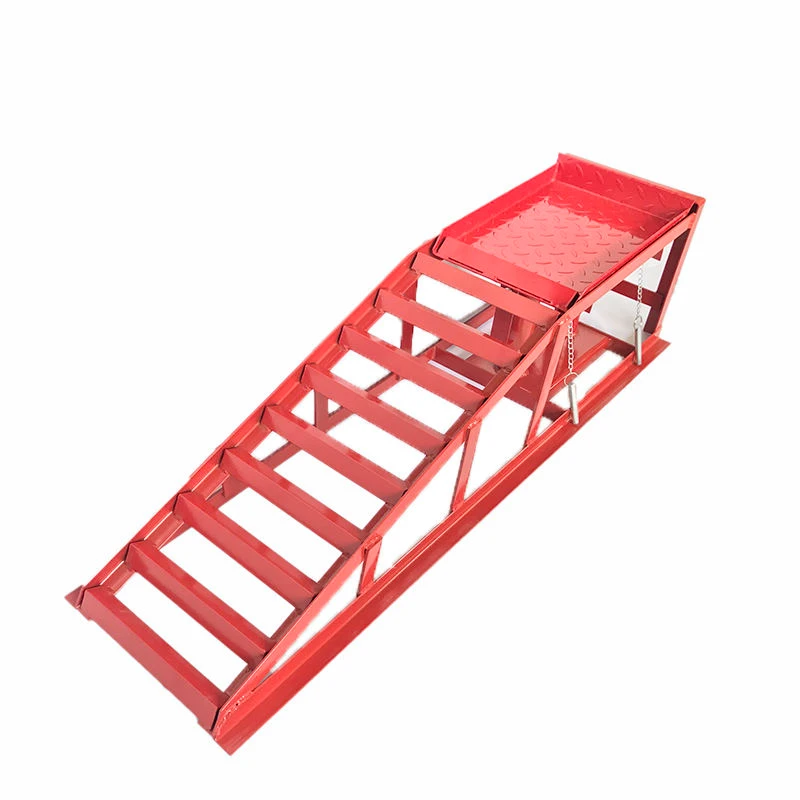
Evolution of Automotive Component Manufacturing

From manual mechanical presses to digitally integrated lifting and compression systems.

Market Development History

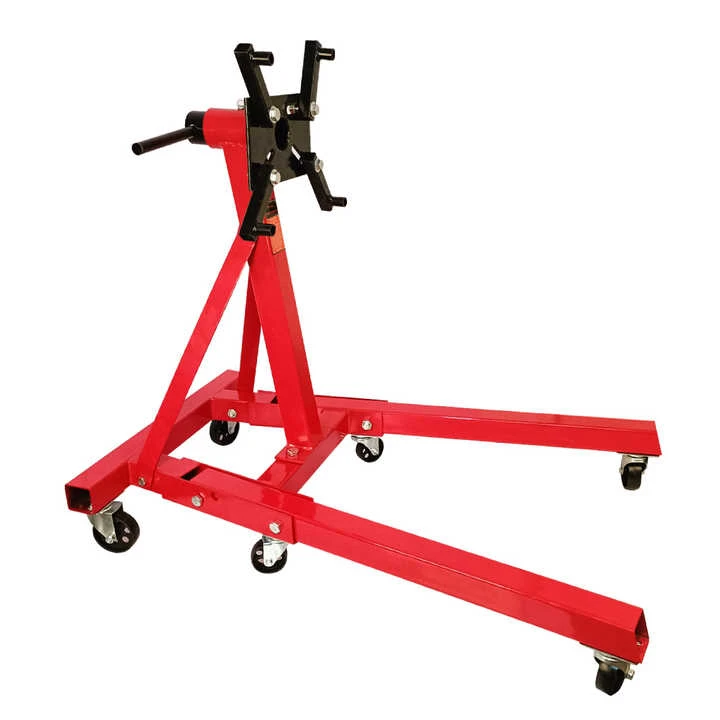
Prior to the 1990s, the US market relied heavily on purely mechanical, fixed-height equipment. The engine stand was a basic cast-iron tool with limited rotation, focusing solely on stability for internal combustion engine rebuilds.

Between 2000 and 2015, the industry saw a massive surge in hydraulic sophistication. This era introduced adjustable-arm lifting technology and high-pressure pneumatic systems for the spring compressor, significantly improving safety standards and reducing the risk of spring decompression accidents.

From 2016 to the present, the focus has shifted to ergonomic optimization and material science. The modern car creeper evolved from simple wooden boards to high-density polyethylene (HDPE) frames with precision casters, catering to the aging workforce's need for lumbar support.

Future Development Trends

Smart Load Sensing

Integration of IoT sensors in lifting equipment to provide real-time weight distribution data, preventing instability during heavy-duty lifts.

Advanced Alloy Implementation

Replacing standard carbon steel with aerospace-grade alloys in high-stress components to increase the lifespan of hydraulic rams and press frames.

Carbon-Neutral Manufacturing

A shift toward sustainable production processes in the US to comply with evolving federal environmental regulations for automotive tool manufacturing.

Industry Trends & Strategic Outlook

Projecting the trajectory of automotive equipment in the North American market.

EV Weight Adaptation
Designing equipment to handle the unique center of gravity and increased mass of electric vehicle battery packs.
Modular Tooling
Shift toward interchangeable attachments for presses and stands to accommodate various vehicle sizes.
Ergonomic Safety
Increased integration of automatic safety locks and lumbar-supportive equipment to reduce workplace injuries.
Digital Diagnostics
Pairing physical tools with diagnostic software to predict part failure before using a press or lift.

Industry Outlook

Based on Google search trends for "heavy duty garage equipment," there is a significant increase in demand for home-garage professionalization in the US. This indicates a growing market for "prosumer" grade tools that bridge the gap between DIY and commercial quality.

We predict that within 3-5 years, the integration of smart-safety sensors will become a standard regulatory requirement in North American workshops to eliminate the risks associated with improper vehicle positioning on lifts.

Localized Application Scenarios in the USA

Practical implementations of professional tools in diverse North American environments.

01. Heavy-Duty Pickup Maintenance in Texas

Utilizing high-capacity lifts and reinforced engine stand setups to service large-displacement V8 engines and heavy-duty suspension systems common in Southwestern truck fleets.

02. Precision Brake Work in New England

Employing a professional spring compressor to safely replace worn struts and coil springs damaged by harsh winter road salt and potholes.

03. High-Volume Quick-Lube Shops in Florida

Optimizing under-vehicle access with low-profile car creeper units to ensure rapid oil changes and fluid inspections in humid, fast-paced environments.

04. Classic Car Restoration in California

Using a precision shop press for meticulous bushing replacements and bearing presses on vintage American muscle cars.

05. Fleet Management Hubs in the Midwest

Deploying standardized 2-post lifting bays to manage a diverse range of commercial vans and light trucks, ensuring uniform safety and efficiency across the fleet.

Brand Story

Global Development Journey of Xianxian Longge Automotive Repair Tools Co., Ltd.

Foundational Precision

Established with a commitment to solving the fundamental instability of workshop tools, focusing on high-strength steel fabrication.

Technological Pivot

Integrating hydraulic innovation to create safer, more efficient lifting and pressing solutions for global markets.

North American Expansion

Tailoring product lines to meet the specific load and safety standards of the US automotive aftermarket.

Ergonomic Breakthrough

Redesigning the interaction between technician and tool to reduce fatigue and increase shop productivity.

Global Leadership

Becoming a trusted partner for professional garages worldwide by combining industrial durability with modern engineering.

Common Questions for US Shop Owners

Expert answers regarding the installation and maintenance of professional automotive equipment.

How do I choose the right capacity for a 2 post car lift in a residential garage?

For residential use in the US, a 9,000lb to 12,000lb lift is generally sufficient for most passenger cars and light SUVs, but always verify your concrete slab thickness meets the manufacturer's requirements.

What is the safest way to use a spring compressor on modern struts?

Always use a calibrated, heavy-duty spring compressor and ensure the spring is seated squarely against the plates before applying tension to prevent slippage.

Can a shop press be used for both bearing and bushing replacement?

Yes, provided you have the correct set of adapter sleeves and plates to distribute the pressure evenly across the component being pressed.

How often should I lubricate the casters on my car creeper?

In dusty workshop environments, we recommend cleaning and lubricating casters every 3-6 months to ensure smooth movement and prevent wheel lock.

What are the stability requirements for a professional engine stand?

Ensure the stand is rated for the specific engine weight and that the mounting brackets are securely torqued to the block before rotating the engine.

Do these tools comply with OSHA safety standards in the United States?

Our equipment is designed following international safety protocols and rigorous stress tests to align with the safety expectations of professional US workshops.

Upgrade Your Workshop Efficiency

Providing industrial-grade automotive tools and customized lifting solutions for professionals across the United States.

Contact Us Now

If you are interested in our products, you can choose to leave your information here, and we will be in touch with you shortly.


en_USEnglish