Comprehensive Guide to Selecting the Right Floor Jack and Jack Stand Set
Floor Jack and Jack Stand Set: A Comprehensive Buying Guide
When undertaking automotive repairs, a reliable floor jack and jack stand set is indispensable. These tools provide the necessary lift and support to safely work underneath vehicles. This guide delves into the essential considerations when choosing a set, covering types, capacities, safety features, and recommendations to ensure you select the right tools for your needs. A quality set is an investment in your safety and the success of your repair projects. Understanding the nuances of these tools will empower you to make an informed decision.
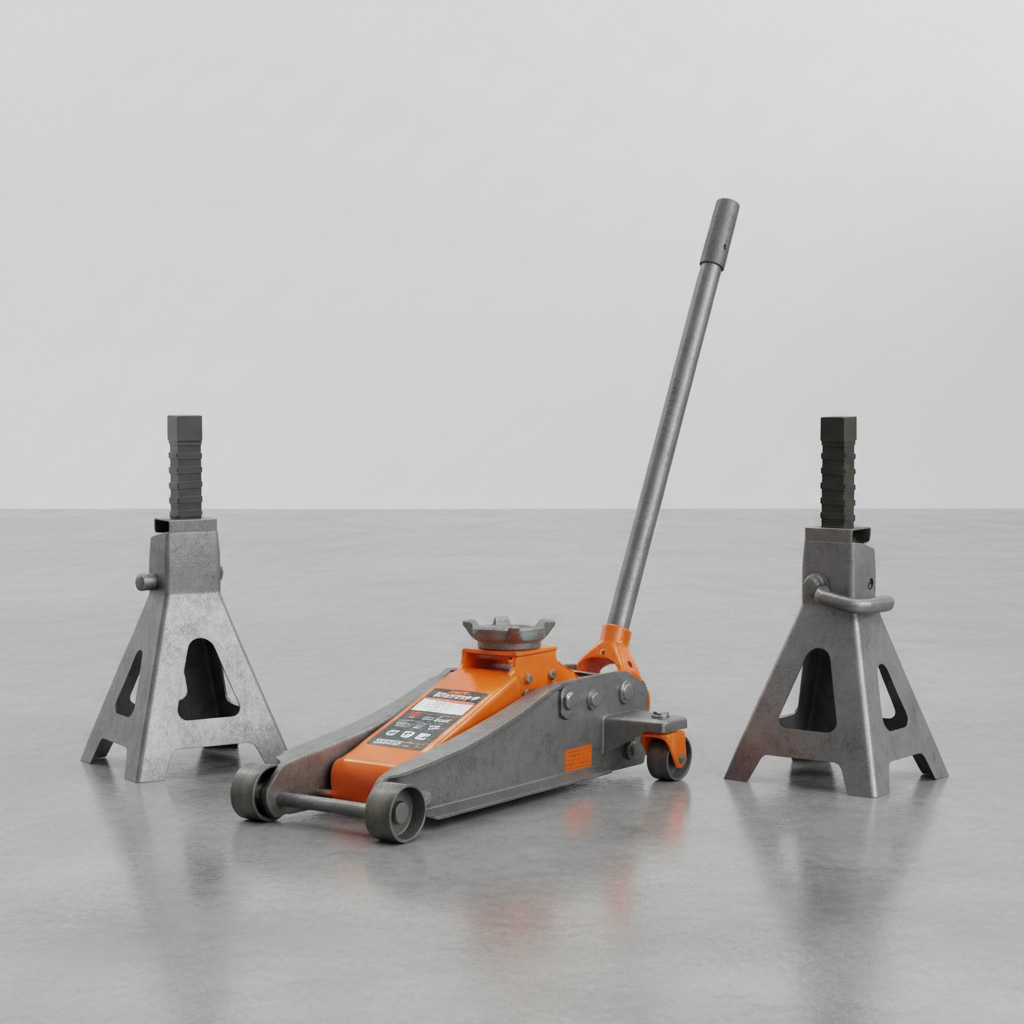
Understanding the Different Types of Floor Jacks
Floor jacks come in various types, each suited to different tasks and budgets. The most common types include hydraulic floor jacks, bottle jacks, and scissor jacks. Hydraulic floor jacks are favored for their ease of use and lifting power, utilizing a hydraulic system to raise and lower the vehicle. Bottle jacks are more compact and affordable, ideal for emergency roadside repairs, but generally require more pumping effort. Scissor jacks are often included with vehicles but offer limited lift height and stability, making them less suitable for extensive work. Choosing the right type depends on the frequency of use, the vehicles you’ll be working on, and the level of control you desire.
Choosing the Right Jack Stand Capacity
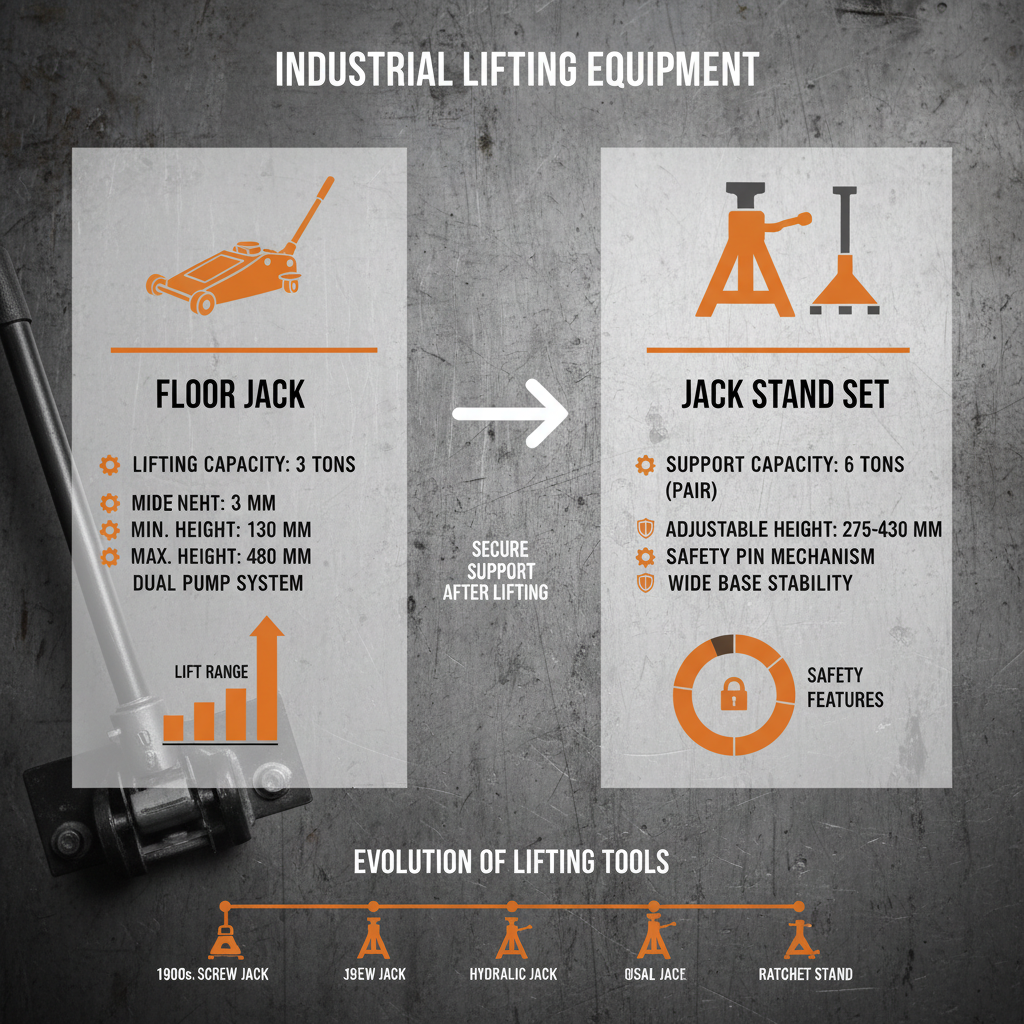
Jack stands are critical for safety, and selecting the correct capacity is paramount. The combined weight of the vehicle section being lifted must never exceed the total capacity of the jack stands used. It's always advisable to choose stands with a higher capacity than required for a safety margin. Jack stands are typically rated in pairs – for example, a set rated for 6 tons (12,000 lbs) provides 3 tons (6,000 lbs) of support per stand. Consult your vehicle's owner's manual for its weight distribution to ensure proper stand selection. Using stands with insufficient capacity is a serious safety hazard.
Key Safety Tip: Always use jack stands in pairs, and ensure they are placed on a solid, level surface. Never work under a vehicle supported only by a jack.
Floor Jack and Jack Stand Set Comparison: Features & Specifications
Comparing different floor jack and jack stand set options can be daunting. Here’s a comparative overview highlighting key features and specifications to guide your decision:
Safety Features to Look for in a Floor Jack and Jack Stand Set
Safety features are paramount when choosing these tools. Look for floor jacks with a bypass valve to prevent over-lifting and a safety valve to prevent damage to the hydraulic system. Jack stands should feature a wide base for stability, a pin-lock design with multiple locking positions, and a non-slip footpad. Consider stands with reinforced steel construction for added durability. Regularly inspect your jack and stands for any signs of wear or damage, and never use damaged equipment. Prioritizing safety will protect you from potential injuries.
Maintaining Your Floor Jack and Jack Stands
Proper maintenance extends the life of your floor jack and jack stand set and ensures continued safe operation. Regularly check the hydraulic fluid level in the jack and top it off as needed. Lubricate moving parts, such as the lifting screw and locking pin, to prevent corrosion and ensure smooth operation. Store the jack and stands in a dry, clean environment to protect them from the elements. Inspect for rust, cracks, or any signs of damage before each use. Proper care will provide years of reliable service.
Conclusion: Investing in Quality and Safety
Choosing the right floor jack and jack stand set is a critical investment for any DIY mechanic or automotive professional. Prioritizing safety, capacity, and quality construction will ensure you have reliable tools for years to come. By carefully considering your needs and following the guidelines outlined in this guide, you can confidently tackle automotive repairs with peace of mind. Remember, safety is always the top priority.
Frequently Asked Questions (FAQs)
What weight capacity jack stands should I use for a pickup truck?
For a pickup truck, it's crucial to select jack stands with a sufficient weight capacity. Most pickup trucks weigh between 4,000 and 6,000 pounds. However, it's important to consider the weight distribution when lifting a section of the truck. We recommend using jack stands rated for at least 3 tons (6,000 lbs) per stand, and ideally 4 tons (8,000 lbs) for heavier trucks or when lifting the entire side. Always check your truck's owner's manual for its gross vehicle weight rating (GVWR) and weight distribution details to ensure proper stand selection. Using undersized stands is extremely dangerous.
How often should I inspect my floor jack and jack stands?
You should inspect your floor jack and jack stands before every use. Look for any signs of damage, such as cracks, dents, rust, or leaks. Check the hydraulic fluid level in the jack and ensure the locking pins on the stands are functioning correctly. If you notice any issues, do not use the equipment until it has been repaired or replaced. A quick pre-use inspection can prevent a catastrophic failure and potential injury.
Can I use a floor jack to hold up a vehicle for extended periods?
No, you should never rely solely on a floor jack to hold up a vehicle for extended periods. Floor jacks are designed for lifting, not for sustained support. Always use jack stands to support the vehicle once it's lifted to the desired height. Even with the safety valve engaged, a floor jack can slowly lower over time, creating a dangerous situation. Jack stands provide a stable and secure base for working under the vehicle.
What is the best way to store floor jacks and jack stands?
Store your floor jack and jack stands in a dry, clean environment, away from direct sunlight and moisture. This will help prevent rust and corrosion. When storing the jack, lower it completely to minimize stress on the hydraulic system. Stack the jack stands neatly and securely to prevent them from falling over. Consider using a dedicated storage rack or cart to keep them organized and easily accessible. Proper storage extends the life of your tools.
Products categories
-
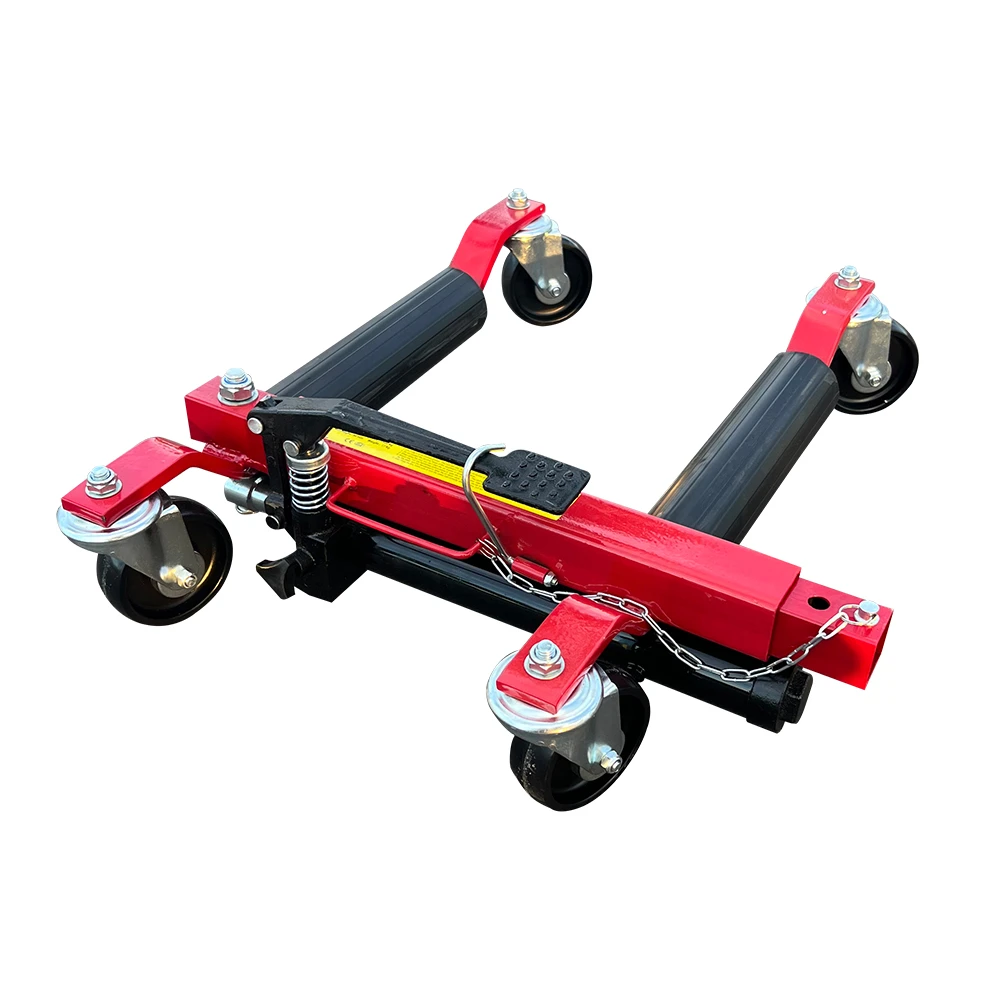
Car Jack Vehicle Mover Tow Dolly Universal Moving Tool Wheel Towing Trailer tools automatic car jack
-
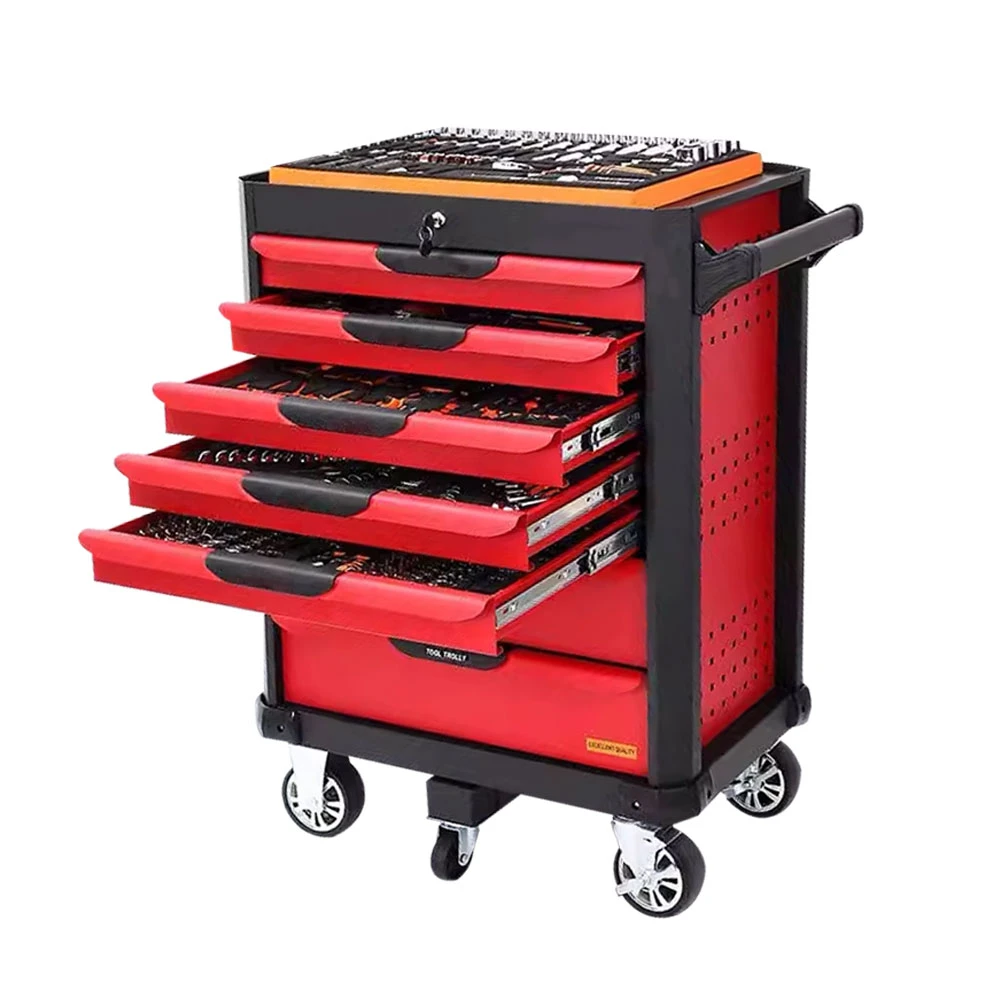
Professional All kind of Tools with Tool Cabinet, Workshop Trolley Cabinet
-
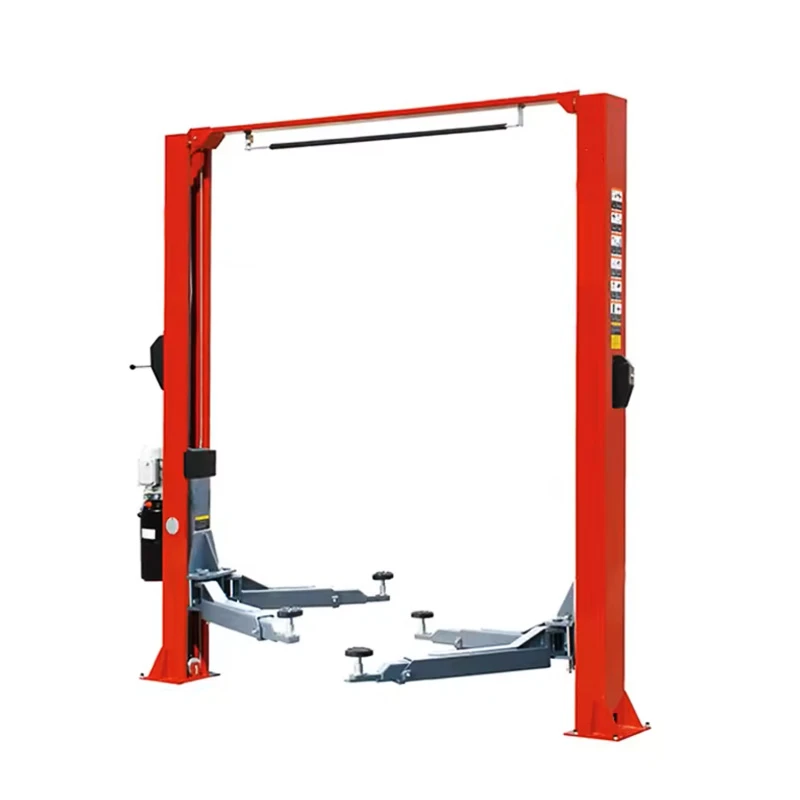
Electric Release Gantry Lifter 5t Two Post Hydraulic Used Truck Car Lifts For Sale
-
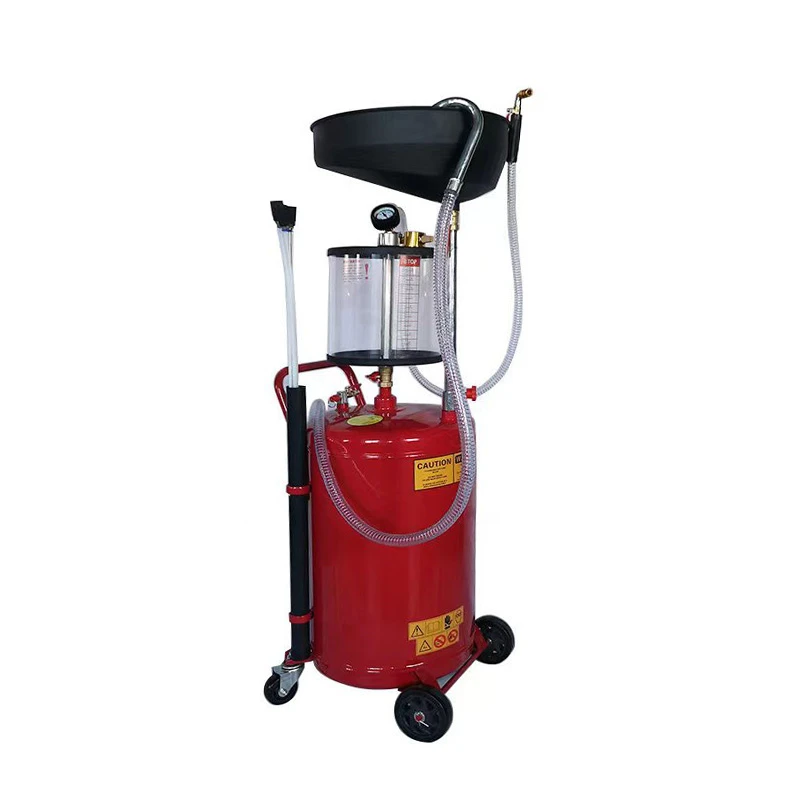
KJ-3197 Pneumatic Oil Extractor Waste Oil Changer Drainer with Lift Tank Auto Repair Tool
-
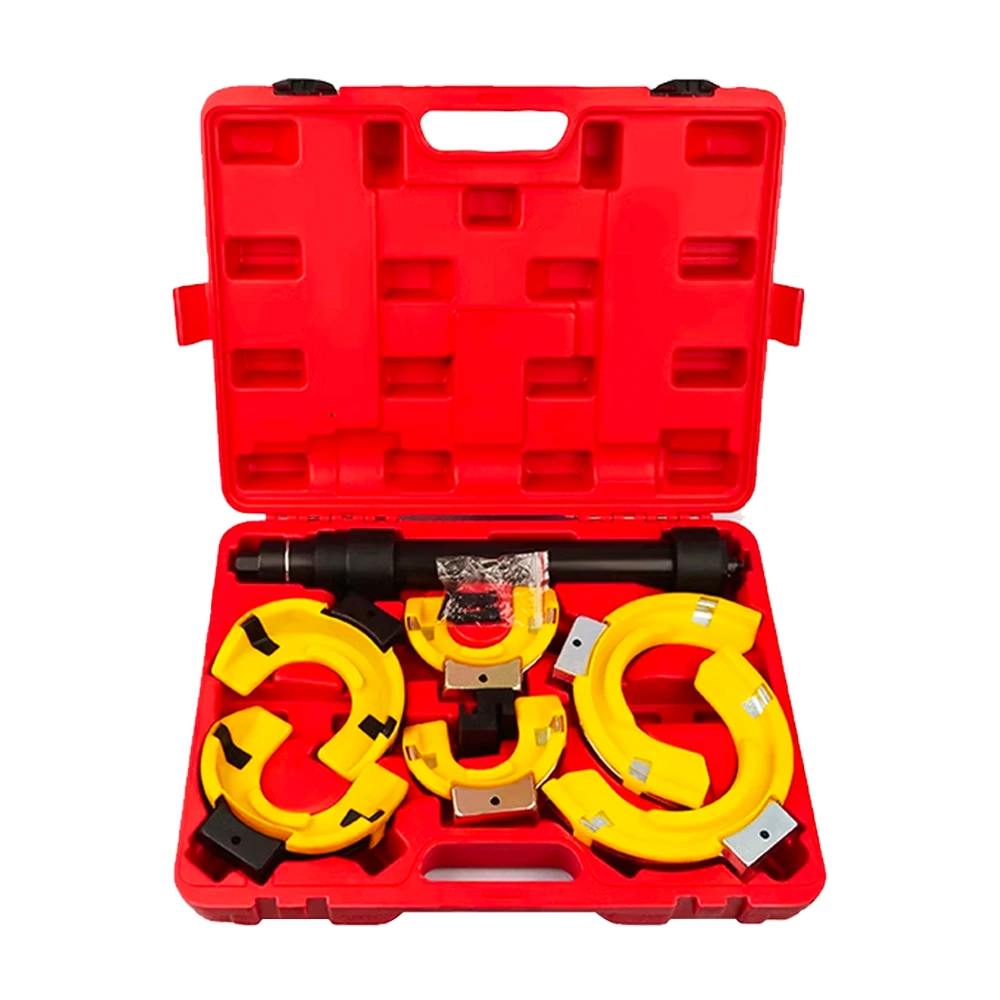
Powerful Spring Dumper Extractor Replaceable Shock Absorb Tools Strong Shock Absorber Spring Compressor Set
-
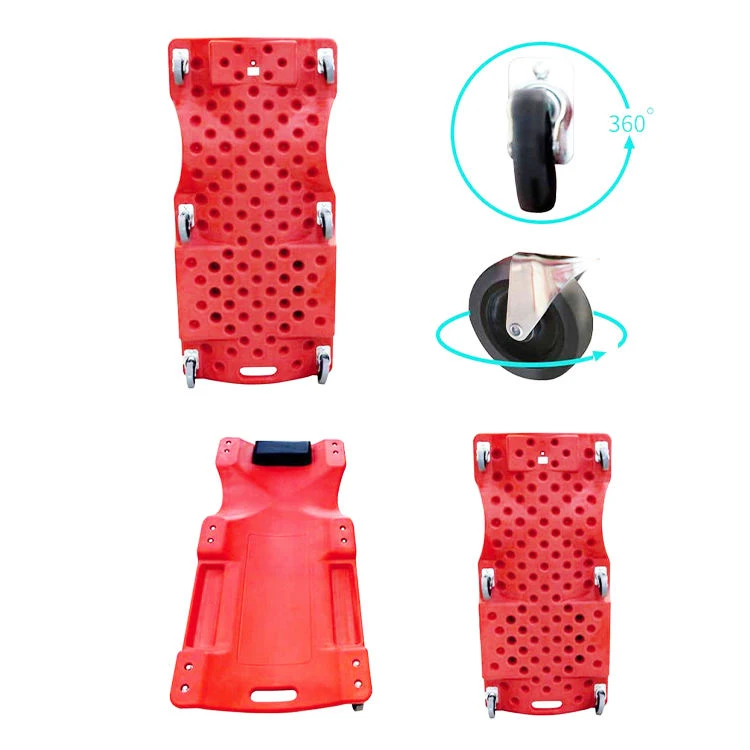
40 Inch 6 Wheel Plastic Workshop Garage Mechanics Tool Creeper Trolley Car Automotive Repair Mechanics Creeper
-
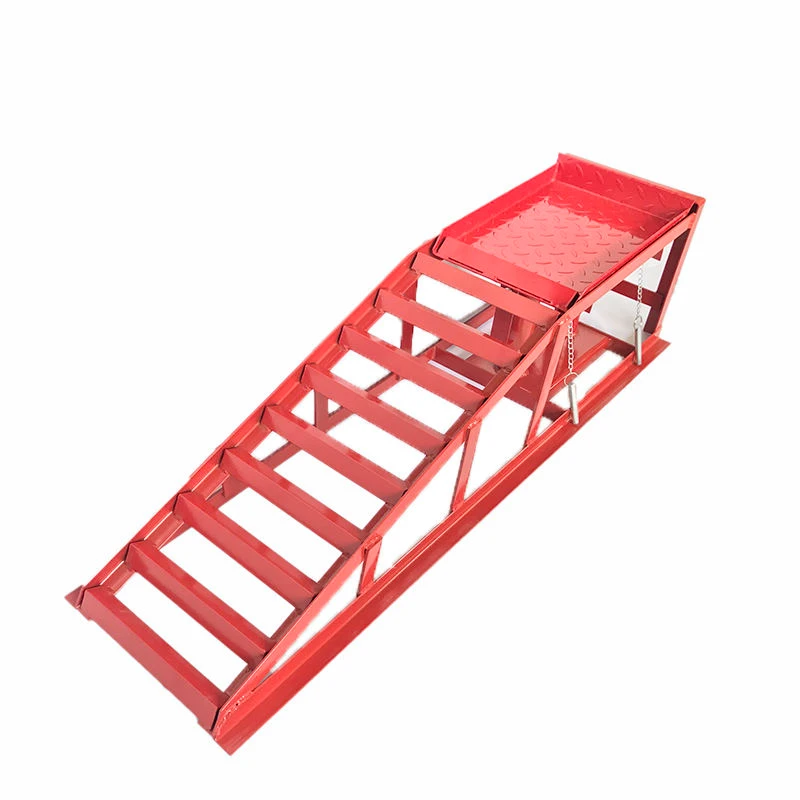
Plastic Car Ramp High Lift Auto Vehicle Car Ramp Portable Car Service Ramps
-
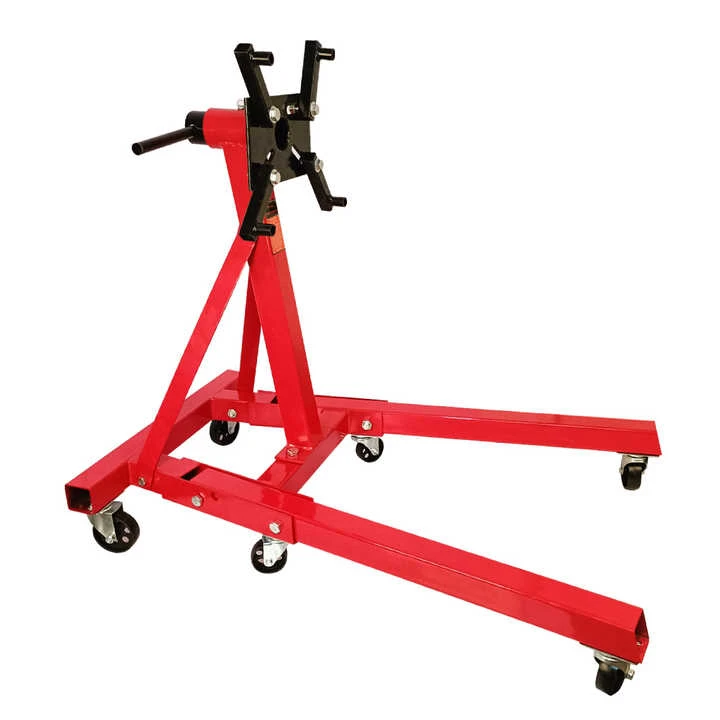
2000lb Car Engine Stand Gate Valve Machine Auto Tools Mechanical Transmission Jack With Stand Operation
-
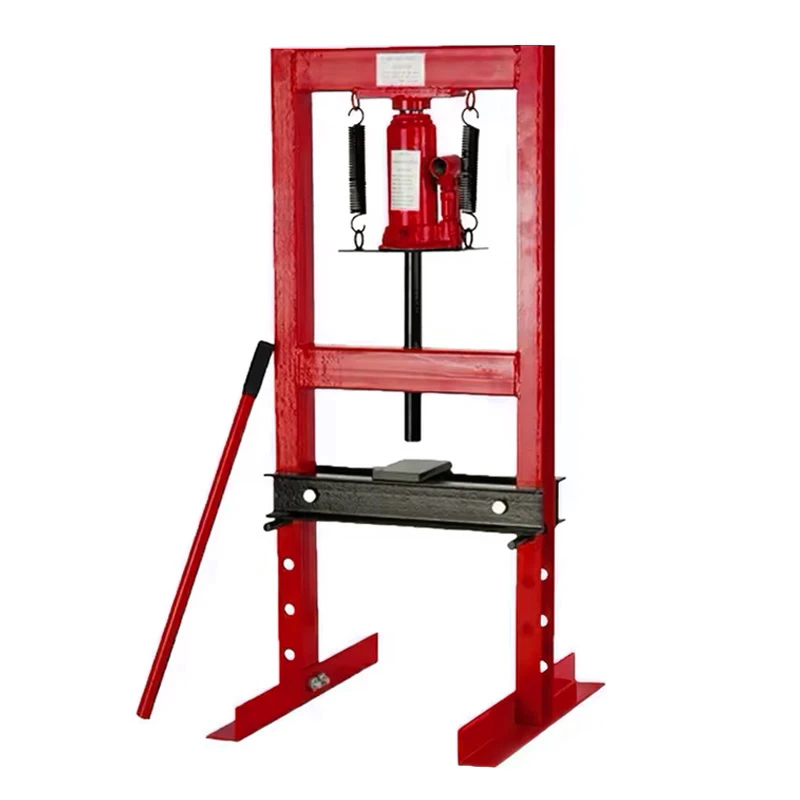
Manual Press Hand Type 6tons Hydraulic Shop Press H Frame Hydraulic Press
-
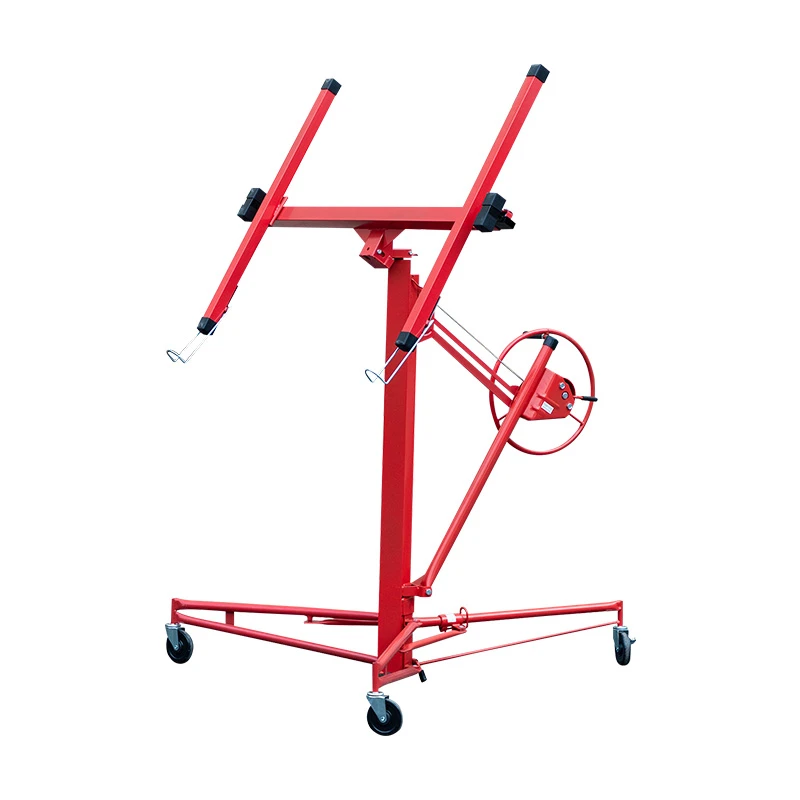
Easy-to-Use Manual Jack Lifter Construction Tools Drywall Hoist Lift Rolling Panel Drywall Rolling Lifter Panel
-
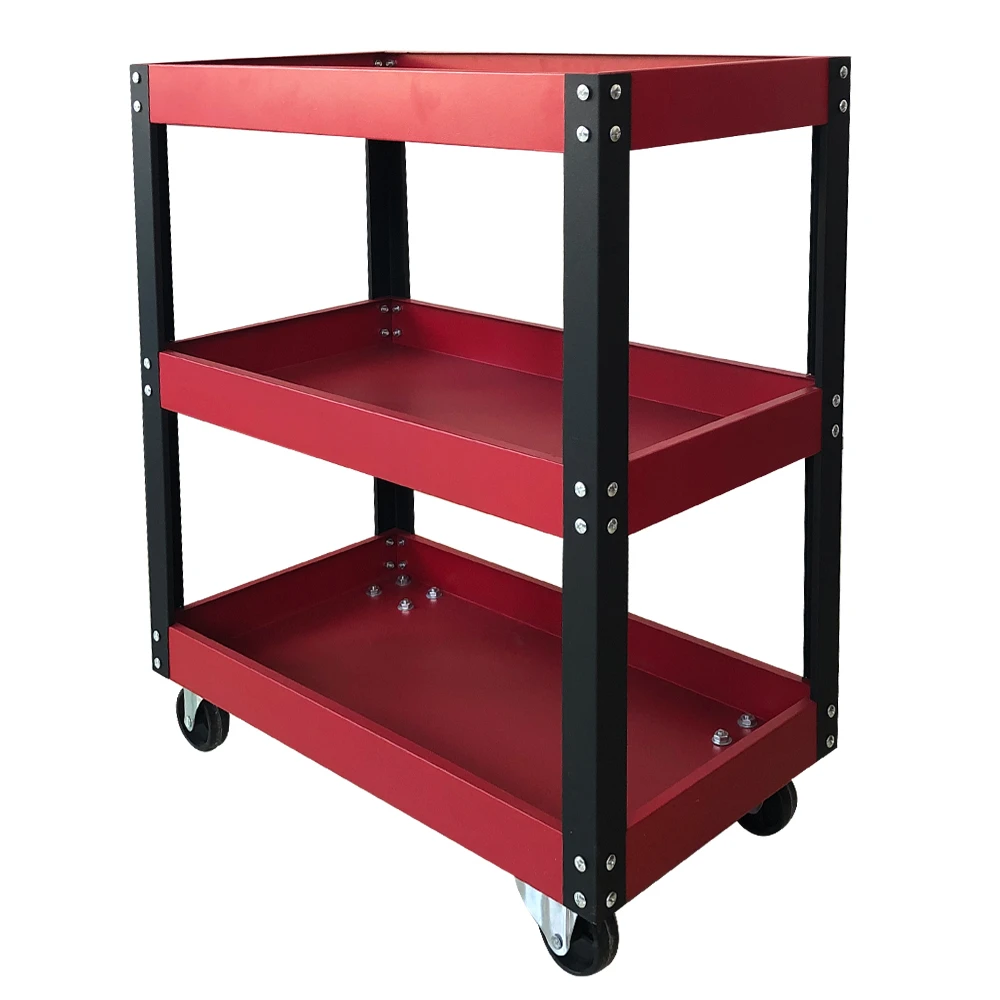
Auto Repair Tool Cart Roller Tools Box Set Mechanic Professional Cabinet for Workshop Garage Serving
-
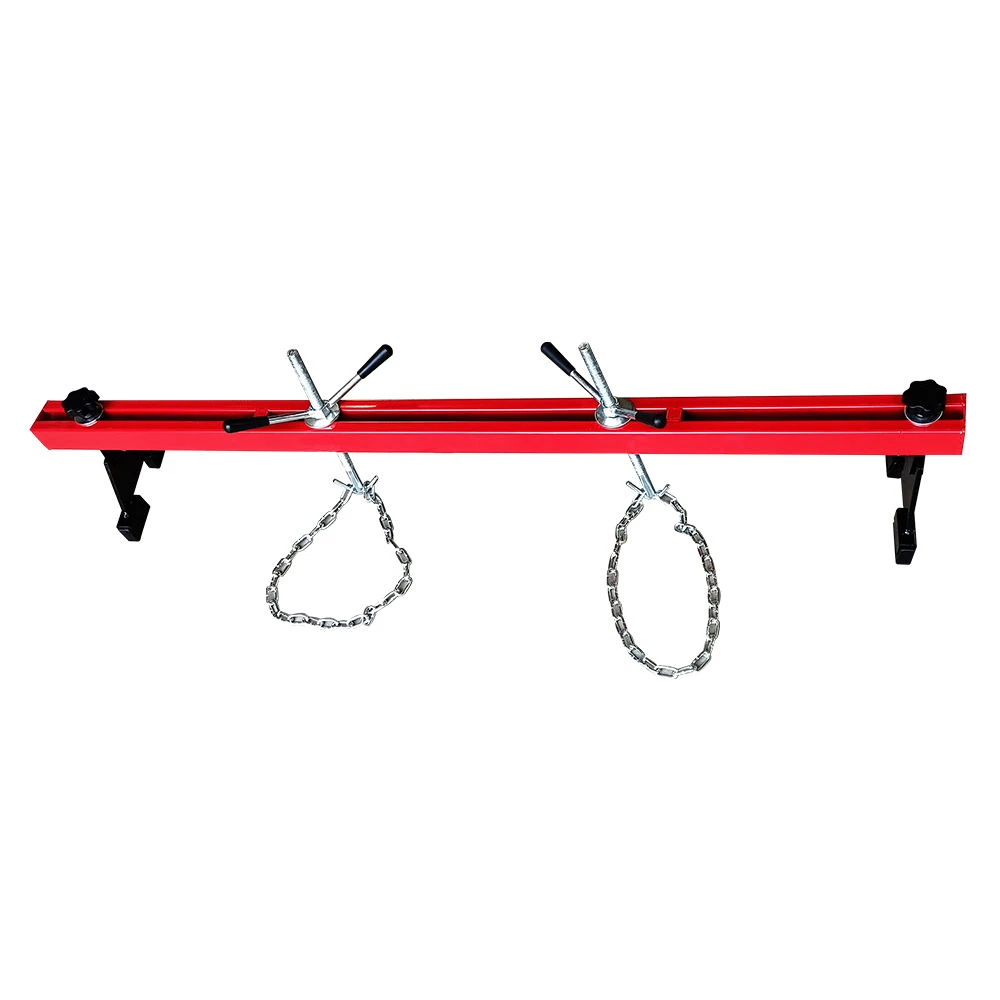
Oem Engine Support Bar 1100 Lbs Capacity Transverse Bar Engine Hoist 2 Point Lift Holder Hoist Dual Hooks Engine Bar
-
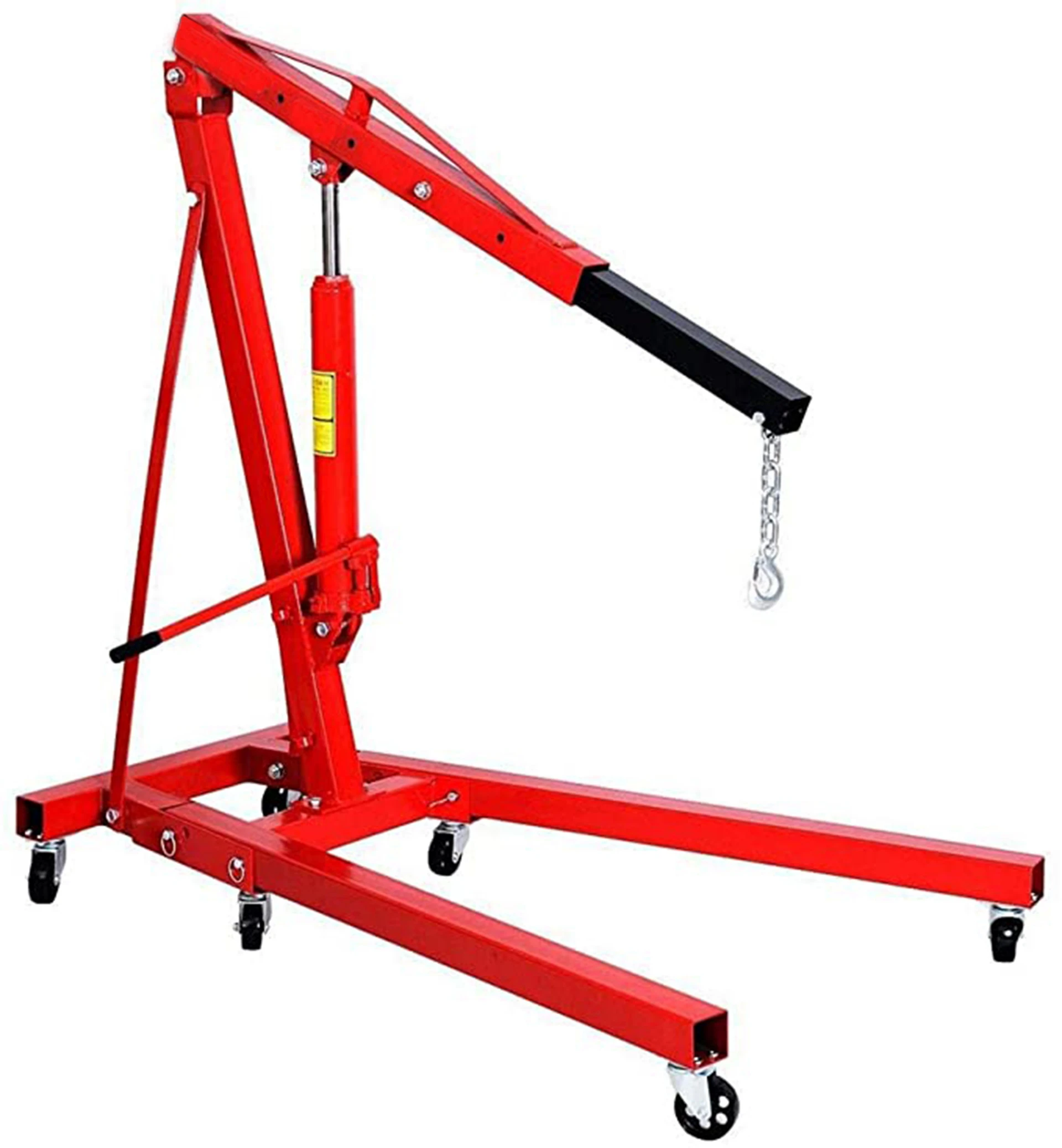
2 Ton Folding Shop Crane Lifting Machine Mini Truck Hydraulic Jack Engine Crane Folding Crane
-
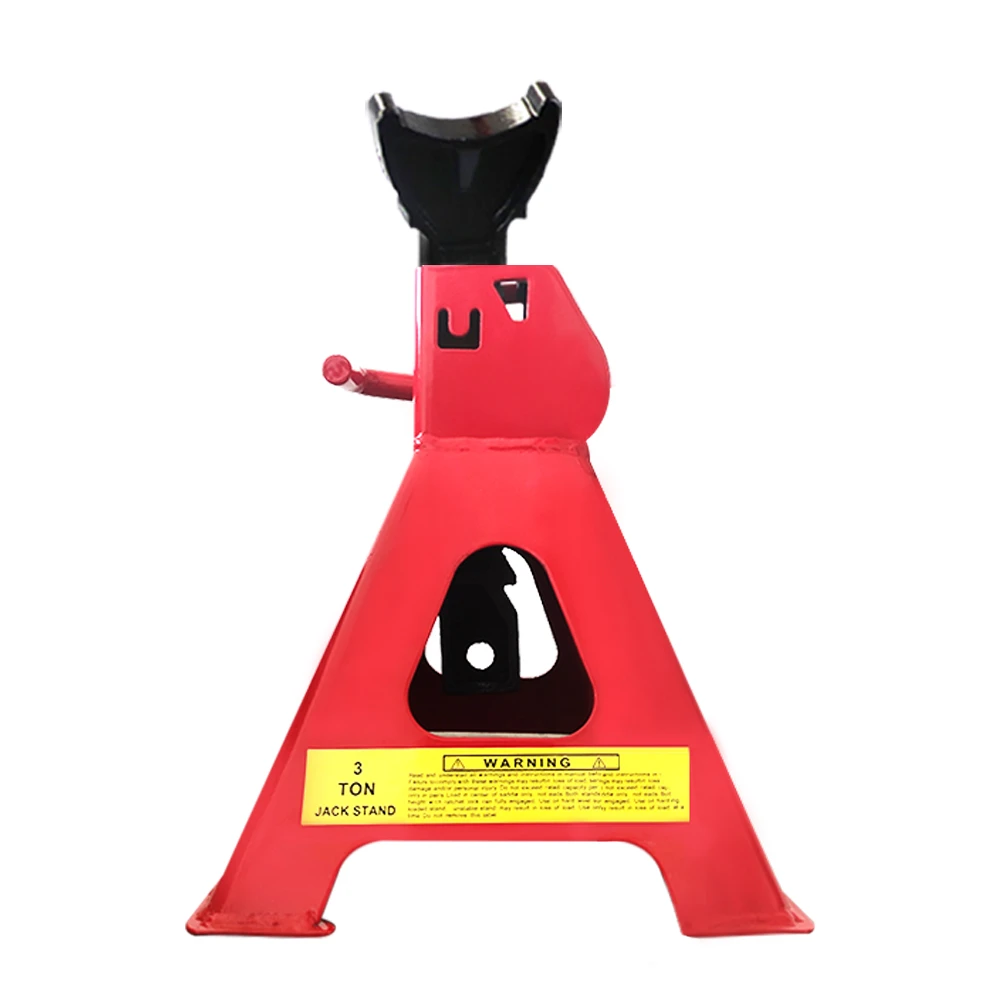
Heavy Duty Vehicle Support Car Jack Stand 3T 6T Adjustable Mobile Jack Stand
-
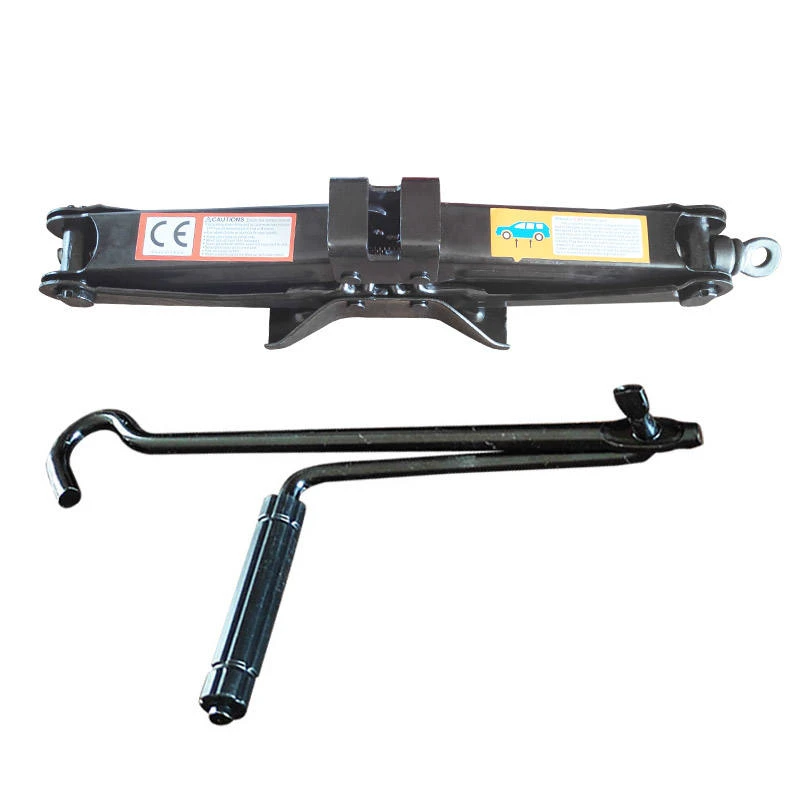
Car Lift Scissor Jack Steel Scissor Jacks Car Jack Portable
-
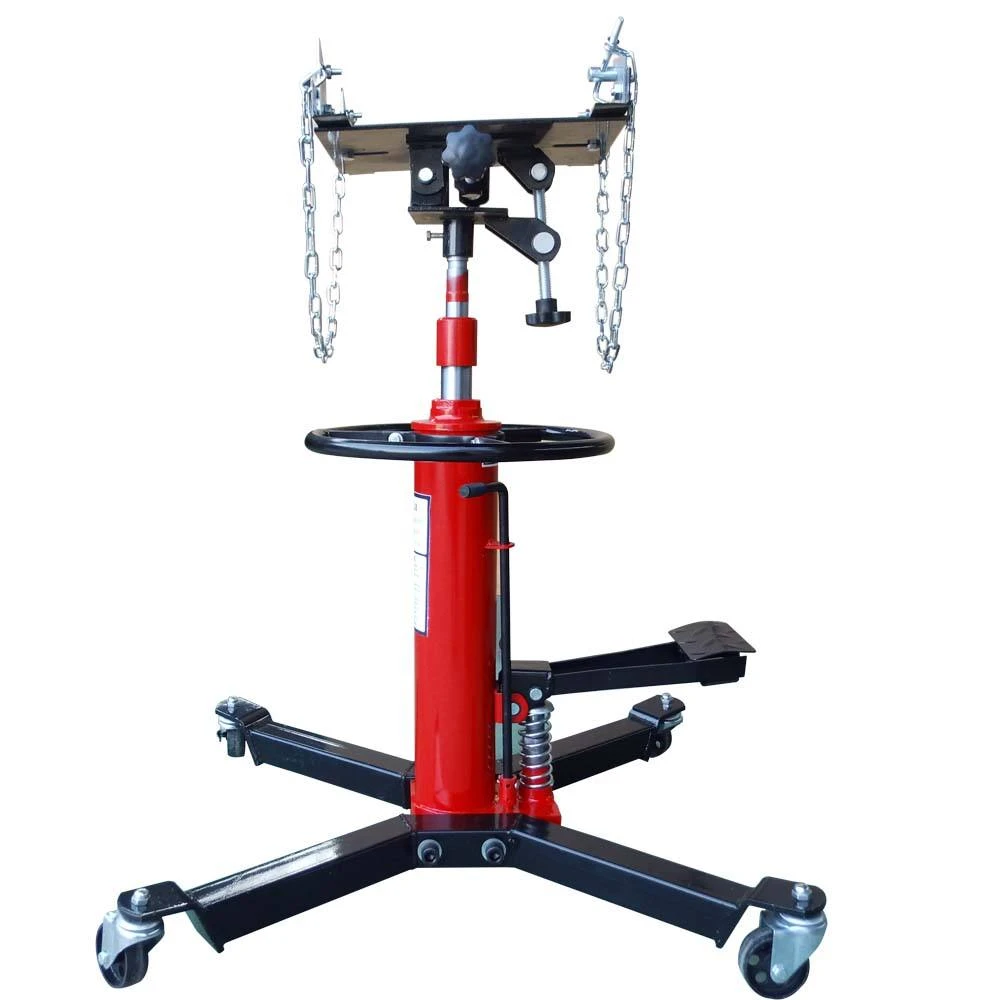
0.6T Professional Hydraulic Telescopic Transmission Jack Garage Equipment With CE For Car Engine Repair
Latest News
-
Best Car Jack 3 Ton Low Profile for Garage Lifting and Safety
NewsApr.16,2026 -
Comprehensive Guide to Choosing the Best Car Jack 1.5 Ton
NewsApr.09,2026 -
Choosing the Right Car Jack for Vehicle Maintenance and Repairs
NewsApr.07,2026 -
Choosing the Right Car Jack Lift 3 Ton for Vehicle Maintenance and Repair
NewsApr.04,2026 -
Choosing the Right Car Jack in Car for Roadside Safety and Peace of Mind
NewsMar.31,2026 -
Choosing the Right Car Jack Up for Vehicle Maintenance and Repair
NewsMar.28,2026 -
Choosing the Right Car Jack Tool for Vehicle Maintenance and Roadside Assistance
NewsMar.26,2026
 English
  Arabic
  Bengali
  China
China  French
  German
  Hausa
Hausa  Indonesian
  Italian
  Japanese
  Javanese
  Malay
Malay  Persian
  Portuguese
  Punjabi
  Russian
  Spanish
  Swahili
  Telugu
  Vietnamese