Comprehensive Guide to Choosing the Best Car Jack 1.5 Ton
The Ultimate Guide to Choosing a Car Jack 1.5 Ton for Your Vehicle
Whether you are a professional mechanic or a DIY car enthusiast, having a reliable lifting tool is non-negotiable for safety and efficiency. A car jack 1.5 ton is the ideal capacity for most compact cars, sedans, and light crossovers, providing the perfect balance between portability and lifting power. In this comprehensive guide, we will explore everything from the different types of 1.5-ton jacks to the critical safety protocols you must follow to prevent accidents in your garage. Choosing the right equipment not only simplifies tire changes but also ensures the longevity of your vehicle's chassis.
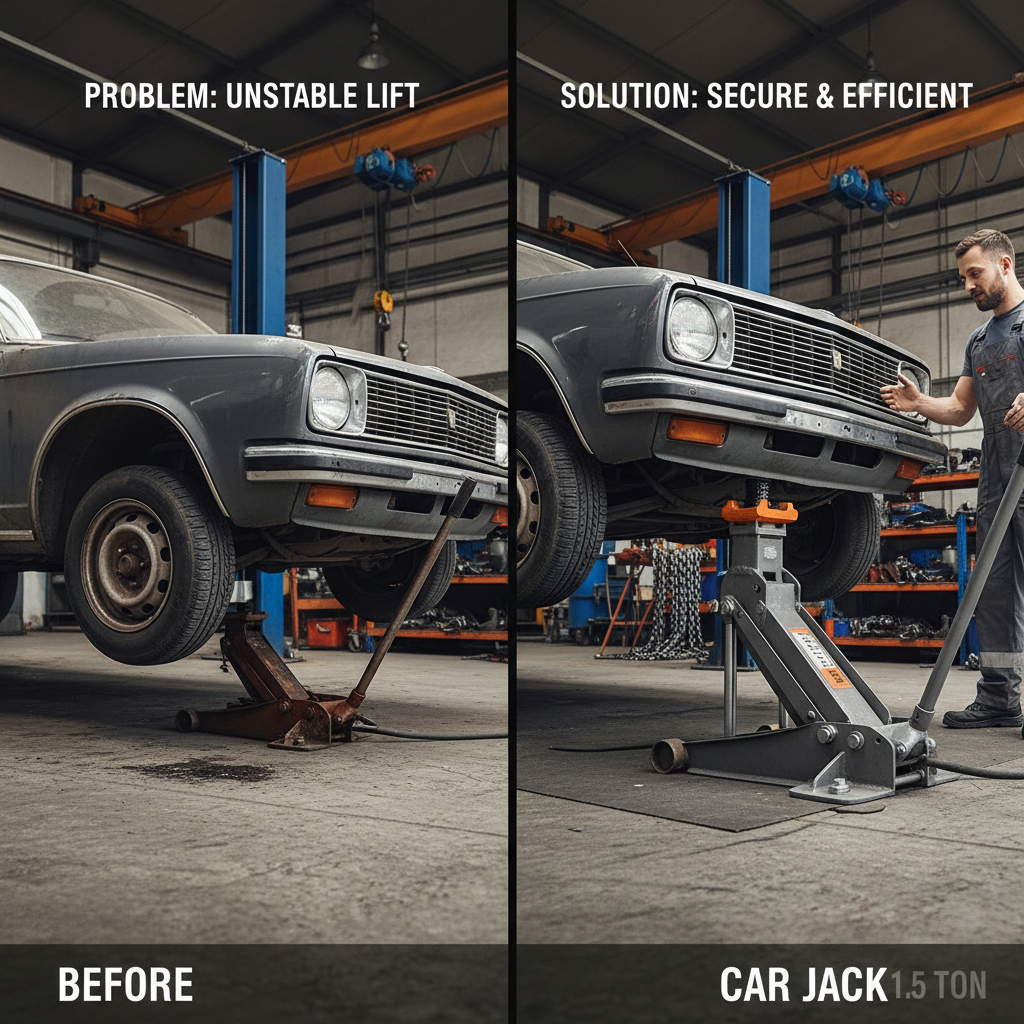
Types of Car Jack 1.5 Ton Options Available
Not all jacks are created equal. When searching for a car jack 1.5 ton, you will typically encounter three main categories: hydraulic floor jacks, scissor jacks, and bottle jacks. Floor jacks are preferred for garage work due to their low profile and ease of pumping. Scissor jacks are usually the "emergency" jacks provided by manufacturers, designed for compactness rather than frequent use. Bottle jacks offer immense power in a small footprint but require a high lifting point. Understanding which mechanism suits your specific environment is the first step toward a safer workspace.
Pro Tip: For frequent maintenance, a hydraulic floor jack is highly recommended because it reduces physical effort and provides a more stable lift than a manual scissor jack.
Comparing Hydraulic vs. Mechanical Car Jack 1.5 Ton Models
When deciding between a hydraulic and a mechanical system, you must consider the trade-off between speed and portability. Hydraulic jacks use fluid pressure to lift the vehicle effortlessly, making them a favorite for professional shops. Mechanical jacks, like the scissor type, rely on a screw mechanism that is slower but often more compact for trunk storage. To help you visualize the difference, we have compared the most common car jack 1.5 ton variations below.
Essential Safety Tips for Using a Car Jack 1.5 Ton
Safety should be your primary concern whenever you lift a vehicle. Never trust a car jack 1.5 ton as your sole support system while working underneath a car. Always use jack stands to lock the vehicle in place once it has reached the desired height. Furthermore, ensure the car is on a flat, level concrete surface to prevent the jack from slipping. Check your vehicle's owner's manual to identify the correct "jacking points" to avoid damaging the side skirts or puncturing the fuel tank.
Technical Specifications of a Standard Car Jack 1.5 Ton
When purchasing a jack, you need to look beyond the weight capacity. Parameters such as the minimum lift height (critical for lowered cars) and the maximum lift height (essential for SUV tires) determine the tool's utility. A high-quality car jack 1.5 ton typically features a reinforced steel frame and a dual-piston pump for faster lifting. Below are the standard technical specifications you can expect from a professional-grade 1.5-ton hydraulic jack.
Maintenance Tips for Your Car Jack 1.5 Ton
To ensure your equipment remains safe and functional for years, regular maintenance is key. For hydraulic models, check the oil levels periodically and bleed the air from the system if the lift feels "spongy." For mechanical jacks, keep the screw threads lubricated with a high-quality grease to prevent rust and friction. Always store your car jack 1.5 ton in a dry environment. A well-maintained jack is not only more reliable but also safer for the user during emergency roadside situations.
Maintenance Checklist:
• Check hydraulic fluid levels every 6 months
• Lubricate mechanical joints and screw threads
• Inspect for oil leaks around the seals
• Wipe clean after use to prevent corrosion
How to Select the Right Car Jack 1.5 Ton for Your Needs
When shopping for a jack, don't just look at the price tag. Consider the build quality and the manufacturer's reputation. A cheap jack might fail under pressure, leading to catastrophic results. Look for features like a safety valve that prevents overloading and a wide lifting saddle for better grip on the vehicle frame. Whether you need a compact tool for your trunk or a professional-grade lift for your home garage, prioritizing a certified car jack 1.5 ton will provide peace of mind and professional results every time you lift your vehicle.
Conclusion: Elevate Your Garage Safety
Investing in a high-quality car jack 1.5 ton is an investment in your own safety. By choosing the right type of jack, adhering to strict safety protocols, and maintaining your equipment, you can handle vehicle repairs with confidence. Remember, no job is too small to skip safety steps—always use jack stands and lift from the correct points. Visit LG Auto Repair Tool for professional-grade solutions that keep you and your vehicle safe.
Frequently Asked Questions (FAQs)
Is a 1.5 ton car jack enough for an SUV?
It depends on the SUV's curb weight. A 1.5-ton jack can lift up to 3,000 lbs. Since you are usually lifting only one corner of the vehicle at a time, a 1.5-ton jack is often sufficient for small to mid-sized crossovers. However, for full-size SUVs or vehicles with heavy modifications, we strongly recommend upgrading to a 2-ton or 3-ton jack to ensure a larger safety margin and easier lifting.
Can I use a car jack 1.5 ton on a gravel surface?
Using a jack on gravel or soft ground is extremely dangerous because the jack can sink or tilt as the weight of the car is applied. If you must lift a car on an uneven surface, use a heavy-duty jack plate or a thick piece of plywood to create a stable, flat base. This distributes the weight and prevents the car jack 1.5 ton from shifting, which could lead to the vehicle falling.
How often should I check the hydraulic oil in my jack?
You should check the hydraulic oil levels at least every six months or before any major repair project. If the jack requires more pumps than usual to reach height, or if the lift is uneven, it may be a sign of low oil or air trapped in the system. Regularly topping up the oil and bleeding the air ensures that your equipment operates smoothly and maintains its full 1.5-ton lifting capacity.
What is the difference between a floor jack and a bottle jack?
A floor jack is low-profile and sits horizontally, making it easy to slide under a car. It typically has wheels for easy positioning. A bottle jack is vertical and compact, offering high lift capacity but requiring more vertical clearance to start lifting. For most home users, a floor jack is more versatile, while a bottle jack is excellent for heavy-duty lifting or emergency storage in a truck.
Products categories
-
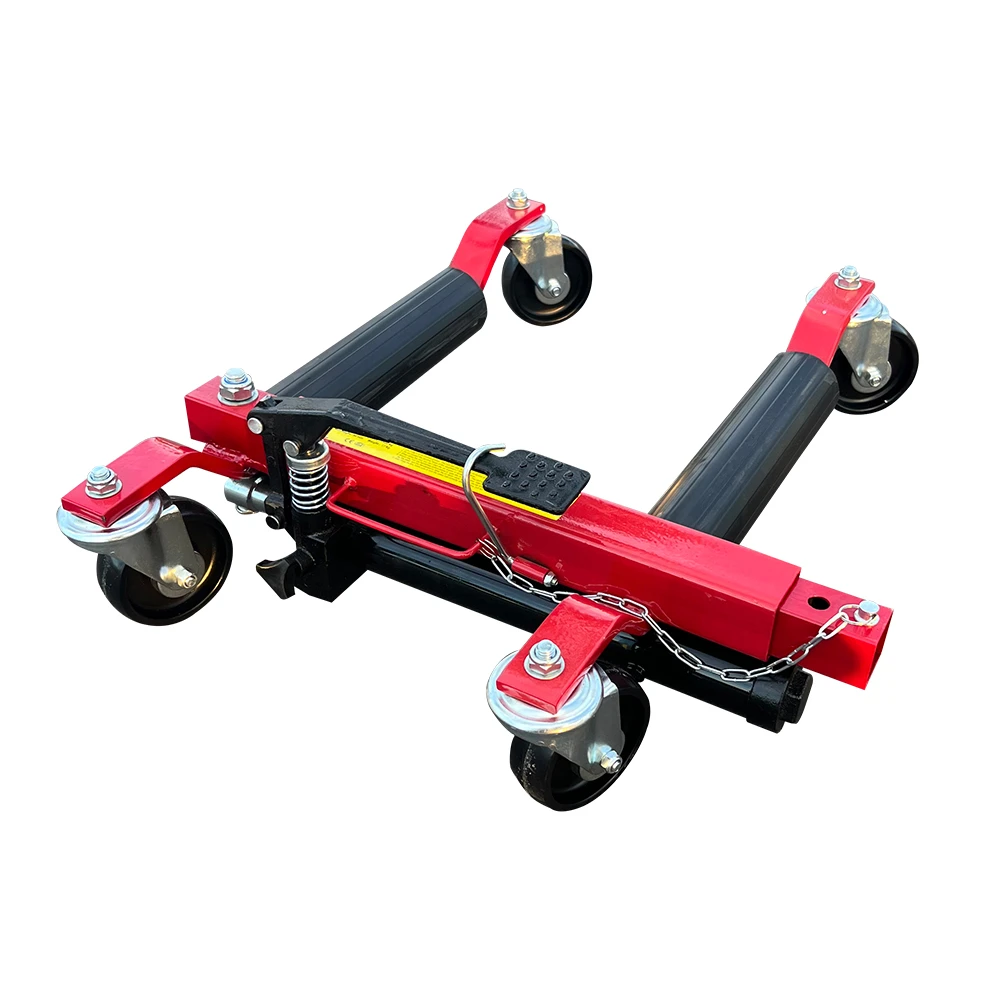
Car Jack Vehicle Mover Tow Dolly Universal Moving Tool Wheel Towing Trailer tools automatic car jack
-
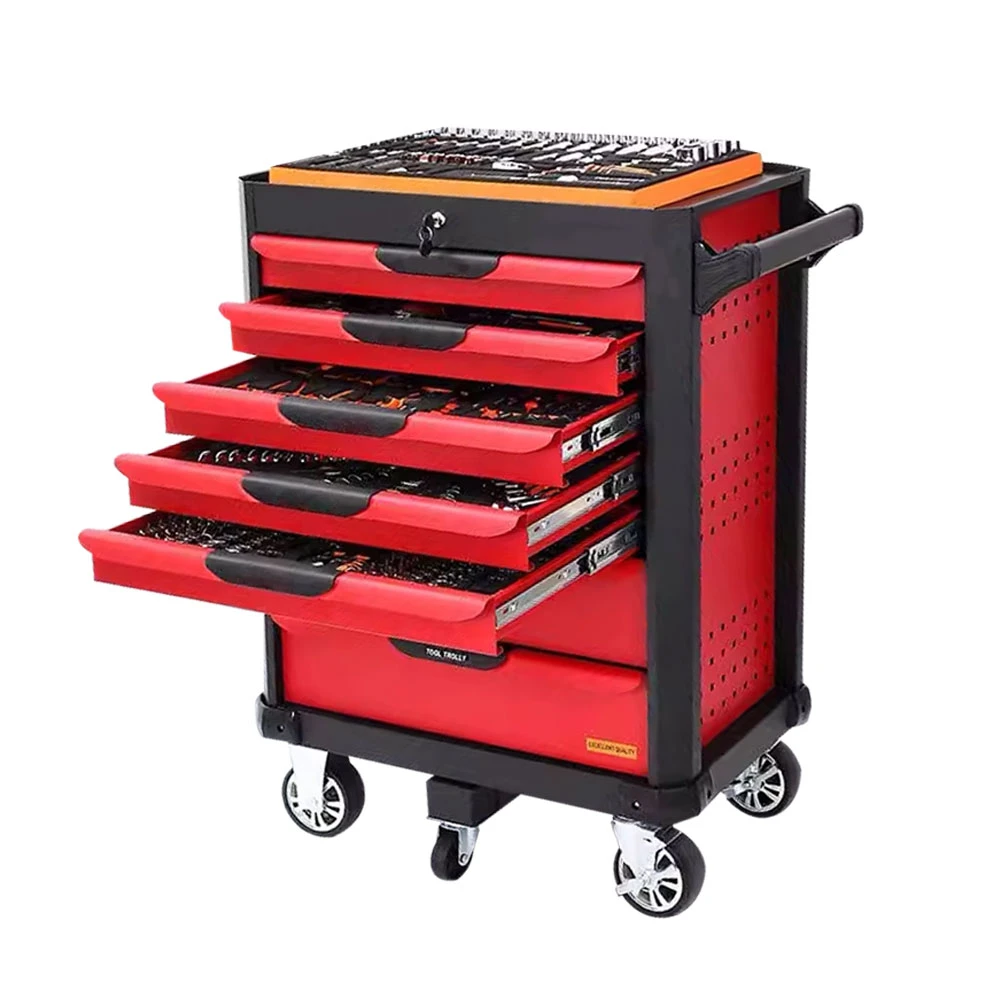
Professional All kind of Tools with Tool Cabinet, Workshop Trolley Cabinet
-
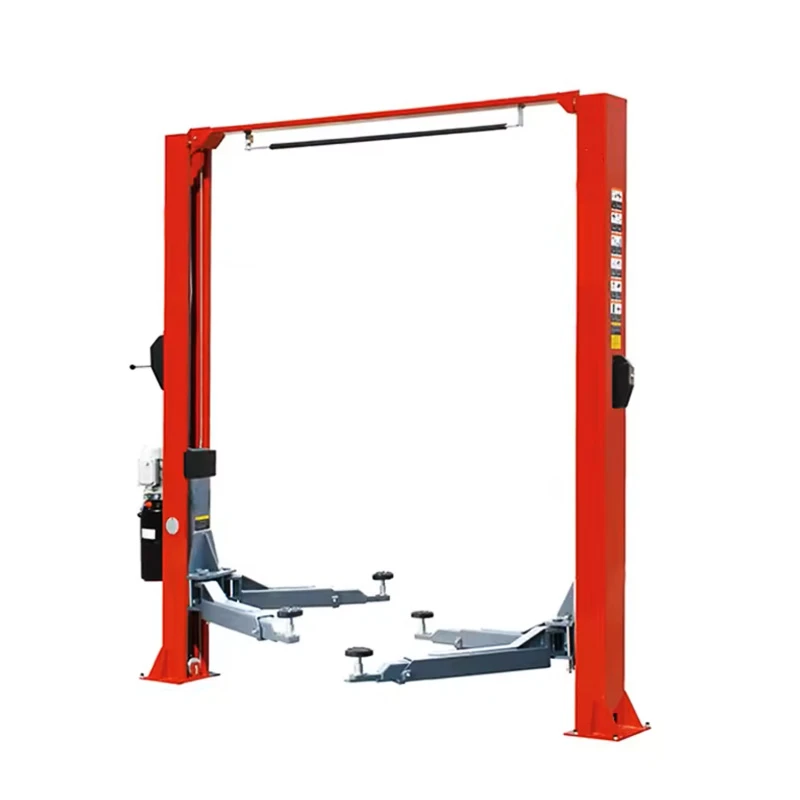
Electric Release Gantry Lifter 5t Two Post Hydraulic Used Truck Car Lifts For Sale
-
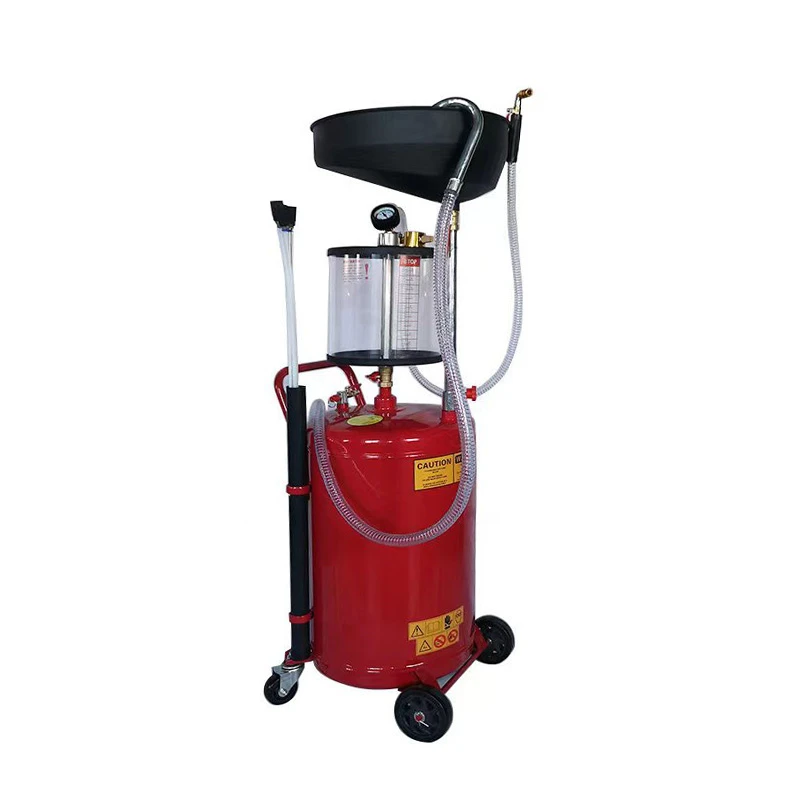
KJ-3197 Pneumatic Oil Extractor Waste Oil Changer Drainer with Lift Tank Auto Repair Tool
-
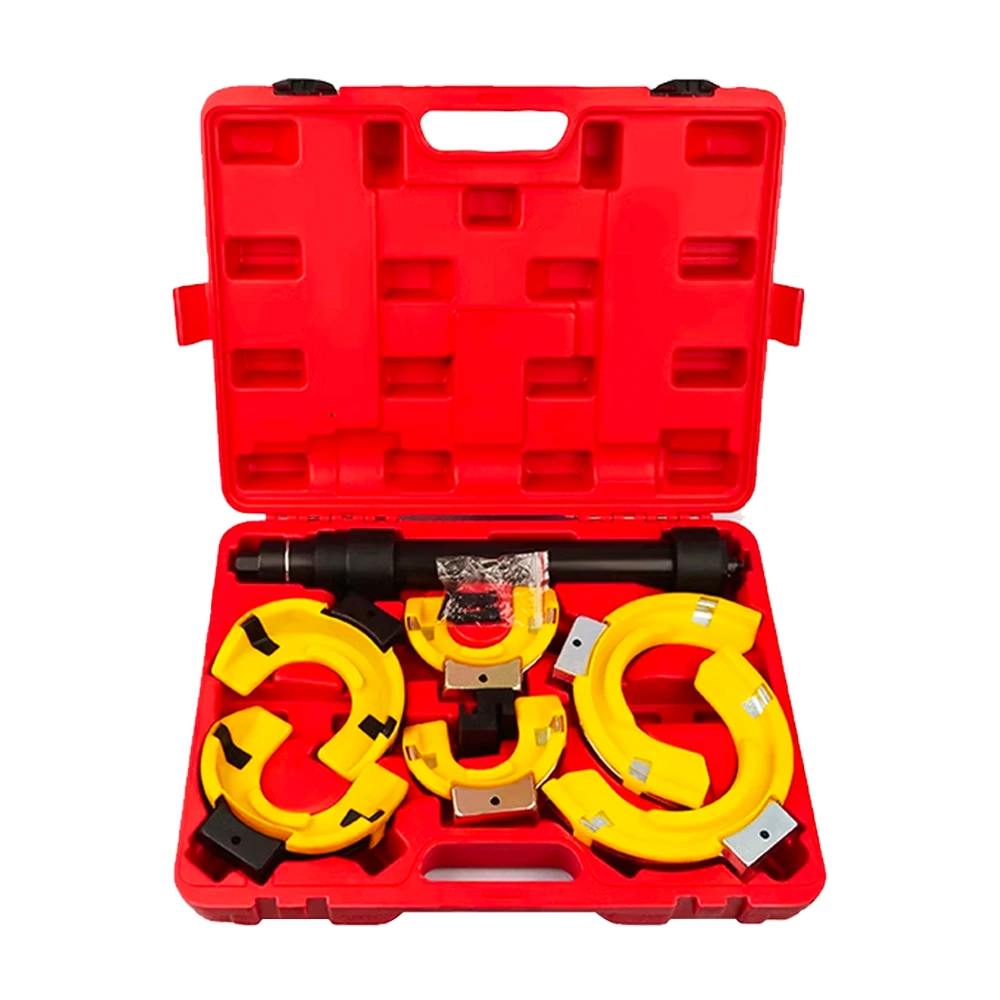
Powerful Spring Dumper Extractor Replaceable Shock Absorb Tools Strong Shock Absorber Spring Compressor Set
-
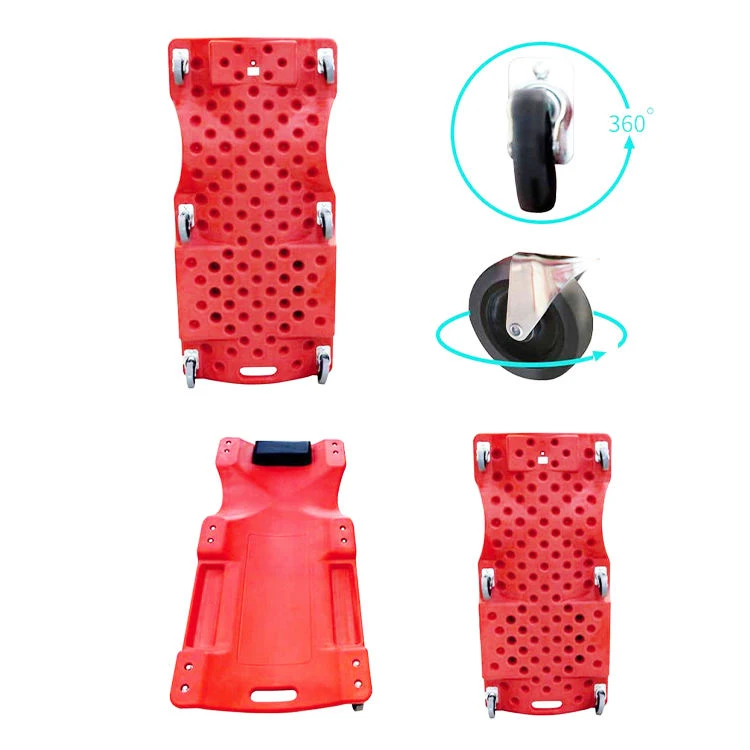
40 Inch 6 Wheel Plastic Workshop Garage Mechanics Tool Creeper Trolley Car Automotive Repair Mechanics Creeper
-
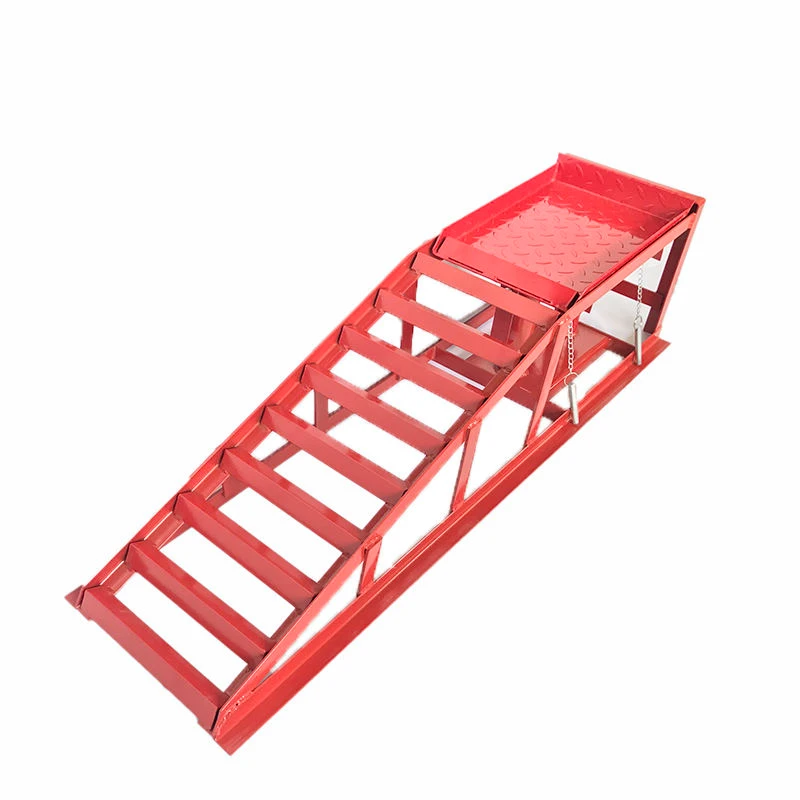
Plastic Car Ramp High Lift Auto Vehicle Car Ramp Portable Car Service Ramps
-
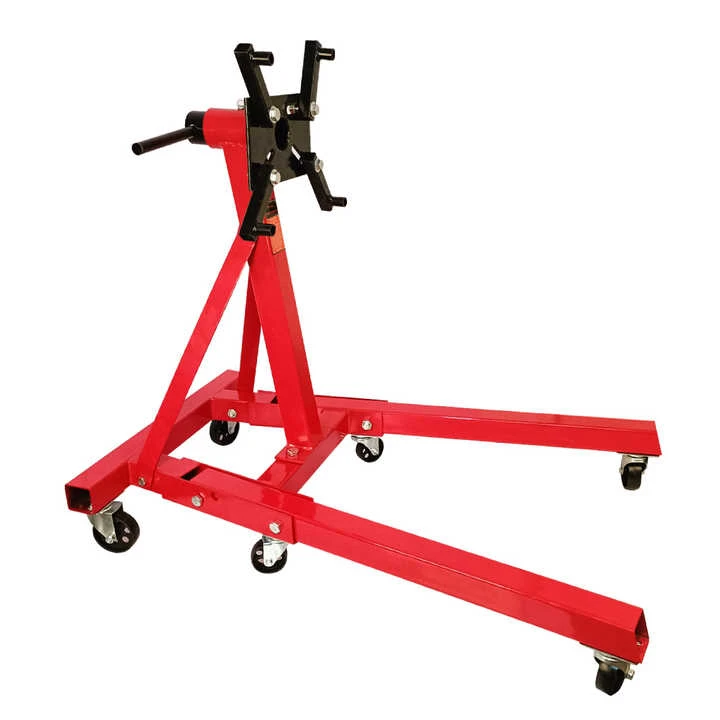
2000lb Car Engine Stand Gate Valve Machine Auto Tools Mechanical Transmission Jack With Stand Operation
-
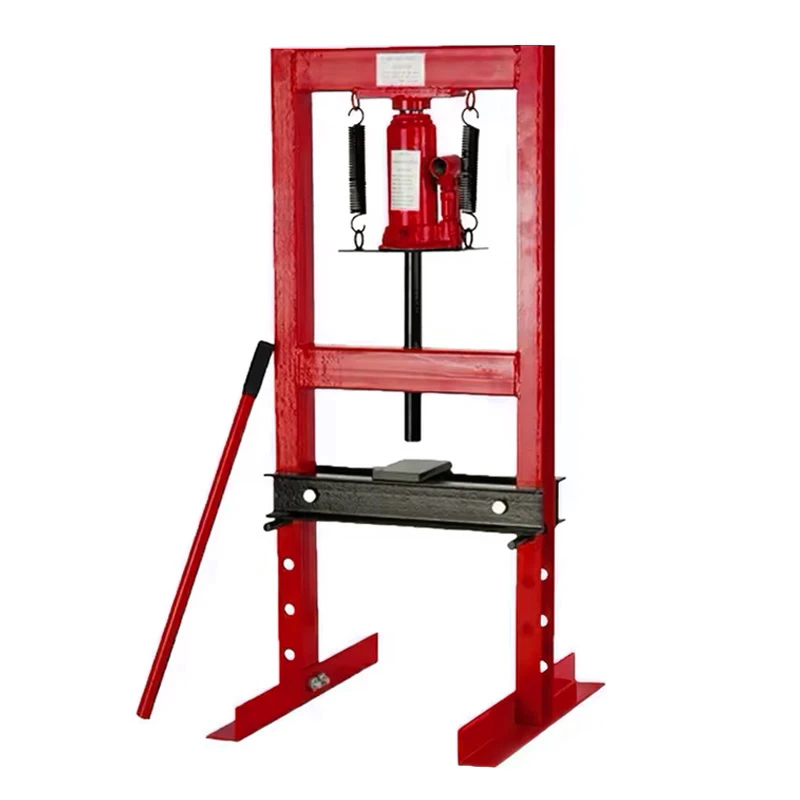
Manual Press Hand Type 6tons Hydraulic Shop Press H Frame Hydraulic Press
-
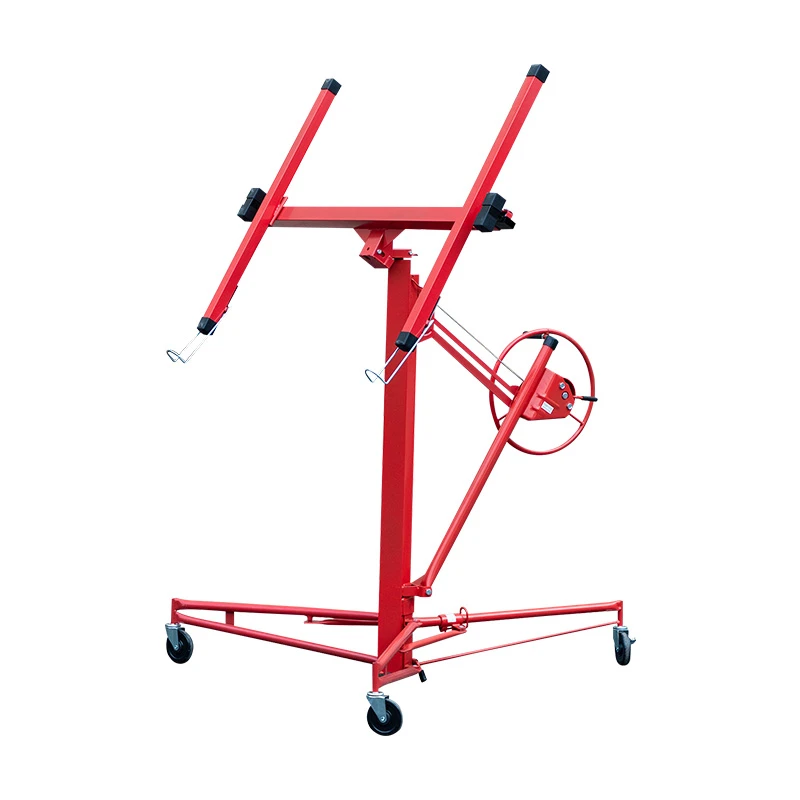
Easy-to-Use Manual Jack Lifter Construction Tools Drywall Hoist Lift Rolling Panel Drywall Rolling Lifter Panel
-
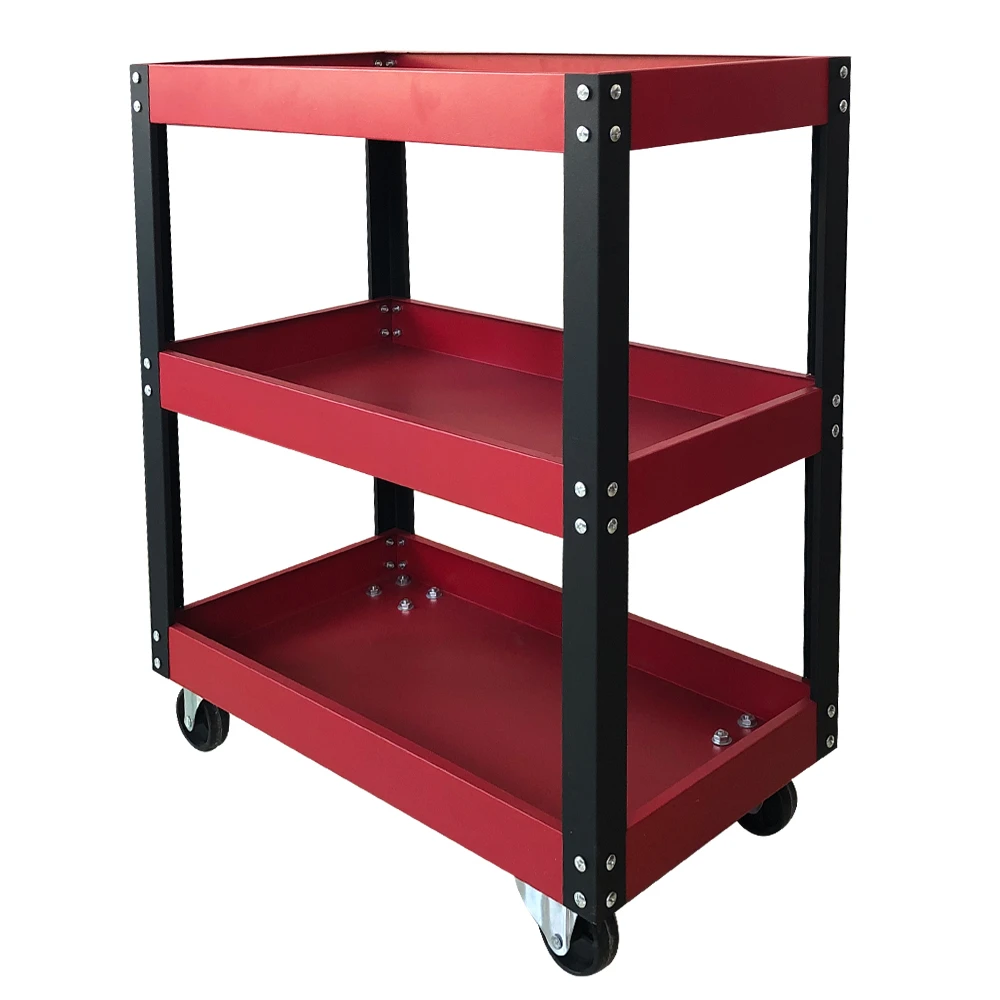
Auto Repair Tool Cart Roller Tools Box Set Mechanic Professional Cabinet for Workshop Garage Serving
-
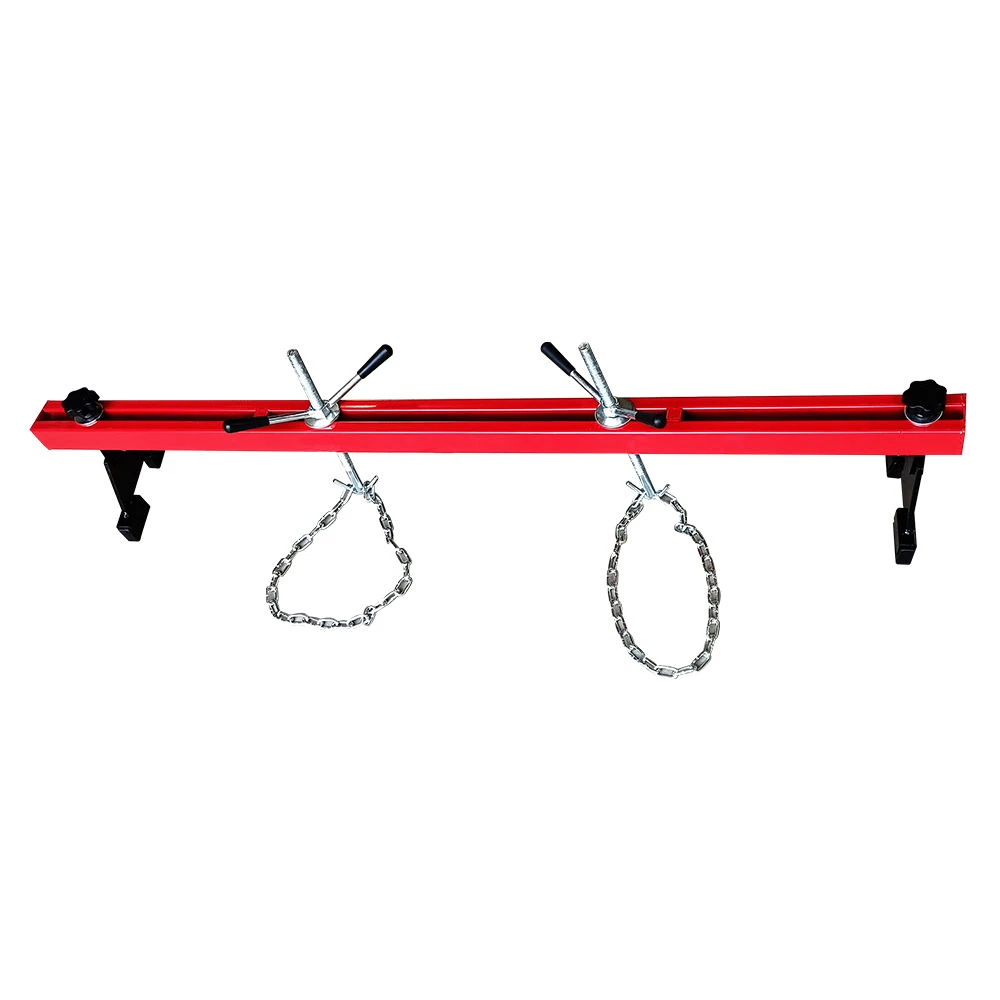
Oem Engine Support Bar 1100 Lbs Capacity Transverse Bar Engine Hoist 2 Point Lift Holder Hoist Dual Hooks Engine Bar
-
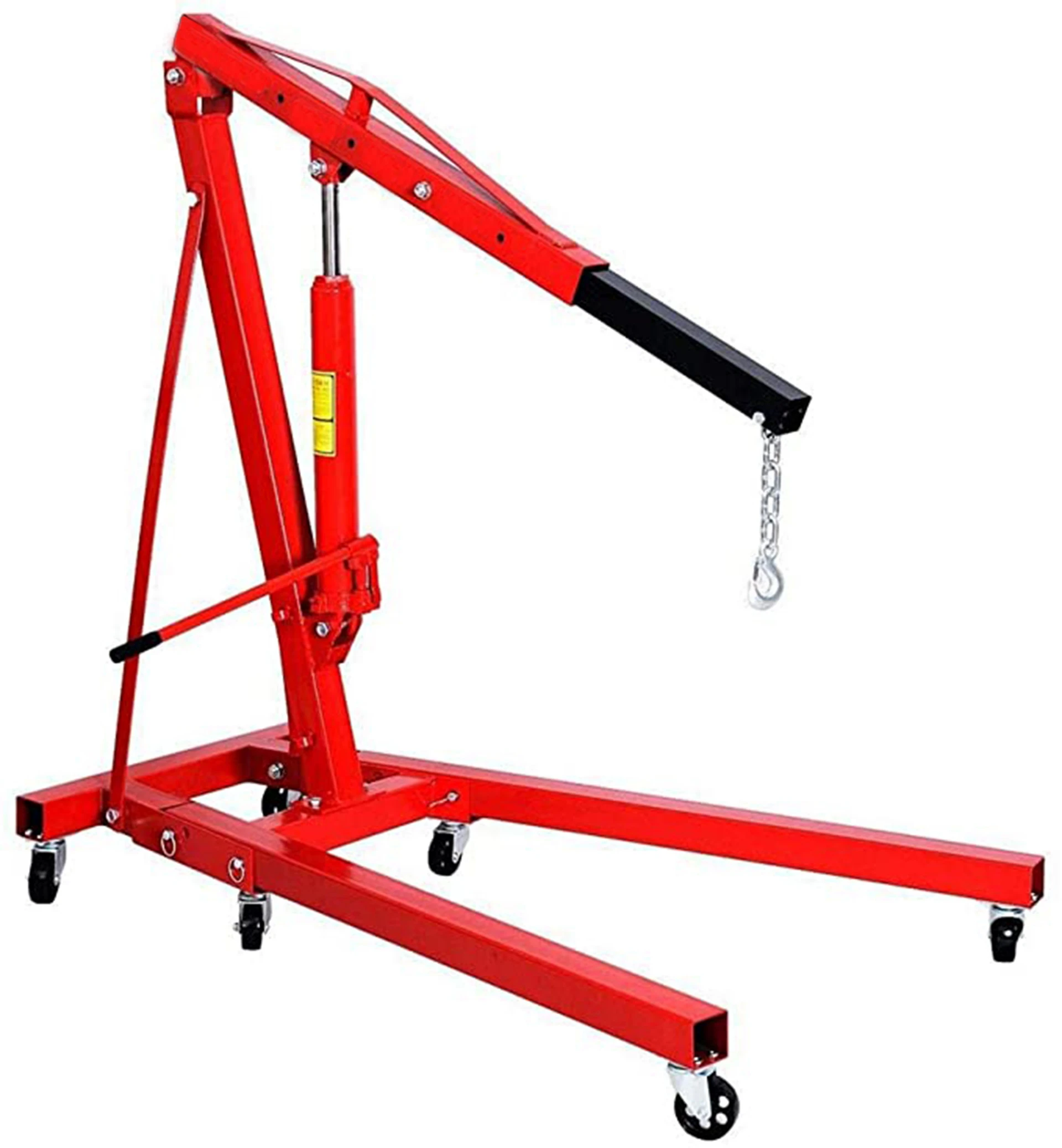
2 Ton Folding Shop Crane Lifting Machine Mini Truck Hydraulic Jack Engine Crane Folding Crane
-
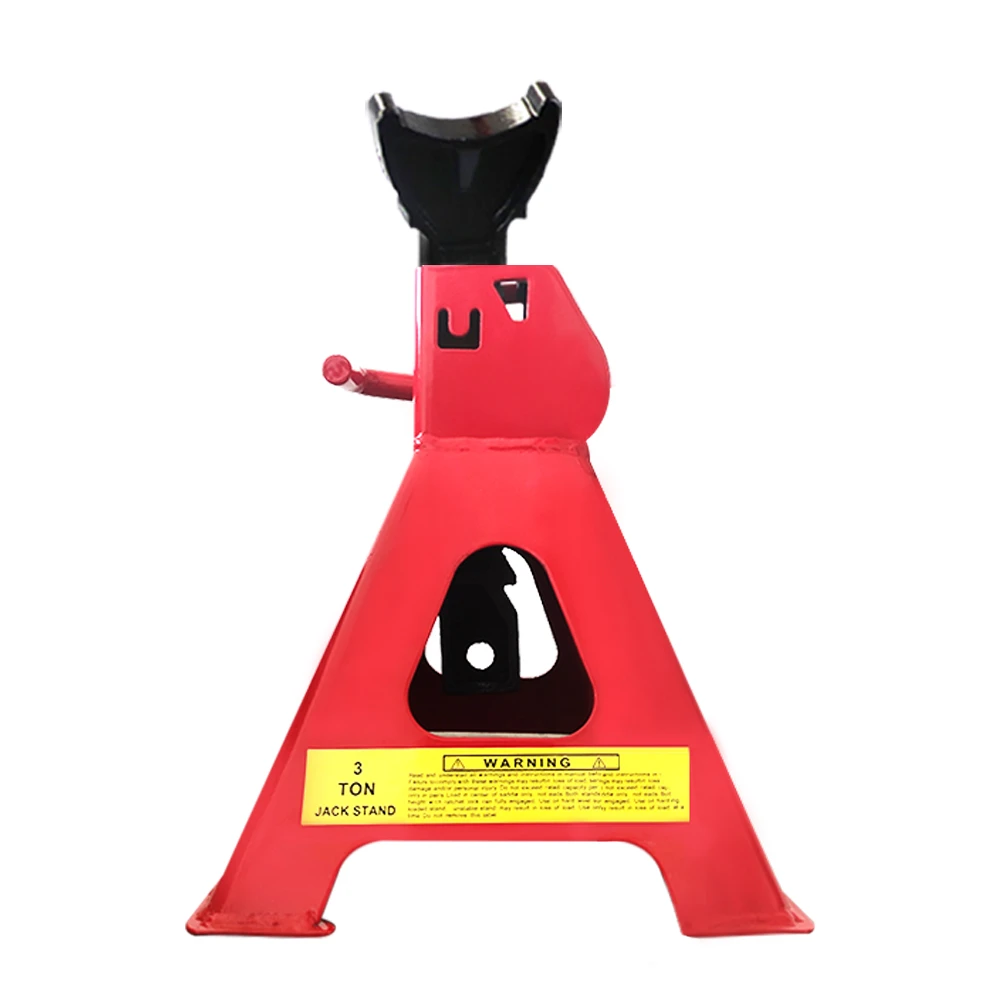
Heavy Duty Vehicle Support Car Jack Stand 3T 6T Adjustable Mobile Jack Stand
-
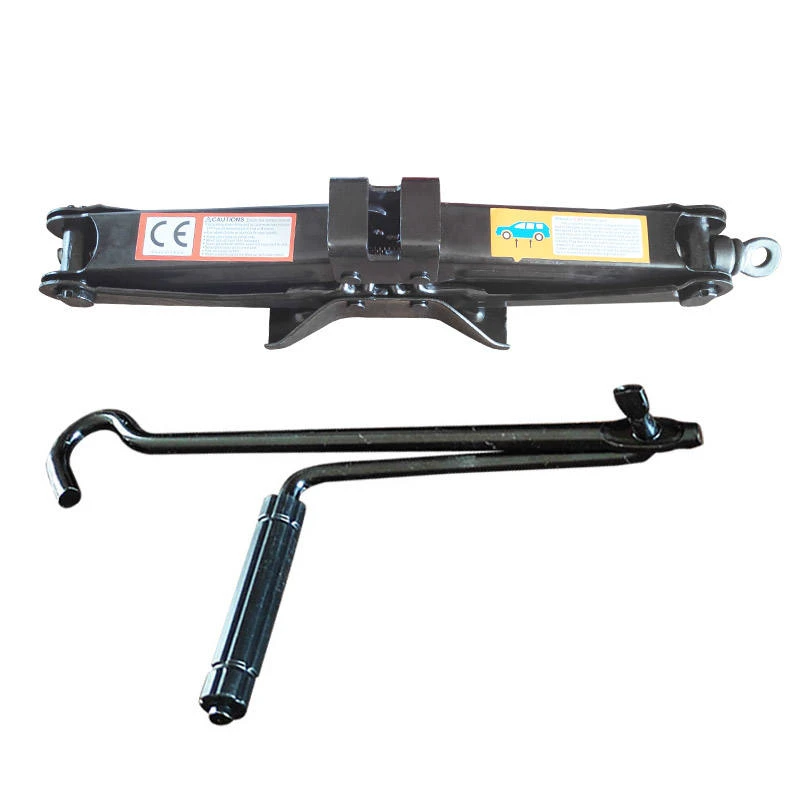
Car Lift Scissor Jack Steel Scissor Jacks Car Jack Portable
-
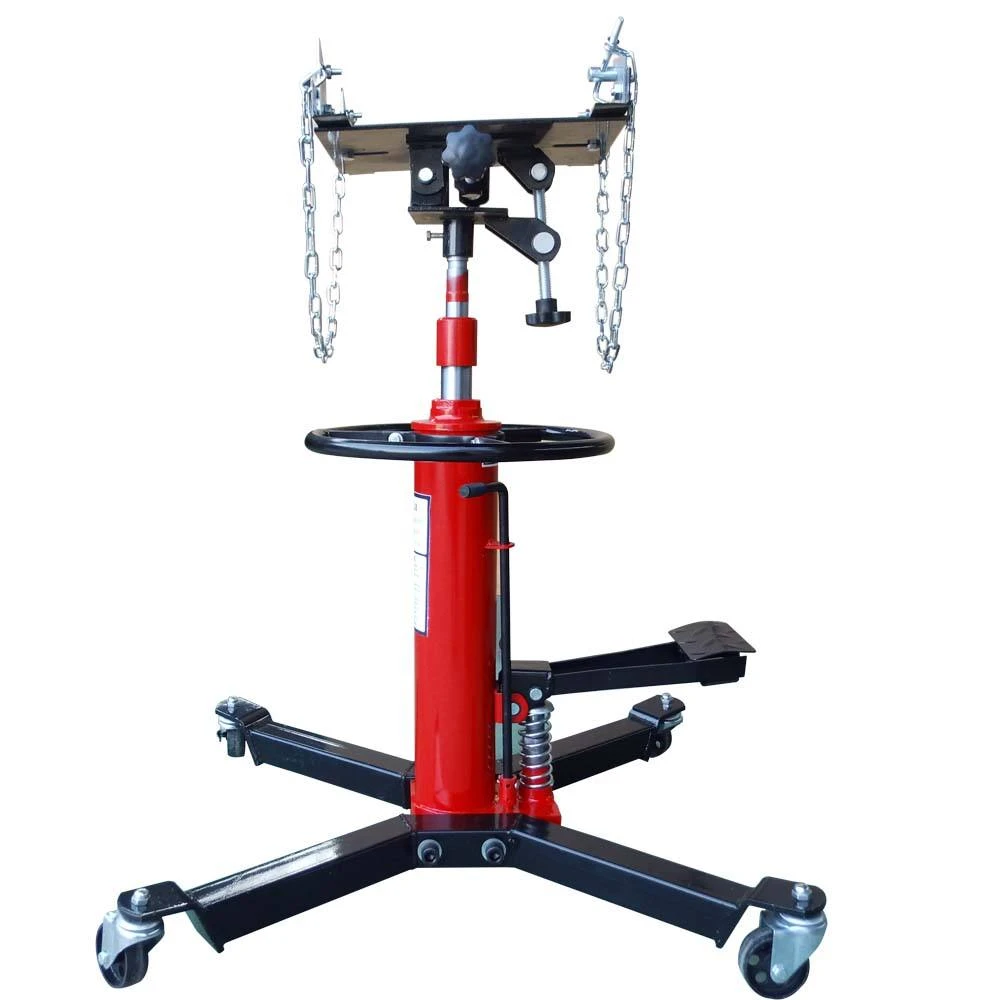
0.6T Professional Hydraulic Telescopic Transmission Jack Garage Equipment With CE For Car Engine Repair
Latest News
-
Best Car Jack 3 Ton Low Profile for Garage Lifting and Safety
NewsApr.16,2026 -
Choosing the Right Car Jack for Vehicle Maintenance and Repairs
NewsApr.07,2026 -
Choosing the Right Car Jack Lift 3 Ton for Vehicle Maintenance and Repair
NewsApr.04,2026 -
Choosing the Right Car Jack in Car for Roadside Safety and Peace of Mind
NewsMar.31,2026 -
Choosing the Right Car Jack Up for Vehicle Maintenance and Repair
NewsMar.28,2026 -
Choosing the Right Car Jack Tool for Vehicle Maintenance and Roadside Assistance
NewsMar.26,2026 -
Understanding Car Jack Ton Capacity for Safe and Efficient Vehicle Lifting
NewsMar.24,2026
 English
  Arabic
  Bengali
  China
China  French
  German
  Hausa
Hausa  Indonesian
  Italian
  Japanese
  Javanese
  Malay
Malay  Persian
  Portuguese
  Punjabi
  Russian
  Spanish
  Swahili
  Telugu
  Vietnamese