Choosing the Right Car Shop Jack for Safe and Efficient Vehicle Maintenance
Choosing the Right Car Shop Jack: A Comprehensive Guide
Selecting the appropriate car shop jack is crucial for any automotive professional or serious DIY enthusiast. A reliable jack ensures safe and efficient vehicle lifting for maintenance, repair, and tire changes. This article provides a detailed overview of different types of car shop jacks, their features, and how to choose the best one for your needs. We will explore hydraulic jacks, mechanical jacks, and scissor jacks, highlighting their pros and cons. Investing in a quality jack isn't just about convenience; it's about safety and protecting both you and your vehicle.
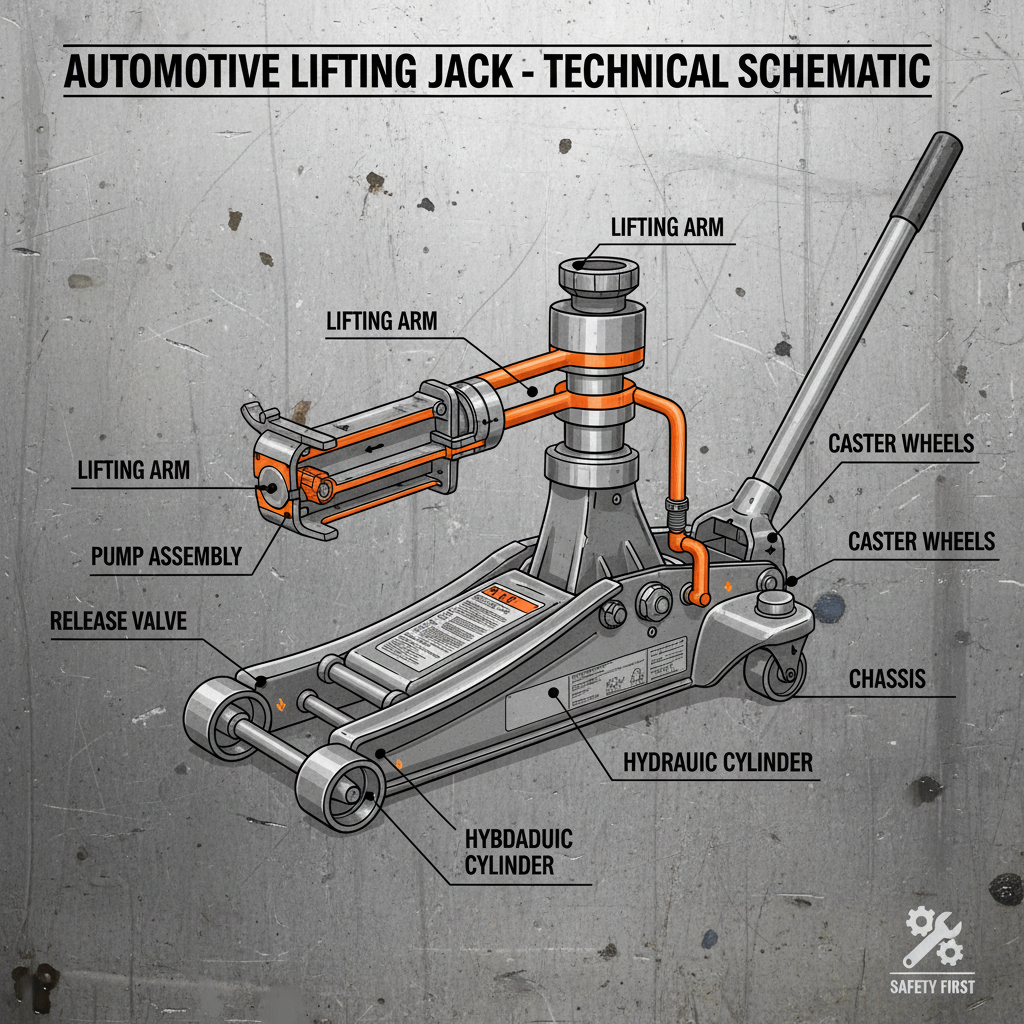
Understanding the Different Types of Car Shop Jacks
The market offers several types of car shop jacks, each designed for specific applications and budgets. The three main types are hydraulic jacks, mechanical jacks (also known as screw jacks), and scissor jacks. Hydraulic jacks are favored for their ease of use and ability to lift heavy vehicles with minimal effort. Mechanical jacks, while requiring more physical exertion, are often more affordable and reliable in the long run. Scissor jacks, typically included with vehicles, are compact and suitable for emergency tire changes, but generally lack the capacity and stability of dedicated shop jacks. Choosing the right type depends on the frequency of use, the weight of the vehicles you'll be working on, and your budget.
Key Considerations: Consider the vehicle’s weight capacity, the working height required, and the space available in your shop when selecting a jack.
Hydraulic Jacks: Power and Efficiency
Hydraulic jacks utilize a hydraulic system to amplify force, allowing users to lift heavy vehicles with minimal effort. These jacks come in several forms, including floor jacks and bottle jacks. Floor jacks feature a long handle and low profile, making them ideal for everyday use in a shop environment. Bottle jacks, while more compact, require more pumping action to reach the desired height. Hydraulic jacks are known for their efficiency and stability, making them a popular choice for professional mechanics. They are relatively easy to operate and can handle a wide range of vehicle weights. A quality hydraulic jack is a worthwhile investment for any serious automotive enthusiast.
Benefits of Hydraulic Jacks:
• Easy to operate with minimal effort
• High lifting capacity for various vehicles
• Stable and reliable performance
• Available in floor jack and bottle jack designs
Comparing Jack Types: Features and Performance
Choosing between different jack types often comes down to balancing cost, convenience, and performance. Mechanical jacks require manual cranking, offering precise control but demanding more physical effort. Hydraulic jacks provide effortless lifting but can be more expensive. Scissor jacks are the most affordable but lack the capacity and stability for regular shop use. Here's a comparative overview:
Choosing the Right Car Shop Jack for Your Needs
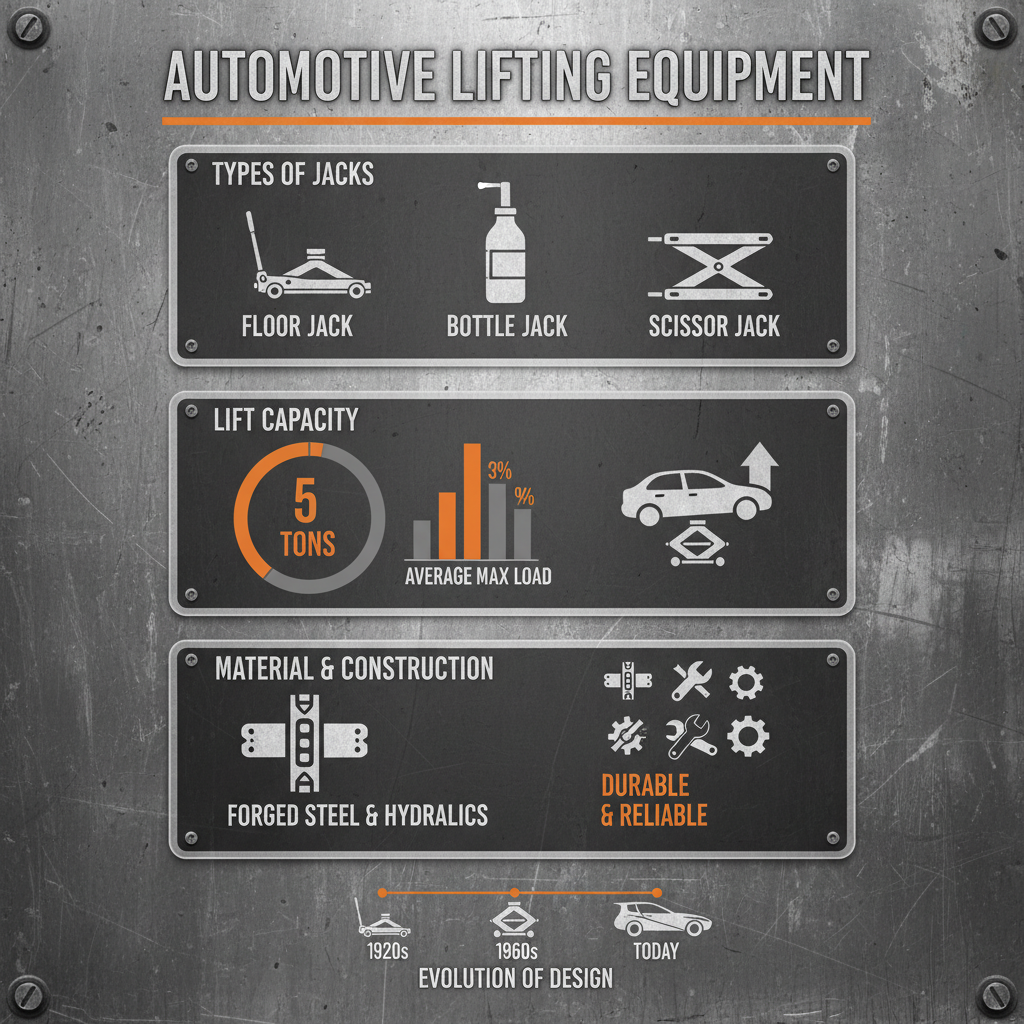
Ultimately, the best car shop jack is the one that best suits your specific requirements. If you work on a variety of vehicles and need a reliable, easy-to-use jack, a hydraulic floor jack is an excellent choice. For occasional use or budget-conscious buyers, a mechanical jack might suffice. Always prioritize safety and ensure the jack has a weight capacity that exceeds the weight of the vehicles you intend to lift. At LG Auto Repair Tool, we offer a wide selection of high-quality car shop jacks to meet every need.
Safety Precautions When Using a Car Shop Jack
Safety is paramount when working with car shop jacks. Always use jack stands to support the vehicle once it's lifted. Never work under a vehicle supported only by a jack. Ensure the jack is placed on a level, solid surface. Avoid exceeding the jack's weight capacity. Before lifting, inspect the jack for any signs of damage. Follow the manufacturer's instructions carefully. Properly storing the jack when not in use will help to maintain its functionality and prolong its lifespan.
Conclusion: Invest in Quality and Safety
A quality car shop jack is an essential tool for any automotive enthusiast or professional. Choosing the right jack, combined with strict adherence to safety precautions, ensures a safe and efficient working environment. Explore the comprehensive range of jacks available at LG Auto Repair Tool and invest in the tools you need to get the job done right.
Frequently Asked Questions (FAQs)
What weight capacity jack do I need?
Determining the correct weight capacity is critical. First, find the Gross Vehicle Weight Rating (GVWR) of the vehicles you'll be working on – this information is usually found on a sticker inside the driver's side doorjamb or in the owner's manual. Always choose a jack with a weight capacity that exceeds the GVWR by at least 25%. This provides a safety margin. For example, if a vehicle's GVWR is 4,000 lbs, you should select a jack with a capacity of at least 5,000 lbs. Never attempt to lift a vehicle that exceeds the jack's rated capacity, as this can lead to jack failure and serious injury.
Are hydraulic jacks better than mechanical jacks?
The "better" jack depends on your needs. Hydraulic jacks offer effortless lifting and are ideal for frequent use, especially with heavier vehicles. Mechanical jacks require more physical effort but are often more affordable and can be more reliable in situations where hydraulics might fail. Hydraulic jacks are generally preferred by professionals, while mechanical jacks can be a good option for DIYers on a budget who don't need to lift vehicles very often. Consider your budget, frequency of use, and the types of vehicles you'll be working on when making your decision.
What are jack stands and why are they important?
Jack stands are essential safety devices used to support a vehicle once it has been lifted with a jack. They are designed to securely hold the vehicle's weight, preventing it from collapsing if the jack were to fail. Never work under a vehicle supported only by a jack! Always place jack stands under designated support points on the vehicle's frame, as indicated in the owner's manual. Ensure the jack stands are properly rated for the weight of the vehicle and are placed on a level, solid surface. Using jack stands is a non-negotiable safety practice.
How often should I inspect my car shop jack?
Regular inspection of your car shop jack is vital for maintaining safety. Before each use, check for any signs of damage, such as leaks in the hydraulic system, cracks in the frame, or bent components. Ensure all moving parts are functioning smoothly and that the release mechanism operates correctly. For hydraulic jacks, check the oil level and top it off if necessary. If you notice any issues, do not use the jack until it has been repaired or replaced. Annual professional inspection is also recommended.
Products categories
-
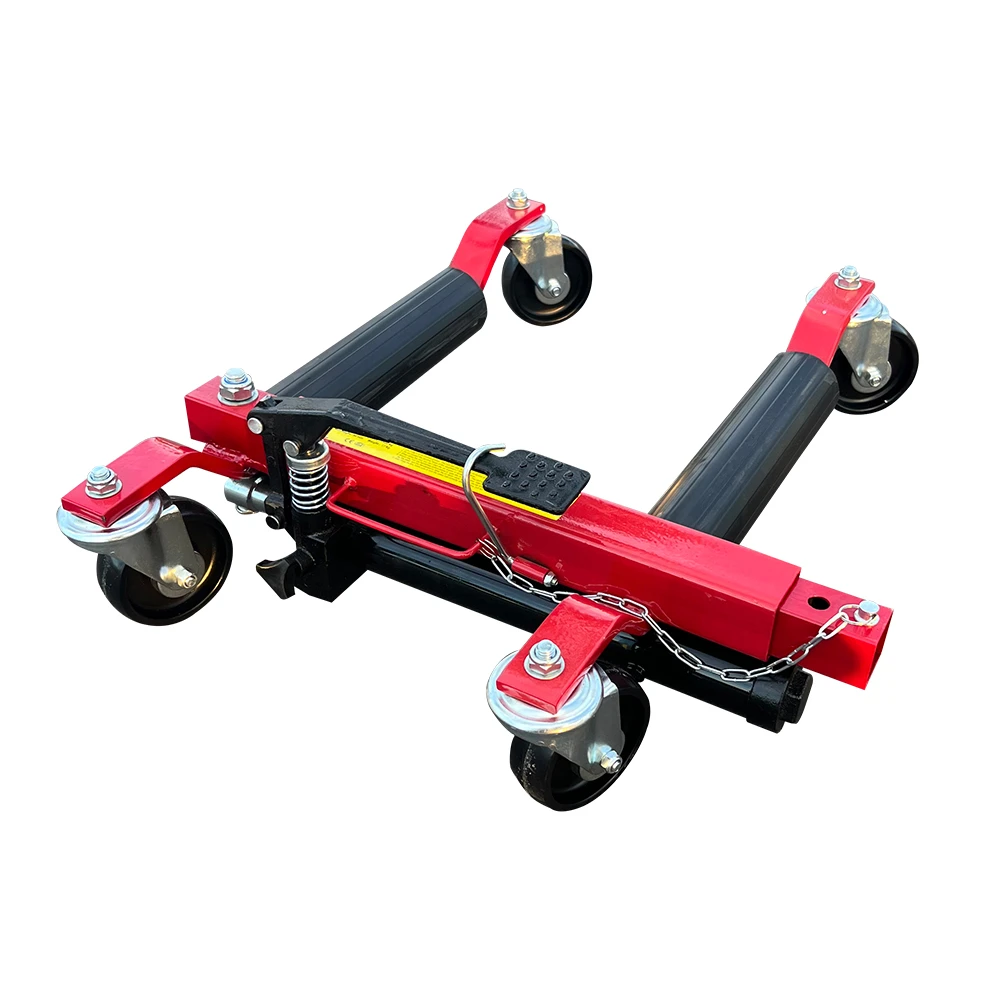
Car Jack Vehicle Mover Tow Dolly Universal Moving Tool Wheel Towing Trailer tools automatic car jack
-
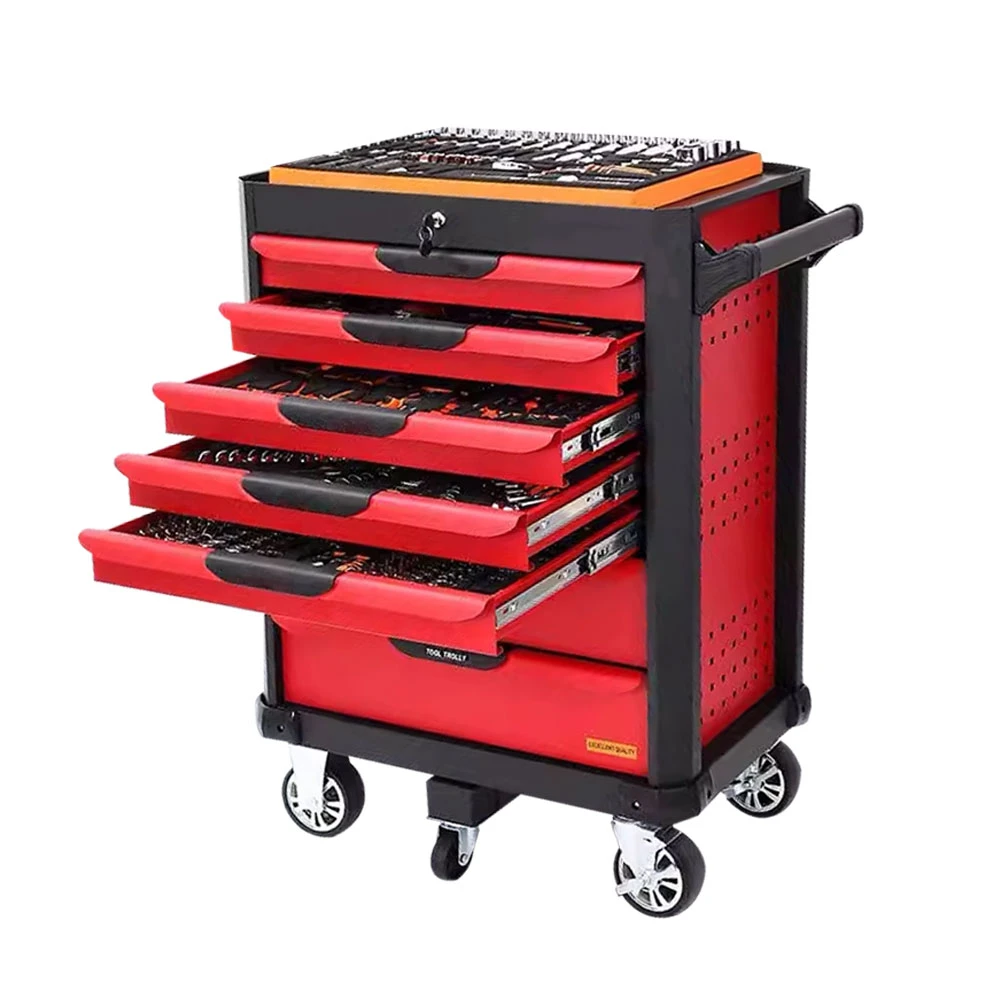
Professional All kind of Tools with Tool Cabinet, Workshop Trolley Cabinet
-
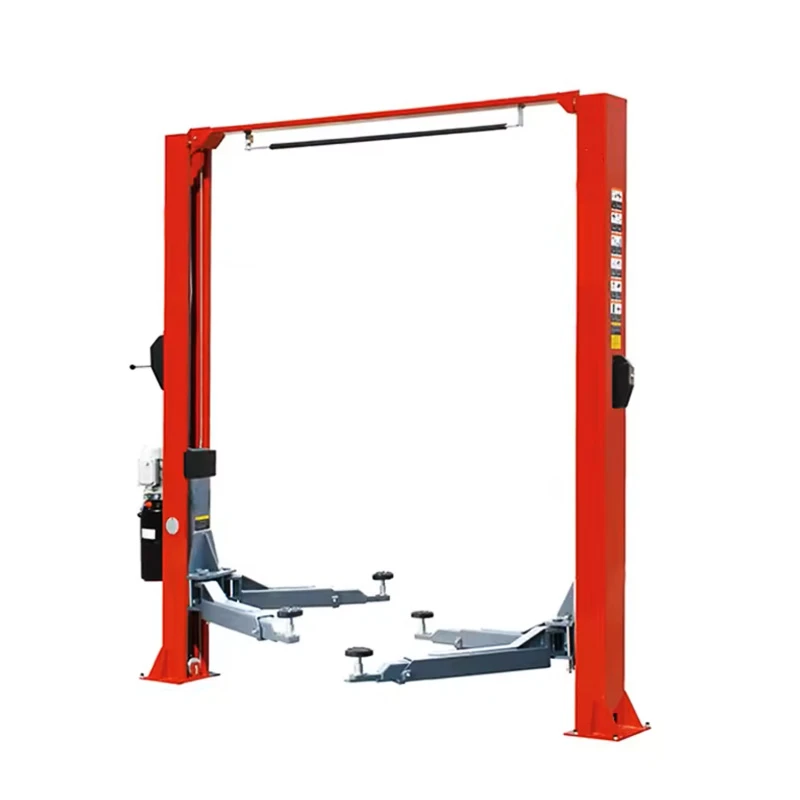
Electric Release Gantry Lifter 5t Two Post Hydraulic Used Truck Car Lifts For Sale
-
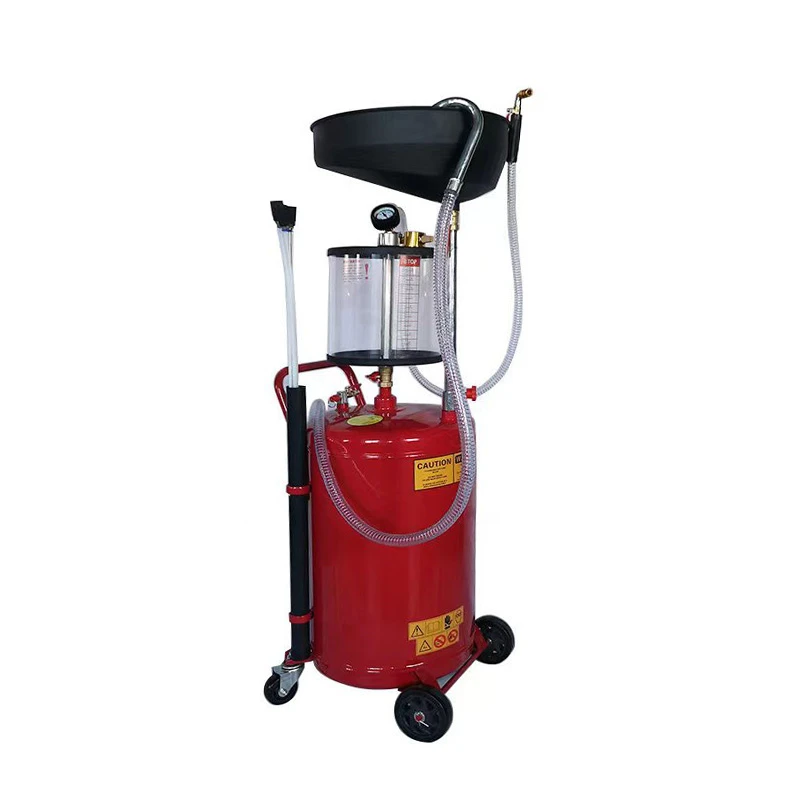
KJ-3197 Pneumatic Oil Extractor Waste Oil Changer Drainer with Lift Tank Auto Repair Tool
-
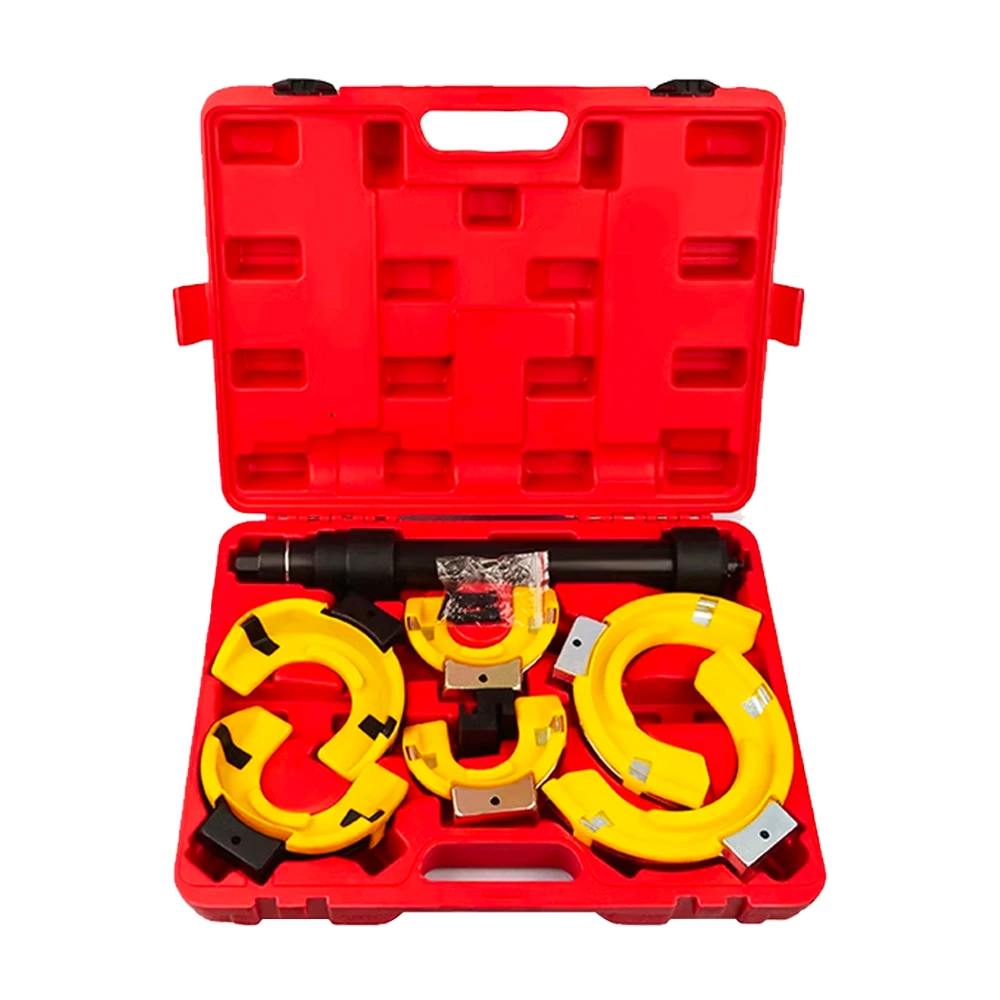
Powerful Spring Dumper Extractor Replaceable Shock Absorb Tools Strong Shock Absorber Spring Compressor Set
-
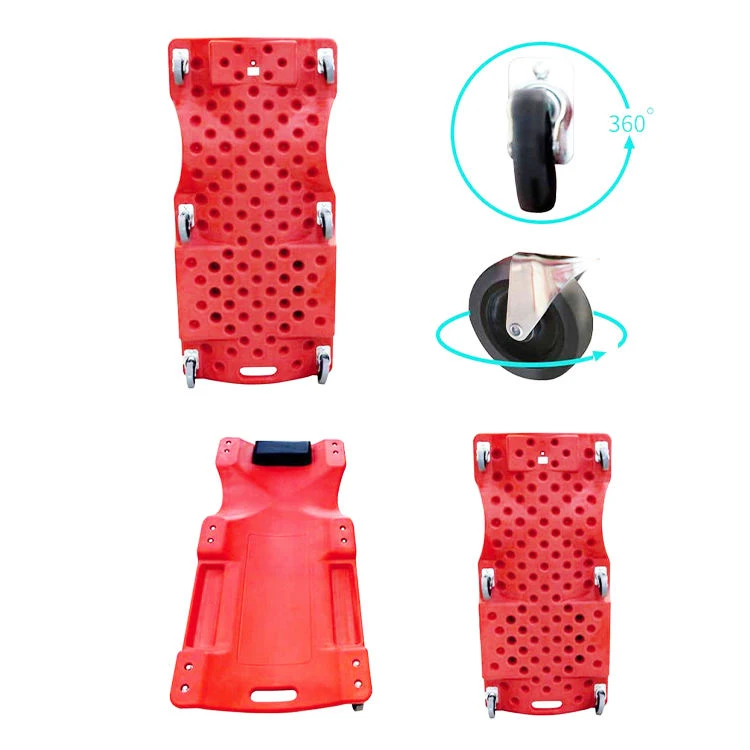
40 Inch 6 Wheel Plastic Workshop Garage Mechanics Tool Creeper Trolley Car Automotive Repair Mechanics Creeper
-
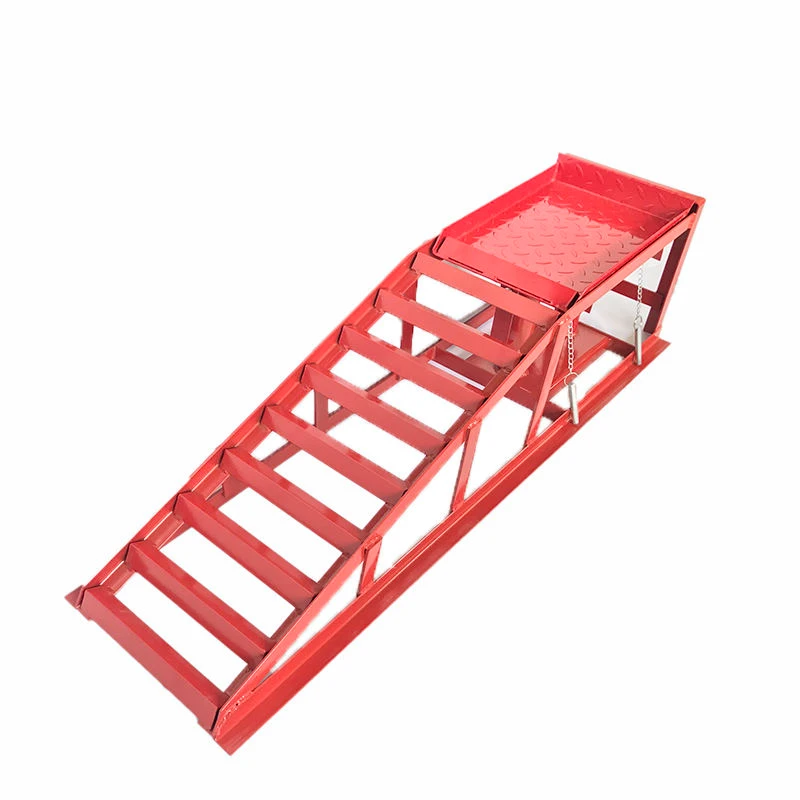
Plastic Car Ramp High Lift Auto Vehicle Car Ramp Portable Car Service Ramps
-
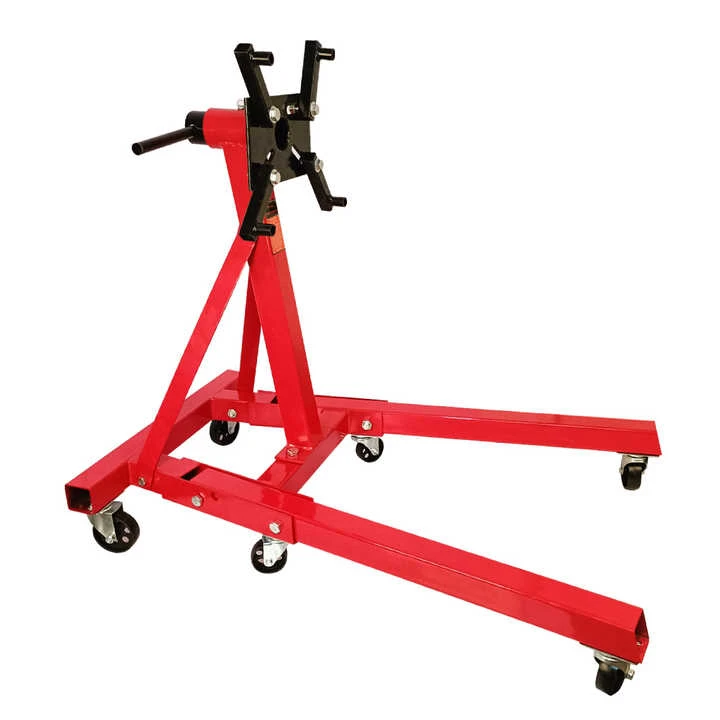
2000lb Car Engine Stand Gate Valve Machine Auto Tools Mechanical Transmission Jack With Stand Operation
-
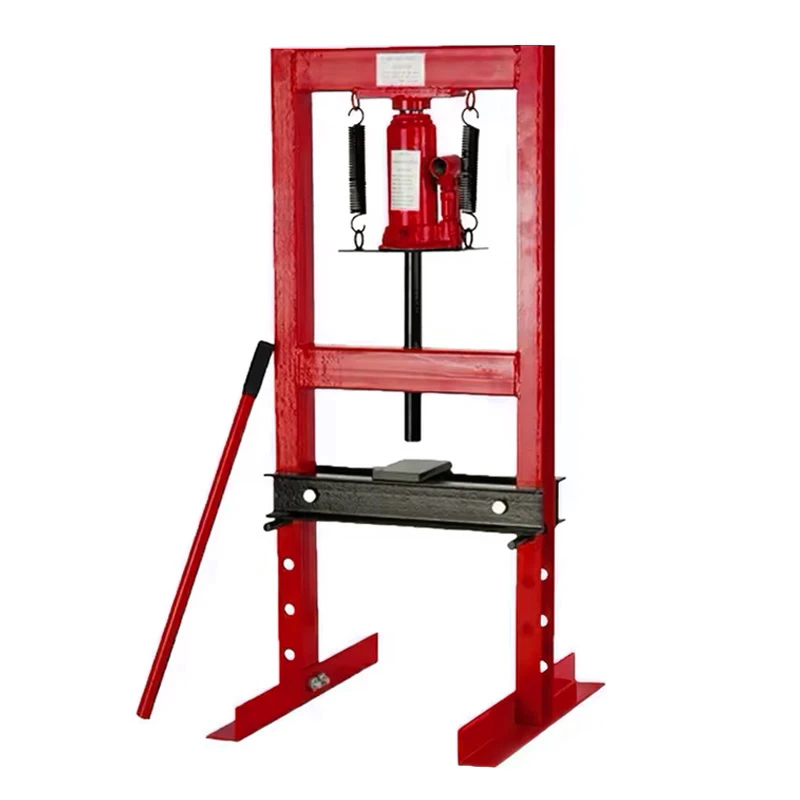
Manual Press Hand Type 6tons Hydraulic Shop Press H Frame Hydraulic Press
-
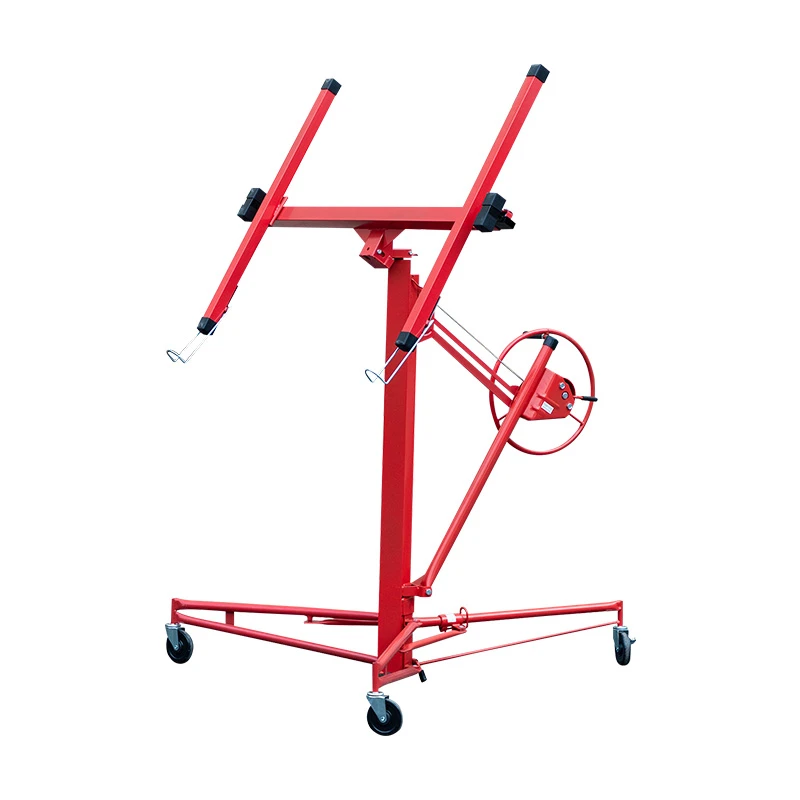
Easy-to-Use Manual Jack Lifter Construction Tools Drywall Hoist Lift Rolling Panel Drywall Rolling Lifter Panel
-
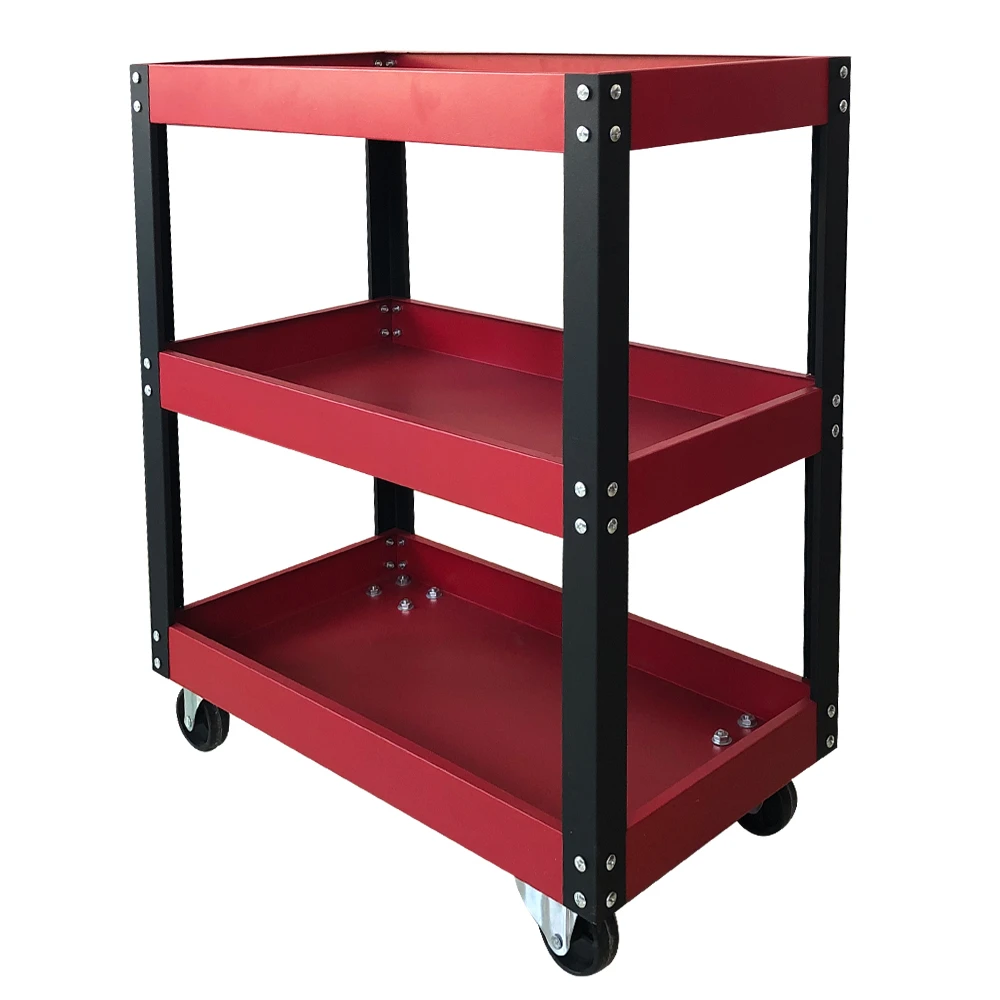
Auto Repair Tool Cart Roller Tools Box Set Mechanic Professional Cabinet for Workshop Garage Serving
-
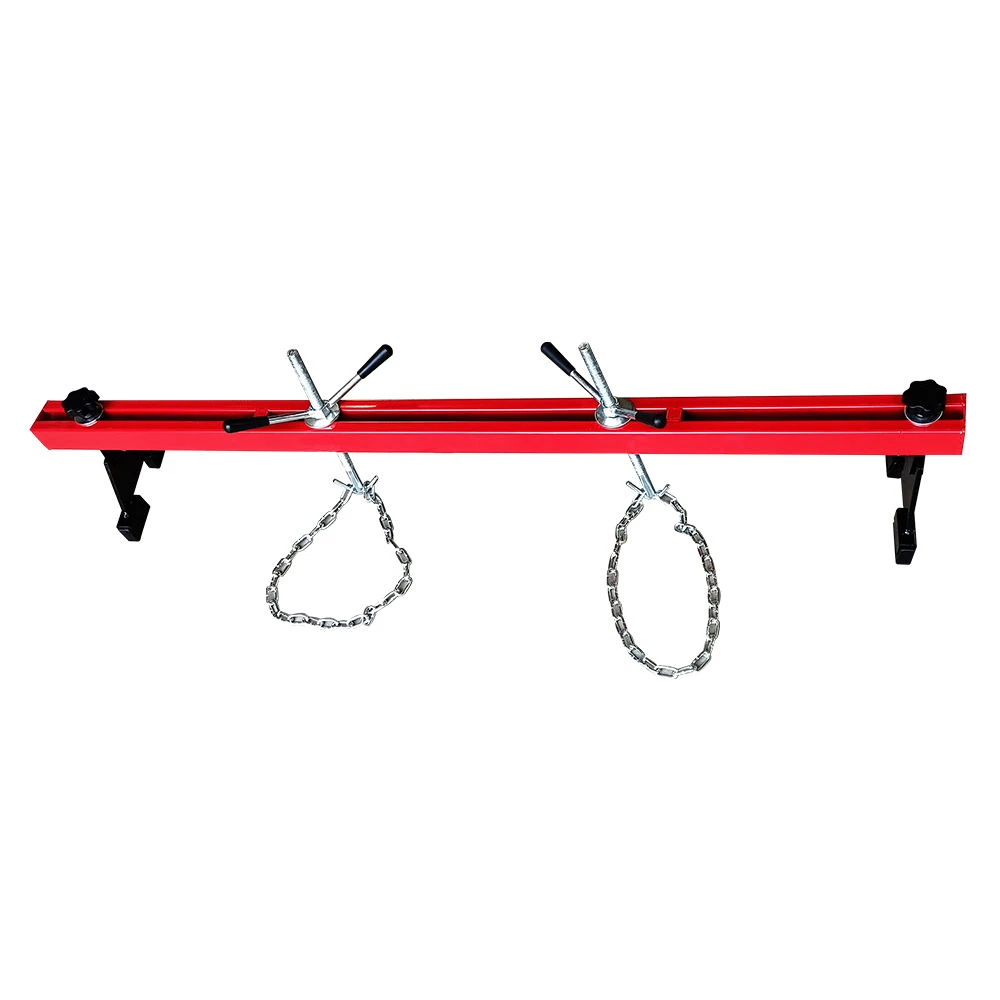
Oem Engine Support Bar 1100 Lbs Capacity Transverse Bar Engine Hoist 2 Point Lift Holder Hoist Dual Hooks Engine Bar
-
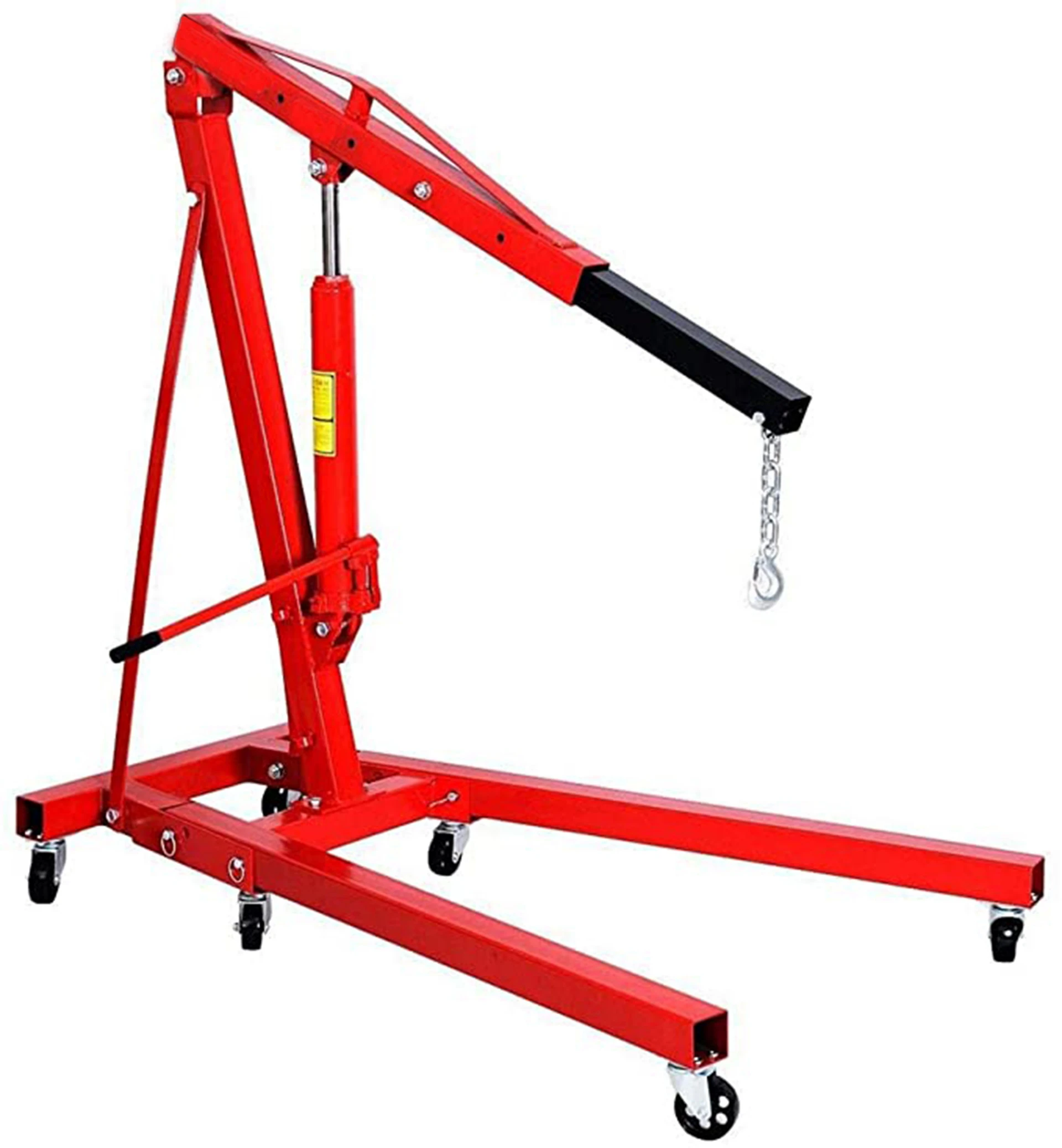
2 Ton Folding Shop Crane Lifting Machine Mini Truck Hydraulic Jack Engine Crane Folding Crane
-
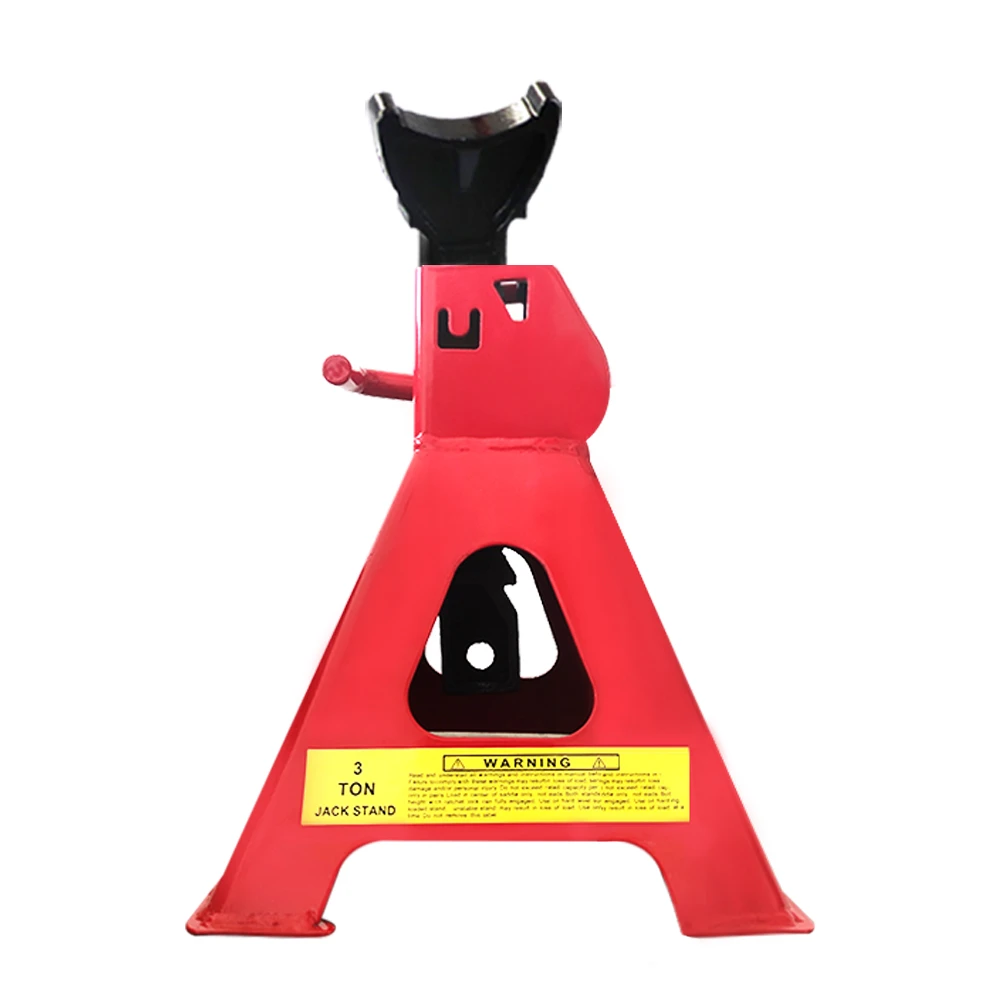
Heavy Duty Vehicle Support Car Jack Stand 3T 6T Adjustable Mobile Jack Stand
-
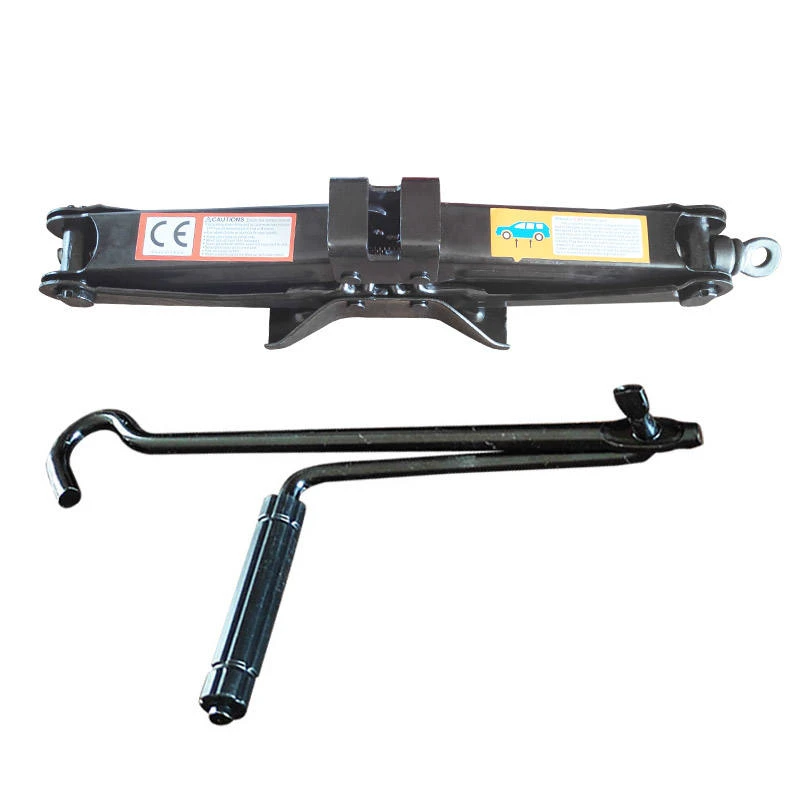
Car Lift Scissor Jack Steel Scissor Jacks Car Jack Portable
-
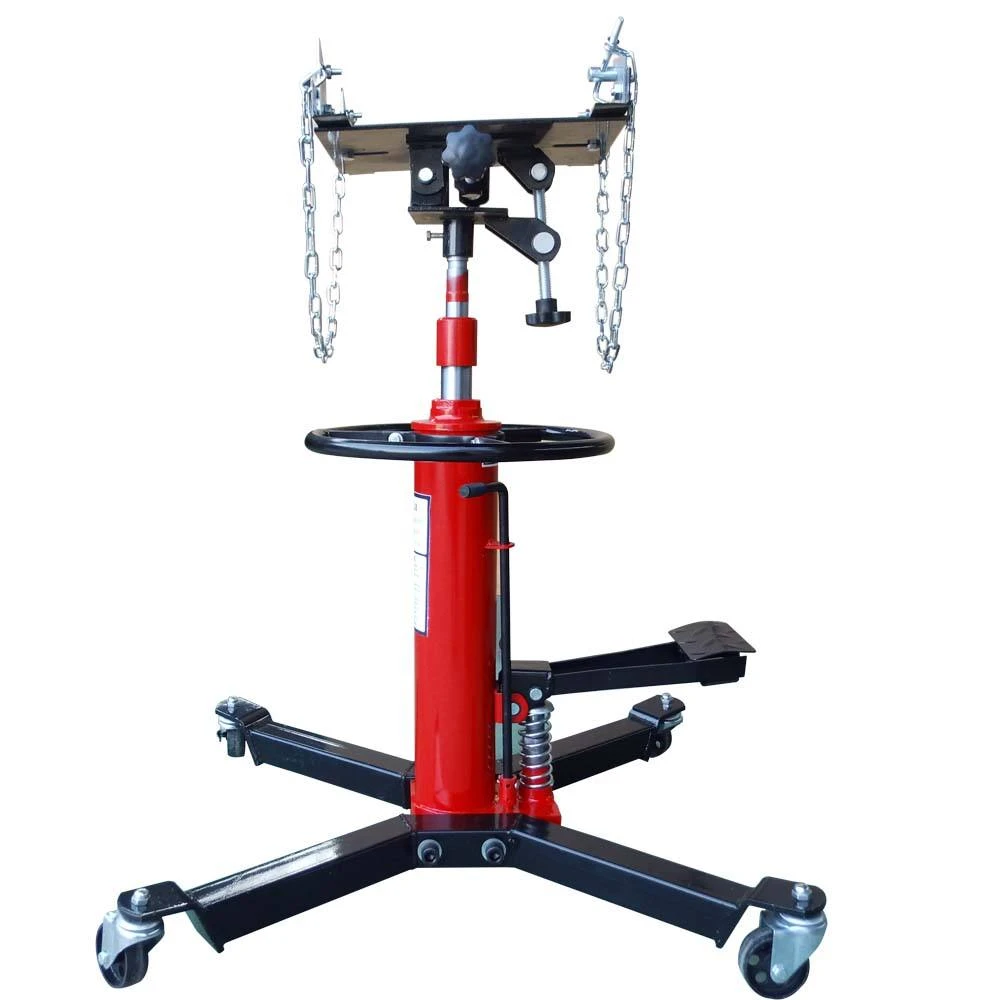
0.6T Professional Hydraulic Telescopic Transmission Jack Garage Equipment With CE For Car Engine Repair
Latest News
-
Best Car Jack 3 Ton Low Profile for Garage Lifting and Safety
NewsApr.16,2026 -
Comprehensive Guide to Choosing the Best Car Jack 1.5 Ton
NewsApr.09,2026 -
Choosing the Right Car Jack for Vehicle Maintenance and Repairs
NewsApr.07,2026 -
Choosing the Right Car Jack Lift 3 Ton for Vehicle Maintenance and Repair
NewsApr.04,2026 -
Choosing the Right Car Jack in Car for Roadside Safety and Peace of Mind
NewsMar.31,2026 -
Choosing the Right Car Jack Up for Vehicle Maintenance and Repair
NewsMar.28,2026 -
Choosing the Right Car Jack Tool for Vehicle Maintenance and Roadside Assistance
NewsMar.26,2026
 English
  Arabic
  Bengali
  China
China  French
  German
  Hausa
Hausa  Indonesian
  Italian
  Japanese
  Javanese
  Malay
Malay  Persian
  Portuguese
  Punjabi
  Russian
  Spanish
  Swahili
  Telugu
  Vietnamese