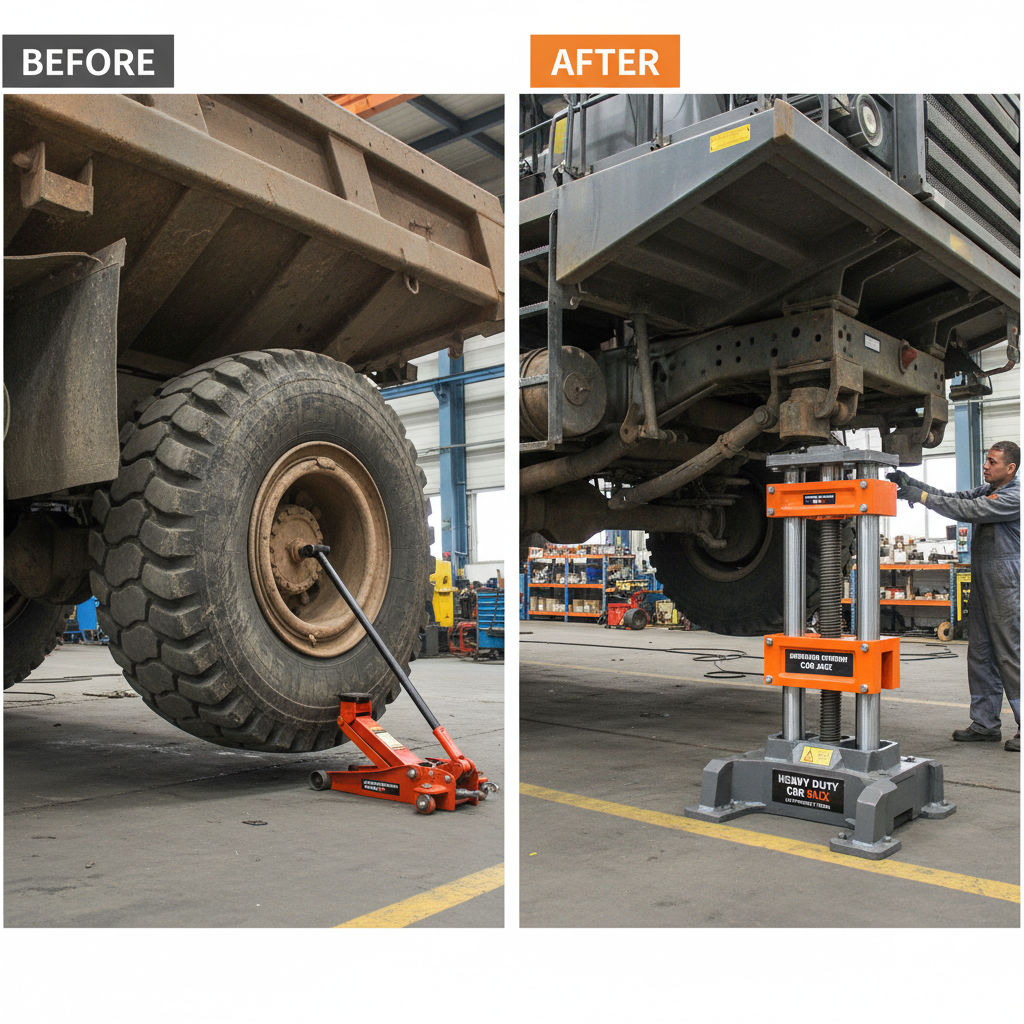
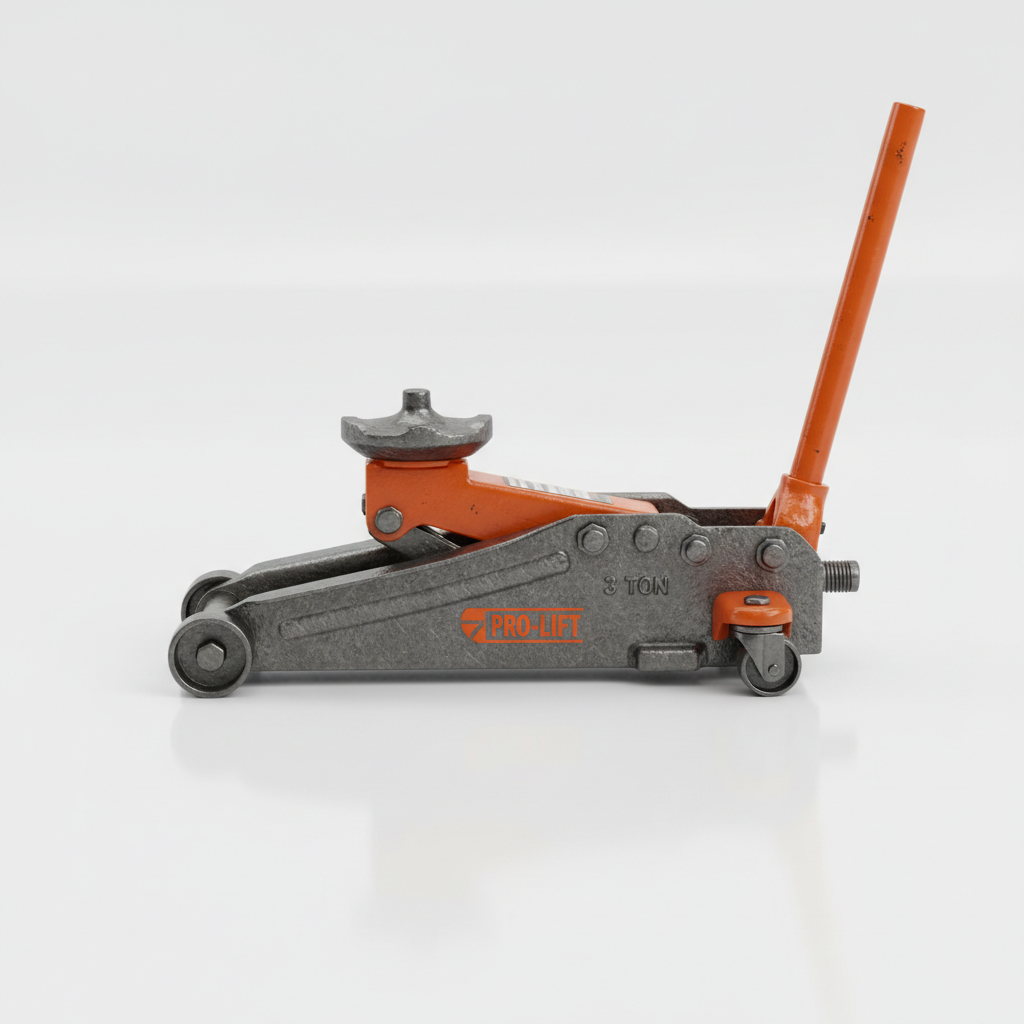
When searching for a 2 ton jack price, most buyers are looking for a balance between lifting capacity and affordability. A 2-ton jack is a versatile tool designed primarily for passenger cars and light SUVs, providing the necessary leverage to lift a vehicle for tire changes or basic undercarriage maintenance.
In the automotive maintenance industry, the cost of a jack is often tied to its build material, hydraulic efficiency, and safety certifications. Choosing a low-cost option without considering structural integrity can lead to operational risks, whereas investing in professional-grade equipment ensures long-term reliability in busy repair shops.
This guide analyzes the factors influencing 2 ton jack pricing, compares different types of lifting mechanisms, and provides a procurement framework to help you select the most cost-effective and safe tool for your specific automotive needs.

1Understanding 2 Ton Jack Pricing Dynamics

The market price for a 2-ton jack fluctuates based on the technology used—whether it is a simple mechanical scissor jack or a sophisticated hydraulic floor jack. Prices are typically driven by the grade of steel used in the chassis and the precision of the hydraulic valves. Professional-grade jacks often carry a premium due to their reinforced frames and leak-proof seals.
For home users, a budget-friendly 2-ton jack is often sufficient for emergency roadside use. However, for commercial environments, the "price" must be viewed as a total cost of ownership, including the frequency of seal replacements and the time saved during the lifting process.
Economic factors such as raw material costs (specifically steel) and shipping logistics also impact the final retail price. Sourcing from experienced manufacturers like Xianxian longge Auto Maintenance tools Co., Ltd. can often reduce costs through direct-from-factory procurement.
2Key Specifications Affecting Equipment Cost
Several technical attributes directly correlate with the price of a 2-ton jack. The lifting range—the distance between the minimum and maximum height—is a primary factor. Jacks with a "low profile" design are more expensive because they require specialized engineering to maintain strength while remaining slim enough to fit under low-clearance vehicles.
Material composition also plays a role. Heavy-duty cast iron or reinforced alloy steel increases the price but significantly enhances the safety margin. A jack that utilizes a double-pump system will generally cost more than a single-pump version, but it offers significantly faster lifting speeds.
Furthermore, certifications such as ASME or CE standards add to the cost. These certifications ensure that the jack has undergone rigorous stress testing, reducing the risk of catastrophic failure under load, which is a non-negotiable requirement for professional workshops.
3Application Scenarios for Light-Duty Jacks
A 2-ton jack is ideal for a wide range of light-duty automotive tasks. In a professional setting, these are often used for quick tire rotations or brake inspections where a full-size gantry lift is not required. Their portability allows technicians to move them quickly across the shop floor to various workstations.
For the enthusiast or DIY mechanic, these tools are essential for oil changes and suspension work. The ability to lift one corner of a vehicle safely allows for a variety of maintenance tasks without the need for expensive permanent installations.
In specialized scenarios, such as automotive detailing or light bodywork, the low-profile 2-ton jack is preferred because it does not interfere with the vehicle's aerodynamics or ground-effect kits, making it a specialized tool for high-end car care centers.
4Performance Analysis and Value Metrics
Evaluating the value of a jack goes beyond the initial purchase price. We must look at the "lift-per-dollar" ratio and the efficiency of the hydraulic system. A high-quality jack reduces the number of pumps required to reach the desired height, directly increasing labor productivity in a commercial shop.
Stability is another critical metric. A wider base provides better lateral support, which is essential when lifting vehicles with uneven weight distributions. When comparing a generic 2-ton jack to a professional model, the difference in stability is often where the price gap is justified.
2 ton jack price Performance Metrics
As shown in the metrics, while the industry average provides basic functionality, professional-grade jacks offer superior stability and safety ratings. This performance gap ensures that the technician spends less time adjusting the jack and more time performing the actual repair work.
5Procurement Guide for Shop Owners
When procuring jacks for a fleet or a repair shop, the focus should be on standardization. Buying the same model of 2-ton jack across the facility simplifies maintenance and ensures that all technicians are trained on the same safety protocols and operating procedures.
Evaluate the supplier's reputation for quality control. Companies like Xianxian longge Auto Maintenance tools Co., Ltd. emphasize a market-oriented approach, integrating R&D with production to ensure that the tools meet the actual demands of modern automotive repair environments.
Finally, consider the warranty terms. A low initial price can be offset by the cost of replacing a failed jack within six months. A comprehensive warranty on the hydraulic pump is a strong indicator of the manufacturer's confidence in their product's durability.
6Maintenance and Lifespan Considerations
To maximize the return on your investment in a 2-ton jack, a strict maintenance schedule is necessary. The most common point of failure is hydraulic oil contamination or leakage. Regularly checking oil levels and bleeding air from the system prevents the "spongy" feel and ensures a consistent lift.
Lubrication of moving parts, such as the handle pivot and the lifting arm, reduces friction and wear. Neglecting these simple tasks can lead to premature mechanical failure, effectively increasing the cost per use of the equipment.
Storage also affects lifespan. Keeping jacks in a dry, covered environment prevents the oxidation of the steel frame and keeps the hydraulic seals from drying out and cracking, which is especially important in humid or coastal regions.
7Comparison of Jack Types and Value
Different types of 2-ton jacks serve different purposes and come with different price points. While a scissor jack is the cheapest and most portable, it is slow and lacks the stability required for frequent use. Hydraulic floor jacks are the industry standard for efficiency and safety.
The following table compares the primary options available in the 2-ton capacity range to help buyers align their budget with their actual operational needs.
| Jack Type | Primary Use | Lifting Speed | Relative Cost |
|---|---|---|---|
| Scissor Jack | Emergency / Spare | Slow | Low |
| Hydraulic Bottle Jack | Heavy Static Lift | Medium | Medium |
| Standard Floor Jack | General Maintenance | Fast | Medium-High |
| Low-Profile Jack | Sports Cars / Low Clearance | Fast | High |
| Quick-Lift Jack | High-Volume Shops | Very Fast | High |
| Aluminum Alloy Jack | Portability / High End | Fast | Very High |
Ultimately, the "best" 2 ton jack price is the one that provides the necessary safety and performance for your specific vehicle fleet without overpaying for features you will never use. For professional solutions, visiting www.lgautorepairtool.com can provide further technical insights.
Frequently Asked Questions
Conclusion
Selecting the right 2-ton jack involves more than just finding the lowest price. It requires a careful evaluation of the intended application, the required lifting height, and a non-negotiable commitment to safety. By focusing on build quality, hydraulic efficiency, and manufacturer reputation, buyers can secure a tool that provides reliable service for years.
Whether you are equipping a professional garage or a home workshop, the goal is to optimize the balance between cost and performance. For those seeking durable, industry-standard automotive maintenance tools, the available product information at www.lgautorepairtool.com serves as a professional resource for making an informed procurement decision.