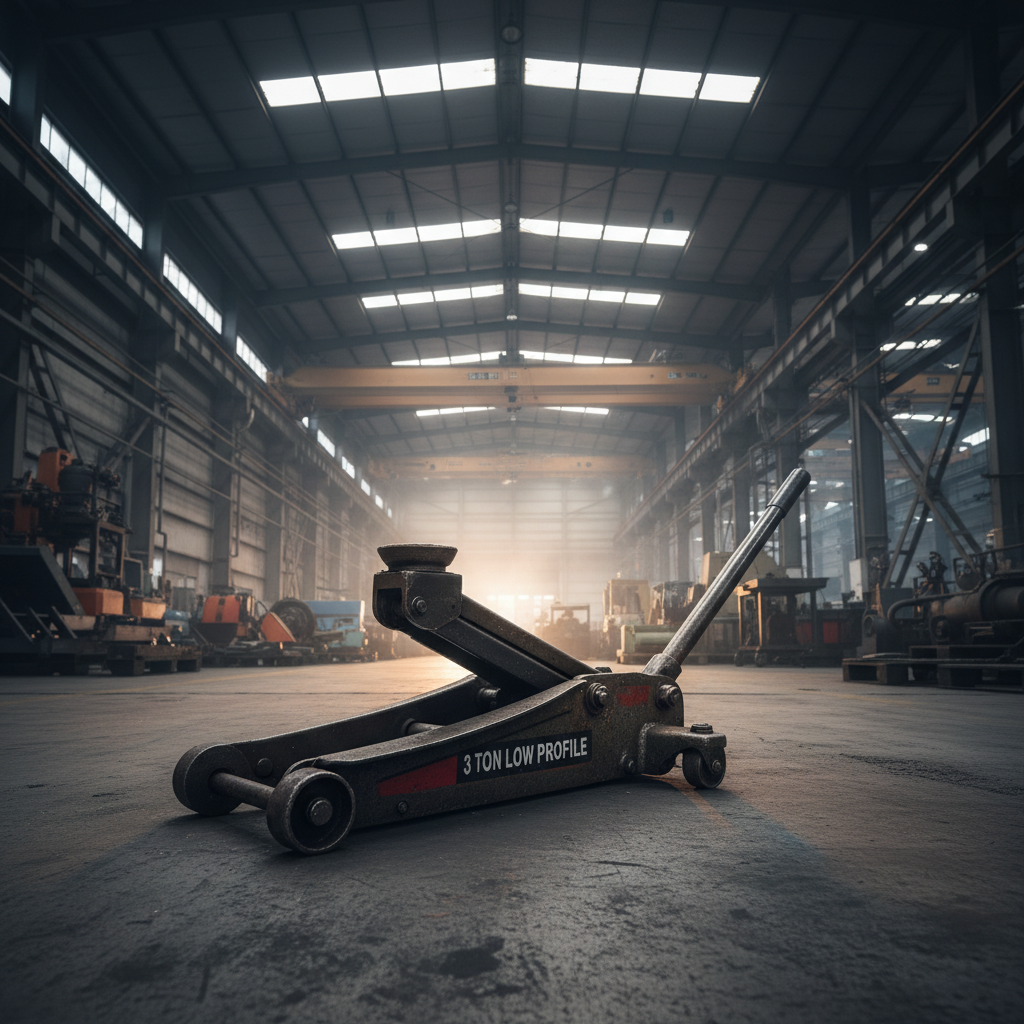
In the professional realm of automotive maintenance, ensuring the safety and stability of a vehicle during lifting is paramount, making the use of a certified 2 ton jack a non-negotiable requirement for workshops and home garages alike. Within the automotive components manufacturing industry, certification serves as the primary validator that a lifting tool can consistently handle its rated load without structural failure, protecting both the technician and the vehicle.
The primary challenge for procurement managers and technicians is distinguishing between generic lifting tools and those that meet rigorous safety certifications. Using an uncertified jack can lead to catastrophic collapses, costly vehicle damage, and severe workplace injuries, particularly when dealing with the precise tolerances required in modern chassis and frame repair.
This guide provides a comprehensive analysis of the technical standards, selection criteria, and safety protocols associated with certified lifting equipment. By examining the relationship between load capacity, certification marks, and operational limits, readers will gain the necessary framework to select and maintain lifting tools that ensure operational continuity and safety.

Understanding Certification Standards for Lifting Jacks

Certification for a 2 ton jack is not merely a label but a verification of structural integrity and hydraulic reliability. In the automotive parts manufacturing sector, certifications such as CE, ISO, or EAC indicate that the product has undergone rigorous stress testing, including proof-load testing where the jack is subjected to loads exceeding its rated capacity to ensure a safety margin exists before permanent deformation occurs.
A certified tool ensures that the materials used—typically high-grade alloy steel—can withstand the cyclical stress of lifting and lowering without fatigue. For professional environments, these certifications provide a legal and safety baseline, ensuring that the equipment meets international standards for mechanical safety and operational stability.
Critical Specifications for 2 Ton Capacity Tools
When evaluating a certified 2 ton jack, the rated capacity is only one part of the technical profile. Users must consider the minimum height (start height) and maximum lift height to ensure the tool is compatible with the vehicle's ground clearance. A jack that cannot reach the pinch weld or frame rail is useless, regardless of its certification status.
Beyond dimensions, the hydraulic seal quality and the material of the lifting arm are critical. High-quality certified jacks utilize reinforced seals to prevent pressure drops during a lift. Additionally, the presence of a safety bypass valve is essential; this prevents the jack from over-extending, which could lead to an uncontrolled descent of the load.
Operational Applications in Auto Body Repair
Certified lifting tools are essential in various auto body repair scenarios, from simple tire changes to complex frame alignment. In sheet metal separation and body pulling, the ability to apply precise, controlled pressure is vital. For example, specialized separation jacks are used to push apart deformed panels or align frames where a standard floor jack would be too bulky or imprecise.
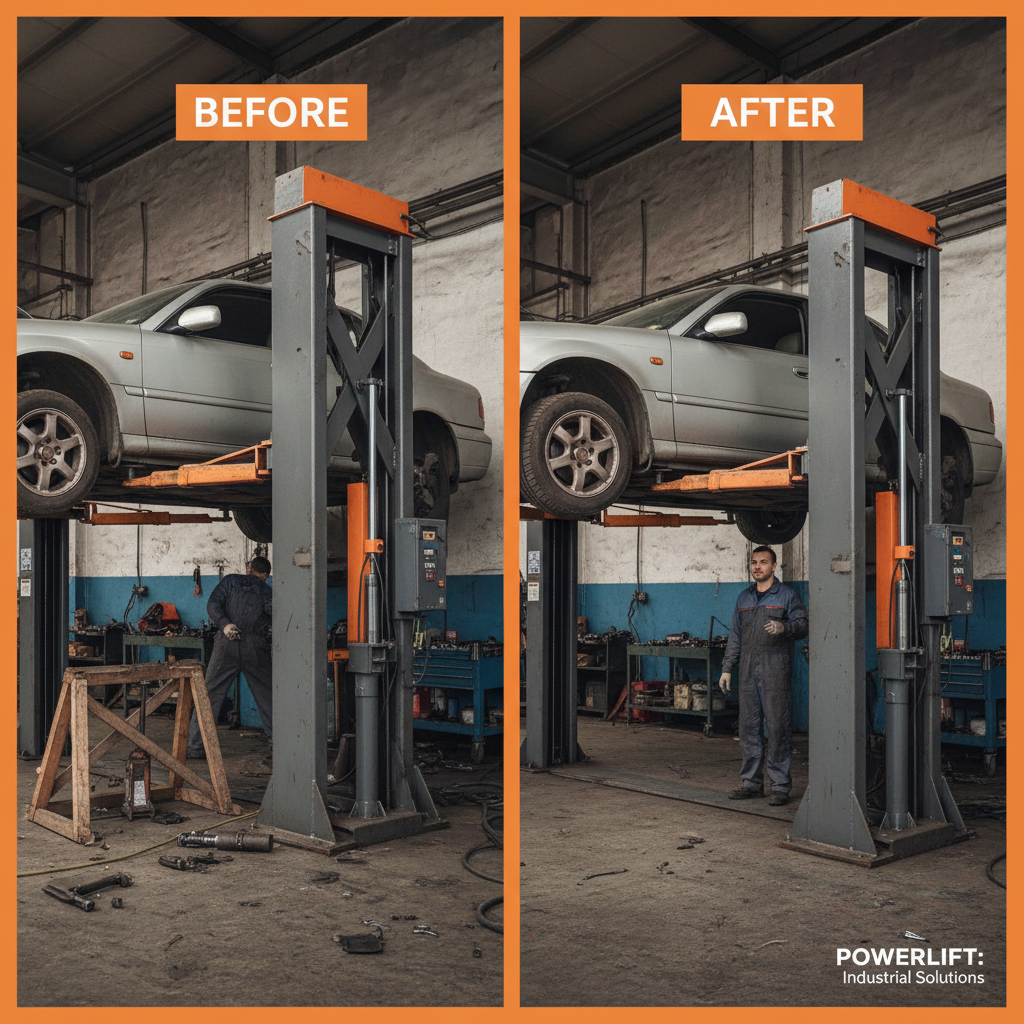
In professional settings, these tools are often used in conjunction with jack stands. A common industry standard is to use the certified jack only for the lifting phase, immediately transferring the load to certified jack stands for the duration of the repair. This redundancy minimizes the risk of hydraulic failure during critical under-vehicle work.
Performance Evaluation and Load Stability Index
Evaluating the performance of a lifting tool involves analyzing its stability across different height increments. As a jack reaches its maximum extension, the center of gravity shifts, potentially increasing the risk of tipping. The following conceptual index illustrates the relative stability of different jack types relative to their extension levels.
This illustrative framework shows that while hydraulic jacks offer high lift capacity, their stability index typically decreases as they approach maximum height. In contrast, mechanical or screw-based jacks maintain a more consistent stability profile, which is why they are often preferred for long-term support or high-precision adjustments in sheet metal work.
Procurement Criteria for Professional Workshops
Procuring lifting equipment for a commercial workshop requires a more rigorous approach than residential buying. Decision-makers should prioritize suppliers who provide full certification documentation and clear maintenance schedules. The total cost of ownership includes not just the purchase price, but the longevity of the hydraulic seals and the ease of replacing wear parts.
Key procurement factors include the load-to-weight ratio of the tool, the quality of the casting, and the manufacturer's track record in the automotive tool industry. Choosing a manufacturer with a dedicated R&D team ensures that the tools are designed based on real-world workshop feedback, resulting in better ergonomics and reduced operator fatigue.
Safety Risks and Common Operational Errors
The most dangerous error when using a certified 2 ton jack is exceeding the rated capacity or using the tool on an uneven surface. A jack is only as stable as the ground beneath it; soft or inclined surfaces can cause the jack to shift laterally, leading to a sudden collapse of the vehicle.
Another critical risk is the neglect of the limit mark line. Operating a jack beyond its intended stroke or using extensions (pipes) on the handle to increase leverage can damage the internal hydraulic valves or bend the lifting arm. Regular inspection for oil leaks and checking the flexibility of the piston are essential preventative measures to avoid mid-lift failure.
Comparative Analysis of Jacking Technologies
Depending on the specific needs of the automotive repair task, different jack technologies offer distinct advantages. While a standard hydraulic jack is ideal for rapid lifting, specialized separation jacks are required for body alignment. The following table compares these approaches based on professional application requirements.
| Tool Type | Primary Strength | Best Use Case | Main Limitation |
|---|---|---|---|
| Hydraulic Floor Jack | Rapid Lift Speed | General Maintenance | Stability at Max Height |
| Bottle Jack | High Vertical Lift | Heavy Duty Support | Narrow Base Footprint |
| Separation Jack | Precision Pushing | Body Panel Alignment | Limited Total Lift Height |
| Scissor Jack | Compact Storage | Emergency Roadside | Slower Operation Speed |
| Pneumatic Jack | Minimal Effort | High-Volume Shops | Requires Air Compressor |
| Mechanical Jack | High Stability | Long-term Positioning | Manual Effort Required |
Selecting the right tool depends on the balance between the required lift height, the precision of the movement, and the environment of the operation. For most comprehensive automotive repair setups, a combination of rapid hydraulic jacks for lifting and precision separation tools for bodywork is the most effective strategy.
Frequently Asked Questions
Certification means the jack has been tested against recognized industry standards (such as ISO or CE) to ensure it can safely lift its rated 2-ton capacity without structural failure or uncontrolled descent.
While technically possible, it is professional best practice to use a jack with a capacity higher than the actual load to provide a safety margin and reduce stress on the hydraulic system.
Jacks should be visually inspected before every use for leaks or cracks, and a full technical maintenance check (including oil replacement) should be performed every 6 to 12 months depending on usage frequency.
Uneven ground shifts the center of gravity, which can cause the jack to tilt and slip. Because the load is concentrated on a small point, even a slight tilt can lead to a total collapse of the vehicle.
No. Hydraulic jacks are for lifting only. Once the vehicle is at the desired height, it must be supported by certified jack stands before any person moves underneath the vehicle.
This indicates a hydraulic leak or a failing seal. Stop using the jack immediately, lower the vehicle safely, and have the tool repaired or replaced by a professional.
Conclusion
Investing in a certified 2 ton jack is a fundamental safety decision for any automotive professional or enthusiast. By adhering to certification standards, understanding technical limitations, and implementing a strict "lift and support" protocol, users can eliminate the most common risks associated with vehicle lifting. The combination of high-grade materials and rigorous testing ensures that these tools remain reliable under pressure, providing the necessary stability for everything from routine oil changes to complex body repairs.
For those seeking professional-grade automotive maintenance tools, including specialized lifting and body repair solutions, you can explore the technical specifications and product range at www.lgautorepairtool.com to find the equipment that matches your specific operational requirements.