Professional Tool Cabinets and Cheap Floor Jack Guide
Managing a high-volume automotive workshop requires more than just technical skill; it requires a systematic approach to tool organization. The chaos of misplaced wrenches and cluttered workbenches often leads to decreased productivity and increased safety risks. Professional auto repair tool cabinets are designed to eliminate these inefficiencies by providing a centralized, secure, and classified storage system tailored for the rigors of 4S dealerships and independent repair shops.
By integrating smart management features such as anti-slip gaskets and precision slide rails, these cabinets ensure that every tool is exactly where it should be. For procurement managers looking for a balance between cost-efficiency and industrial durability, understanding the structural specifications of storage solutions is key to maintaining a streamlined workflow. This guide explores the technical value of professional tool management and how organized environments directly correlate to faster vehicle turnaround times.

Optimizing Workshop Efficiency Through Strategic Tool Classification
In the automotive service industry, time is the most critical commodity. A technician spending ten minutes searching for a specific socket is a direct loss of billable hours. Professional tool cabinets solve this by implementing a classified management system. These units are not merely boxes but engineered workstations that allow for the segregation of tools based on frequency of use and function.
The architectural design of a high-quality cabinet focuses on accessibility. By utilizing multiple drawer sizes—ranging from shallow trays for small fasteners to deep bins for power tools—shops can create a logical flow of movement. This reduction in "search time" significantly boosts the overall repair efficiency of the garage, allowing technicians to focus on the vehicle rather than the inventory.
- Centralized Access: Reduces movement across the shop floor.
- Tool Protection: Prevents damage to precision instruments through dedicated slots.
- Inventory Control: Simplifies the process of identifying missing tools at the end of a shift.

Engineering Durability: Materials and Mechanical Specifications
The longevity of a tool cabinet depends on its material composition and the quality of its moving parts. Industrial-grade cabinets are typically constructed from cold-rolled sheet steel. With a plate thickness of 0.8mm, the structure provides the necessary rigidity to support heavy loads without warping over time, ensuring the cabinet remains stable even when fully loaded with heavy-duty equipment.
Beyond the shell, the mechanical interface—specifically the drawer slides—determines the user experience. Precision slide rail designs ensure smooth pushing and pulling actions, even under significant weight. This prevents the "sticking" common in lower-end units, which can lead to frustration and potential accidents in a fast-paced environment. Furthermore, the addition of anti-slip gaskets prevents tools from shifting during movement, maintaining organization during transport across the workshop.
The internal lining is another critical engineering detail. A high-quality lining protects the metal surface of the cabinet from scratches and provides a dampened surface that reduces noise and prevents tools from sliding. This combination of cold-rolled steel and ergonomic hardware ensures the unit can withstand the daily impact of a professional automotive environment.
Operational Application in 4S Dealerships and Professional Garages
For 4S dealerships, where brand image and operational precision are paramount, the tool cabinet serves as a visual representation of professionalism. A clean, organized bay communicates reliability to the customer and discipline to the staff. These cabinets are strategically deployed in various zones: from general maintenance bays to specialized engine diagnostics areas.
In independent repair shops, the priority shifts toward versatility and space optimization. The compact footprint of a 710465990mm cabinet allows it to fit into tight spaces while providing maximum vertical storage. Technicians can mobilize their entire toolkit to the vehicle, reducing the need to walk back and forth to a stationary bench.
When considering equipment like a cheap floor jack or other lifting tools, the cabinet acts as the supporting infrastructure. While the jack does the lifting, the cabinet provides the tools for the actual repair. Integrating these elements into a cohesive workflow ensures that the technician has everything required—from the lift to the final torque wrench—within arm's reach, maximizing the throughput of the service station.
Technical Specifications and Storage Dimensions
| Parameter | Standard Specification | Material/Detail | Operational Benefit |
|---|---|---|---|
| Overall Dimensions | 710465990mm | Cold Rolled Sheet | Space-efficient footprint |
| Plate Thickness | 0.8mm | First Level Steel | High structural rigidity |
| Drawer Configuration | Various (65mm to 140mm) | Slide Rail Design | Classified tool storage |
| Net Weight | 60kg | Industrial Grade | Stability and durability |
| Internal Features | Anti-slip gaskets | Inner lining design | Tool stability and protection |
Procurement Considerations for Workshop Equipment
When sourcing automotive maintenance tools, procurement managers must look beyond the initial price point and evaluate the Total Cost of Ownership (TCO). A low-cost cabinet that requires replacement every two years due to failed slides or rusted panels is more expensive than a professional-grade unit that lasts a decade. Key evaluation criteria should include the grade of the steel, the load capacity of the drawers, and the quality of the powder coating for corrosion resistance.
Supplier reliability is equally important. Partnering with a manufacturer that holds ISO, CE, and EAC certifications ensures that the products meet international safety and quality standards. This is particularly critical for tools used in heavy-duty environments where equipment failure can lead to workplace injuries. A supplier with an established R&D team can provide tailored solutions, such as customized drawer configurations to fit specific tool sets.
Furthermore, the packaging and delivery network play a role in the initial setup. Professional export packaging, such as wooden boxes or reinforced cartons, prevents shipping damage, ensuring the precision slide rails arrive in perfect working order. When building out a new facility, consolidating the purchase of tool cabinets, lifts, and diagnostic equipment from a single experienced manufacturer can streamline logistics and ensure compatibility across the workshop.
Future Trends in Automotive Tool Management
The shift toward electric vehicles (EVs) is changing the nature of automotive tools. EV technicians require more specialized electronic diagnostic tools and insulated hand tools, which necessitate different storage requirements. We are seeing a trend toward "modular" tool storage where cabinets can be expanded or reconfigured as a shop's capabilities evolve from traditional internal combustion engines to hybrid and electric systems.
Digital integration is another emerging frontier. Smart cabinets with RFID tracking are beginning to enter the market, allowing managers to track tool usage in real-time and automatically alert staff when a tool is not returned. While the physical foundation remains cold-rolled steel and precision rails, the management layer is becoming increasingly data-driven.
Ultimately, the goal remains the same: the elimination of waste. Whether through physical organization or digital tracking, the objective is to maximize the time the technician spends performing value-added work on the vehicle. Investing in high-quality storage infrastructure today prepares a workshop for the technical complexities of tomorrow's automotive landscape.
Frequently Asked Questions About Auto Repair Tool Cabinets
What is the primary advantage of using a professional tool cabinet over a standard workbench?
Professional cabinets offer classified management and mobility. They allow technicians to organize tools by size and function in secure drawers, reducing search time and protecting tools from dust and damage, which is not possible on an open workbench.
How does plate thickness affect the durability of the cabinet?
Plate thickness, such as the 0.8mm cold-rolled steel used in our cabinets, determines the unit's resistance to bending and warping under heavy loads. Thicker, high-grade steel ensures the frame remains square, which is essential for the smooth operation of the drawer slides.
Are these cabinets suitable for heavy-duty industrial use?
Yes, they are specifically designed for automotive repair shops and 4S dealerships. The use of first-level cold-rolled sheets and precision slide rails makes them durable enough for daily professional use in high-pressure environments.
What prevents tools from sliding around inside the drawers during movement?
The cabinets are equipped with anti-slip gaskets and a specialized inner lining design. These features create friction and cushioning, keeping tools in place even when the cabinet is being moved across a garage floor.
Can these cabinets be customized for specific tool sets?
Many professional manufacturers offer various drawer sizes (such as 65mm for small tools and 140mm for larger equipment) to allow for tailored organization based on the specific needs of the workshop.
What certifications should I look for when importing tool cabinets from China?
Look for ISO, CE, and EAC certifications. These indicate that the manufacturer adheres to international quality management and safety standards, ensuring the product is safe for professional use and export-ready.
Industry Technical References
- ISO Quality Management Standards for Manufacturing
- EU CE Marking Requirements for Industrial Equipment
- Automotive Service Excellence (ASE) Workshop Standards
- OSHA Guidelines for Tool Storage and Workplace Safety
Investing in professional-grade tool organization is a fundamental step toward operational excellence in any automotive business. By combining durable materials with smart design, you can significantly reduce downtime and increase the profitability of your service center.
Related Equipment Solutions
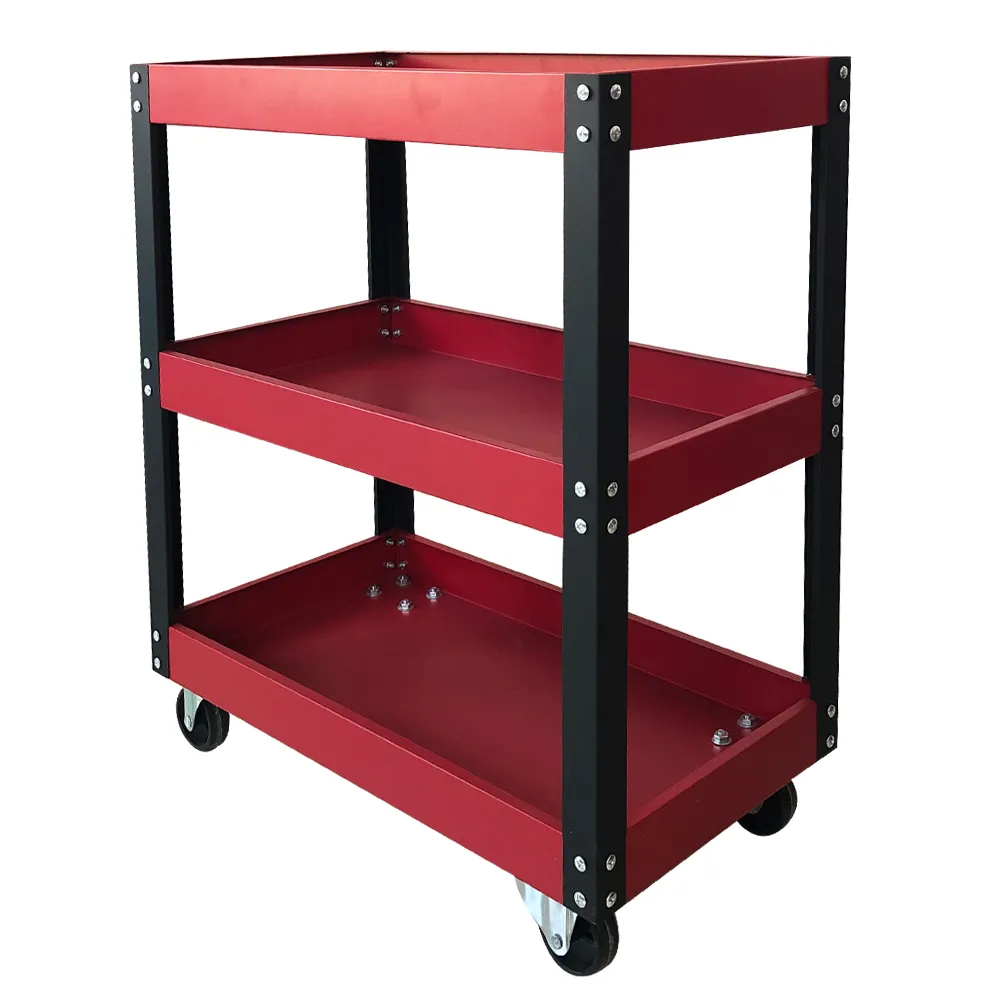
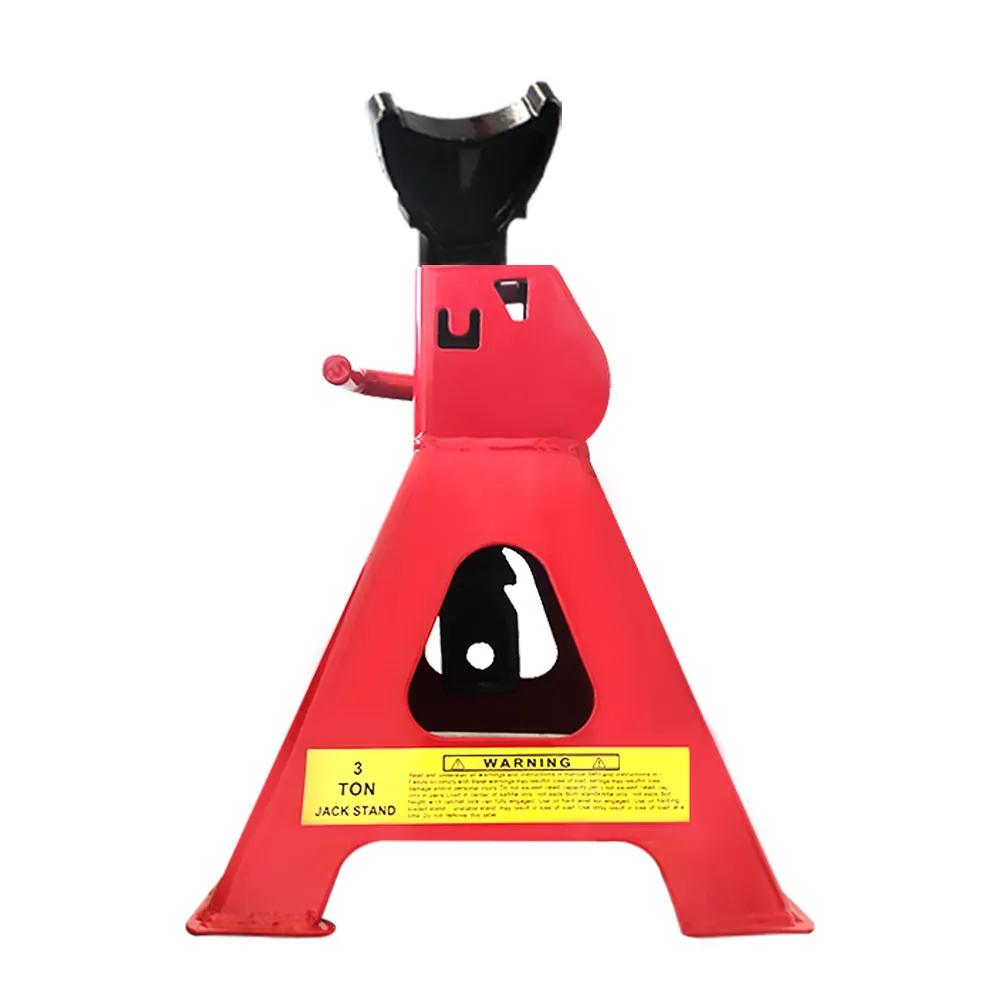
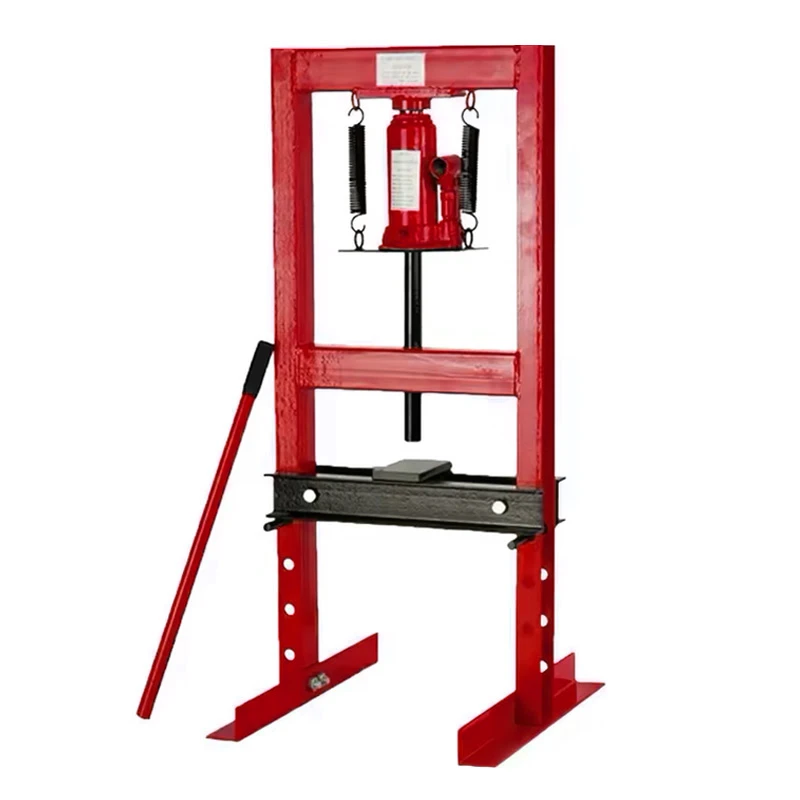

 English
 Arabic
 Bengali
 China
 French
 German
 Hausa
 Indonesian
 Italian
 Japanese
 Javanese
 Malay
 Persian
 Portuguese
 Punjabi
 Russian
 Spanish
 Swahili
 Telugu
 Vietnamese